The value is not the topic alone, but whether it changes a practical decision today.
A plain file name can tell you more about the future of work than a glossy keynote. When I saw an archive entry for a March 20 technical sharing session inside a development lab, my first thought was not about the stack. It was about who gets left behind when that knowledge stays in the room.
The meeting most people skip is often where their next year of work gets decided
I have seen this pattern too many times in ordinary office life. A small internal session happens, engineers talk among themselves, a few slides are shared, and everyone else assumes it is “not for me.” Three months later, the same team is suddenly expected to use a new tool, change a workflow, or explain a product shift to customers.
That delay is expensive. Not because every non-developer needs to code, but because people who write, sell, operate, translate, or coordinate work still have to live with the consequences of technical decisions.
Most companies treat technical sharing like an internal hobby, and that is the trap
The common assumption is simple: technical sharing sessions are for developers, and everyone else can wait for the polished version later. I think that is backward.
In practice, the polished version often arrives too late. By the time a change is reduced to a company-wide memo, the interesting part is already gone: what problem the team was actually trying to solve, what failed on the first try, what tradeoff they accepted, and what kind of work will quietly disappear next. Those details matter more to a non-developer operator than one more abstract slogan about innovation.
I learned this the slow way. In one project, I ignored an early automation discussion because I assumed it was “backend stuff.” Six weeks later, I was rewriting the same formatting instructions for a content workflow that had already been half-automated upstream. I was not short on effort. I was late to the system.
The real value of a technical sharing session is not education but early translation power
My claim is this: internal technical sharing becomes valuable to non-developer workers when it is treated as an early translation layer, not as a specialist performance.
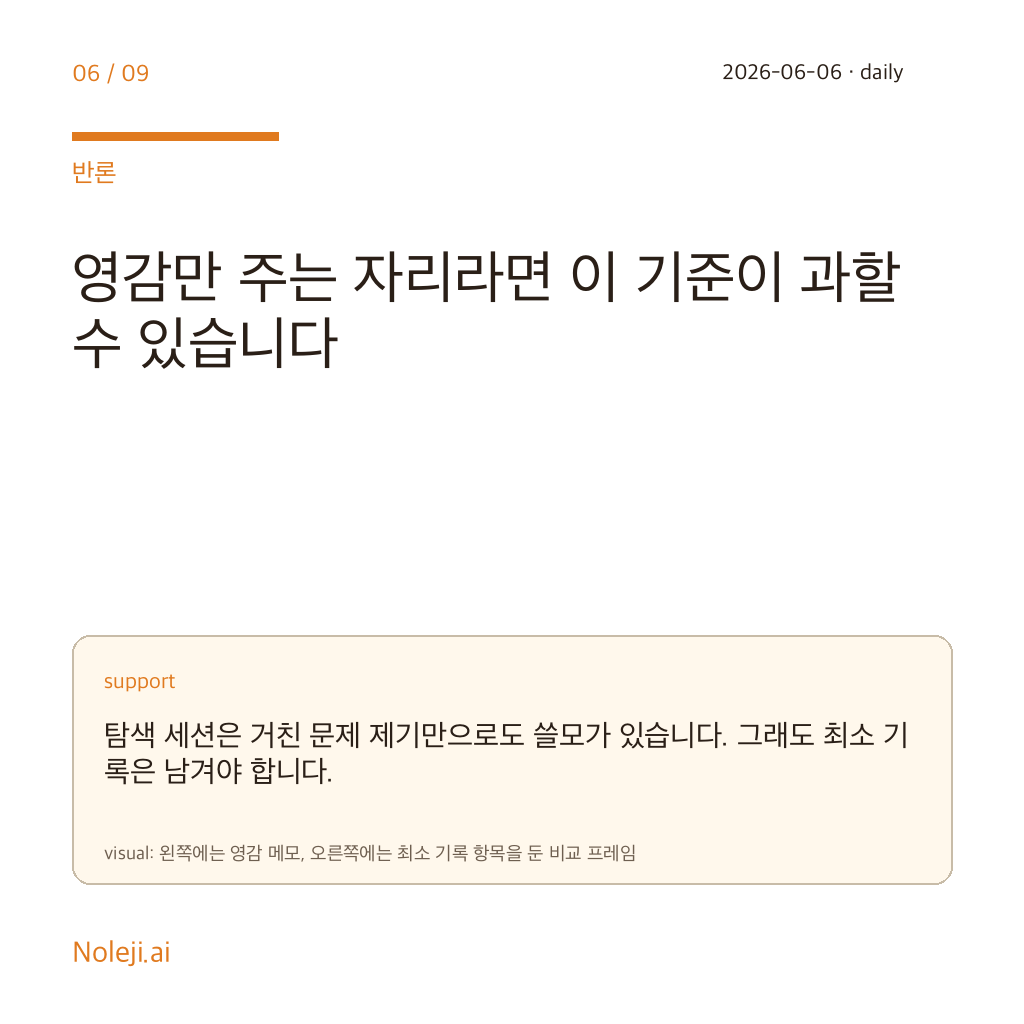
That is a debatable claim, because many people would say the opposite. They would argue that non-technical staff only need the final decision, not the messy middle. I disagree. The messy middle is where you learn what kind of future is actually arriving.
Even with thin evidence here, I think the archive itself matters. I do not have the session deck, the speaker notes, or the list of technologies covered in that March 20 file, so I will not pretend I know what was presented. But the existence of a recorded “technical sharing session” tells me something concrete: someone thought the work was important enough to package and circulate. That is already a management signal.
When I look back on the teams that adapted well to AI and automation, they usually had three habits.
| Habit | What weak teams do | What adaptive teams do |
|---|---|---|
| Sharing timing | Explain after rollout | Share while the tool or workflow is still forming |
| Audience | Speak only to peers | Translate implications for operators, writers, PMs, and support |
| Output | One-off meeting | Notes, examples, and repeatable follow-up actions |
That table may look obvious, but it is rare in real companies. Most organizations still confuse access with understanding. They upload slides, dump a recording link into chat, and assume the job is done. It is not done. Information sitting in a folder is not the same as a person being able to change how they work on Monday morning.
Last week I timed myself during a routine content task. I spent 27 minutes not on writing, but on handoffs: finding context, checking naming conventions, asking whether a generated summary was safe to publish, and fixing output that no longer matched the upstream workflow. None of those problems required a smarter model. They required earlier translation between the people building the system and the people operating inside it.
That is why I take small internal sessions seriously. A developer sharing a tool choice, a failed experiment, or a workflow change can save a non-developer hours later, if the session is translated in time. Not because everyone becomes technical, but because fewer people are forced to work blind.
If you work outside engineering, here is the portable question set I would keep from any technical sharing session:
- What manual step is this trying to remove?
- Who will feel the change first outside the dev team?
- What new failure will appear if this works?
- What part still needs a human judgment call?
- What should I stop doing now so I do not duplicate the system later?
I would go further. If you are a non-developer and you skip every internal technical session, you are not staying focused on your role. You are outsourcing your future working conditions to people who are too busy to translate them for you.
This breaks down when the session is jargon theater
There are real limits here. Some technical sharing sessions are badly designed. I have sat through talks where half the room heard unfamiliar acronyms for 40 minutes and left with nothing usable. In that case, attendance alone does not help.
It also fails when the organization treats “sharing” as image management. If a session hides tradeoffs, avoids failure stories, or refuses practical questions from non-engineers, it becomes corporate theater. A bad talk can waste an hour; a bad internal narrative can waste a quarter.
And I should be careful with the claim itself. One archived filename is not proof of a healthy knowledge culture. It is only a clue. The stronger judgment depends on whether that session led to documentation, changed behavior, or cross-team understanding.
If you are not technical, your job is still to build a translation habit
The practical move is small. Do not try to understand every implementation detail. Build a system for catching implications early.
Here is the version I would use today:
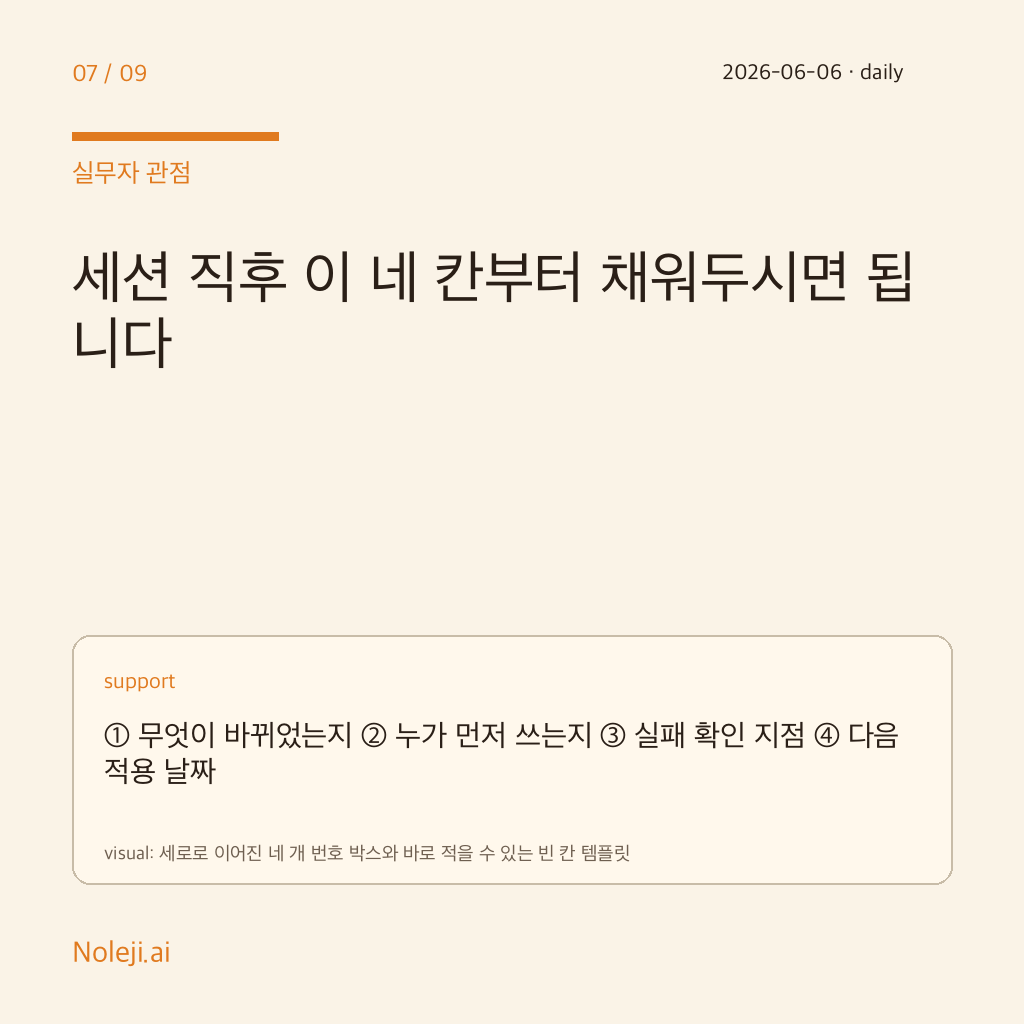
① Join or read one internal technical share per week, even if it feels slightly outside your lane. ② Write a three-line note in plain language: what changed, who it affects, what I should watch. ③ Ask one non-embarrassing question: “What manual step does this replace for the rest of the company?” ④ Save one reusable sentence for your own work.
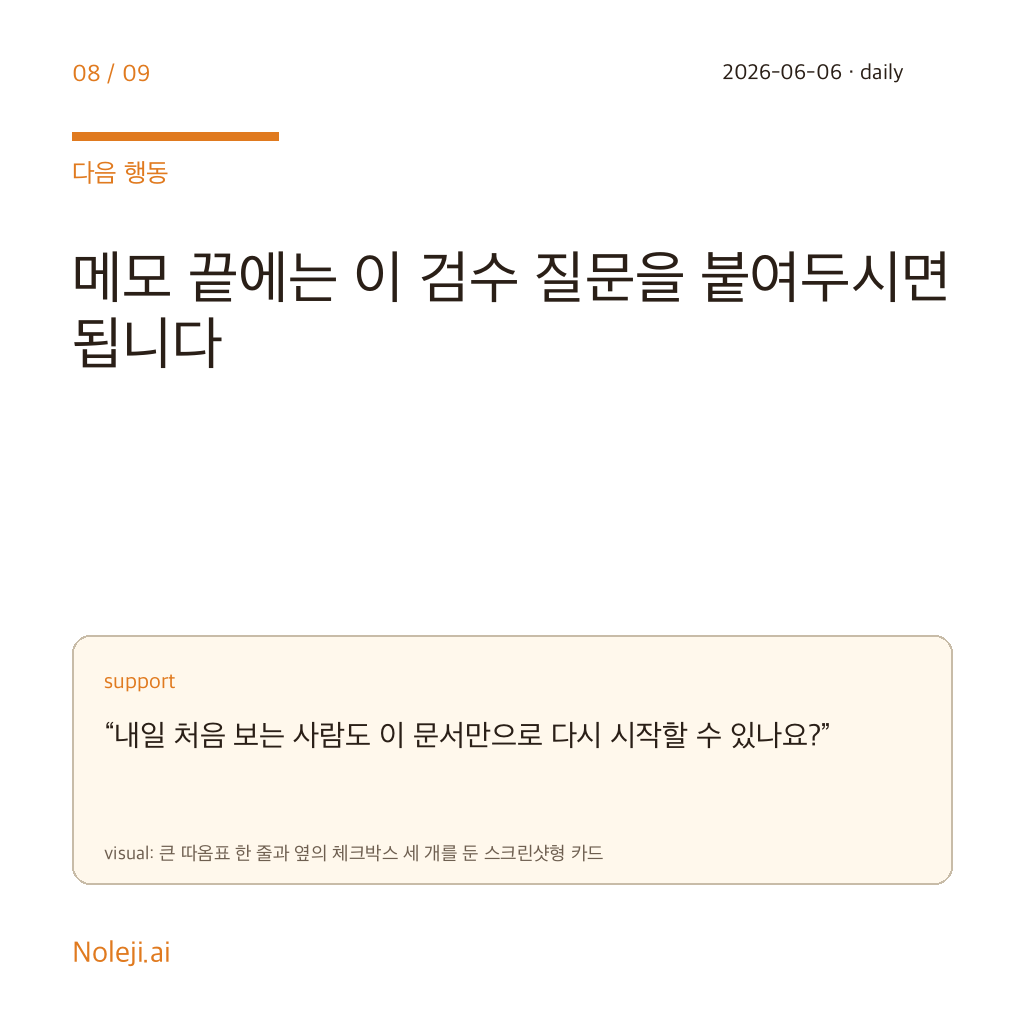
A copy-and-paste line you can keep: > Before I learn the tool itself, tell me which repeated human step this is supposed to remove.
That single question has helped me more than many longer explanations. It turns technical news into work design.
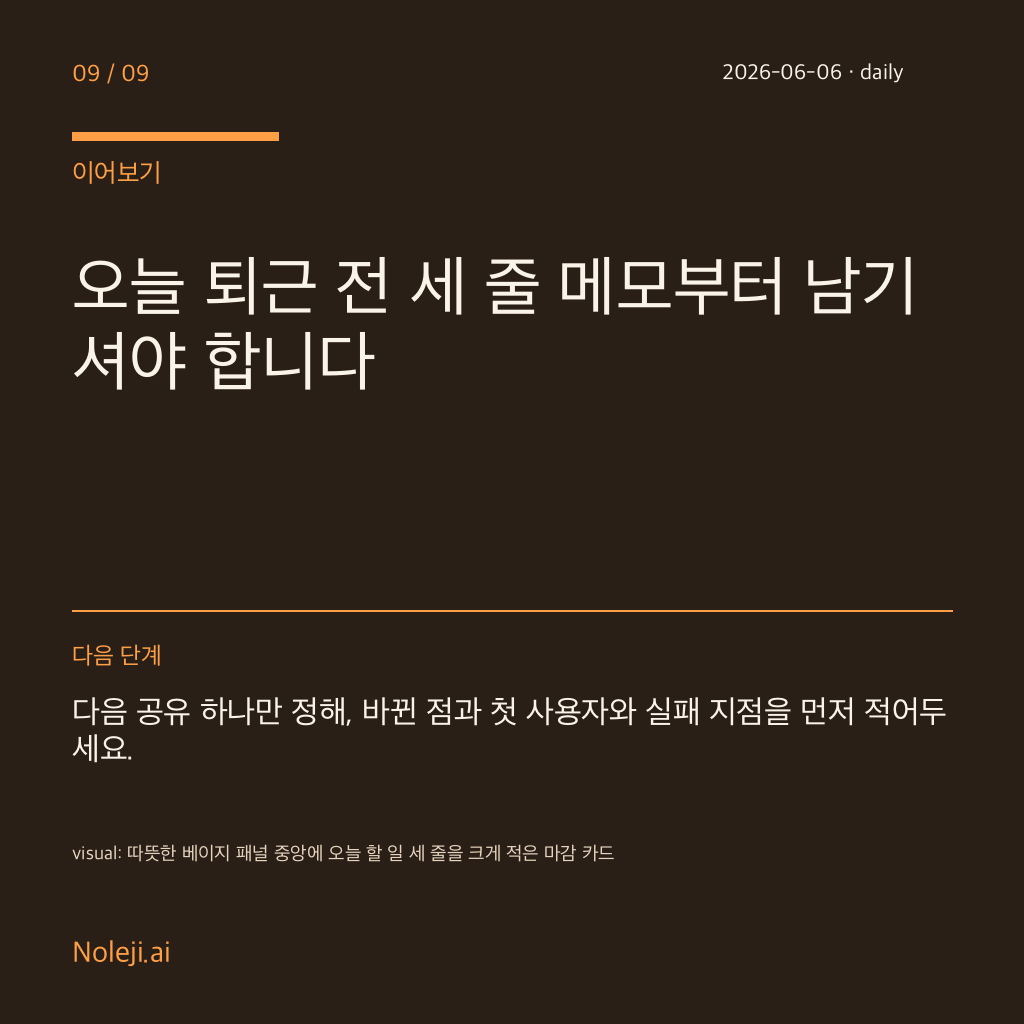
My one next step for you is simple: pick the most recent internal tech update you ignored and rewrite it in plain language for your own role in five lines. Next edition, I will show how I turn a developer-facing update into an operator memo a non-developer team can actually use.
Take-aways
- A plain file name can tell you more about the future of work than a glossy keynote
- I have seen this pattern too many times in ordinary office life
- That delay is expensive
→ 한국어 버전 →