Three minutes before a meeting, the future of AI work looks very ordinary
Three minutes before a meeting, nobody wants a model demo. They want the briefing note, the customer history, the open decision, and the one sentence they can safely say out loud.
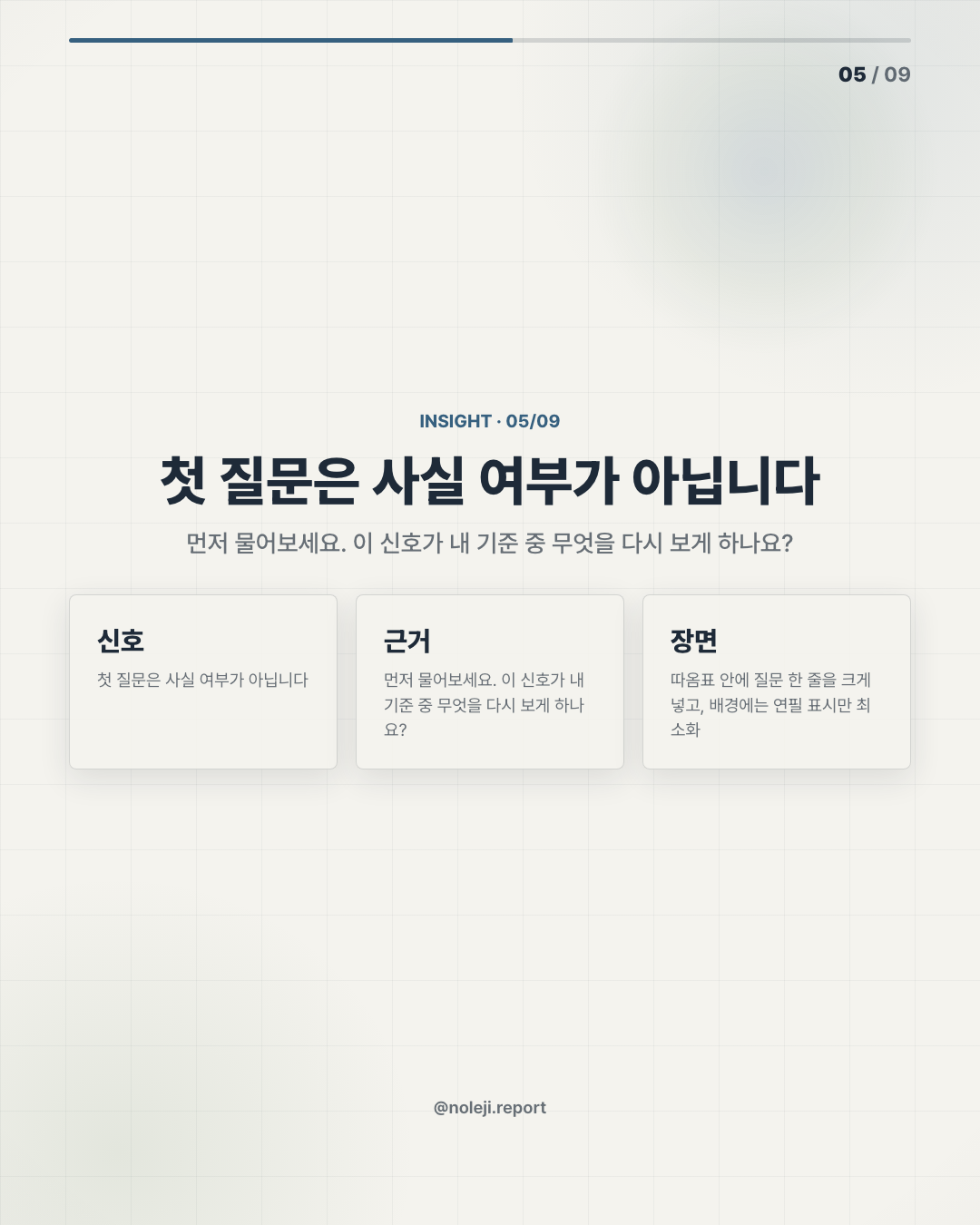
That is why I would not read the @bradwalsh Threads post as a feature claim.
The more useful reading is this: the next advantage in AI work will not come from people who try every new tool first. It will come from people who can turn scattered AI capability into repeatable workflow.
The trap is thinking the winner is the person with the newest tool
Most office workers I meet still look at AI in one of two ways.
Either it is a search box with better manners, or it is a magical assistant that should somehow “just know” what to do. Both views break quickly at work.
A non-developer team does not fail because the model is weak. It fails because the task has no handoff shape. The input is messy, the decision owner is unclear, the output format changes every time, and nobody knows what “done” means.
I learned this the boring way last week while rewriting a client memo. The AI could summarize the material in seconds. But it did not know which paragraph the executive would challenge, which number had to be softened, or which sentence would trigger a legal review. That knowledge lived in the workflow, not in the model.
So my thesis is simple, and I know some people will disagree with it:
The Brad Walsh signal matters only if we treat it as a workflow warning, not as another proof that AI is getting impressive.
The real unit of progress is not the prompt. It is the reusable handoff.
The source evidence here is thin: one Threads post from @bradwalsh, not a product document, benchmark, or full technical release. So I would be careful about making a large claim about what a specific system can or cannot do.
But as an operator signal, it is still useful.
The pattern is familiar. A single public post shows a new way of doing work, and people immediately ask, “Which tool is this?” That is the least interesting question. The better question is, “What job boundary just moved?”
In the last 18 months, I have seen the same mistake around ChatGPT, Claude, Notion AI, Zapier, Perplexity, and internal copilots. Teams buy or test the tool. A few people get faster. Then the speed disappears because nobody changes the surrounding system.
A sales team still copies call notes into a CRM by hand. A marketer still rewrites the same campaign brief from scratch. A manager still asks five people for updates because the source of truth is unclear. A consultant still spends Friday afternoon making a deck that could have been assembled from approved blocks.
The model did not fail there. The workplace did.
Here is the comparison I would keep:
| Bad reading of the signal | Better workflow reading |
|---|---|
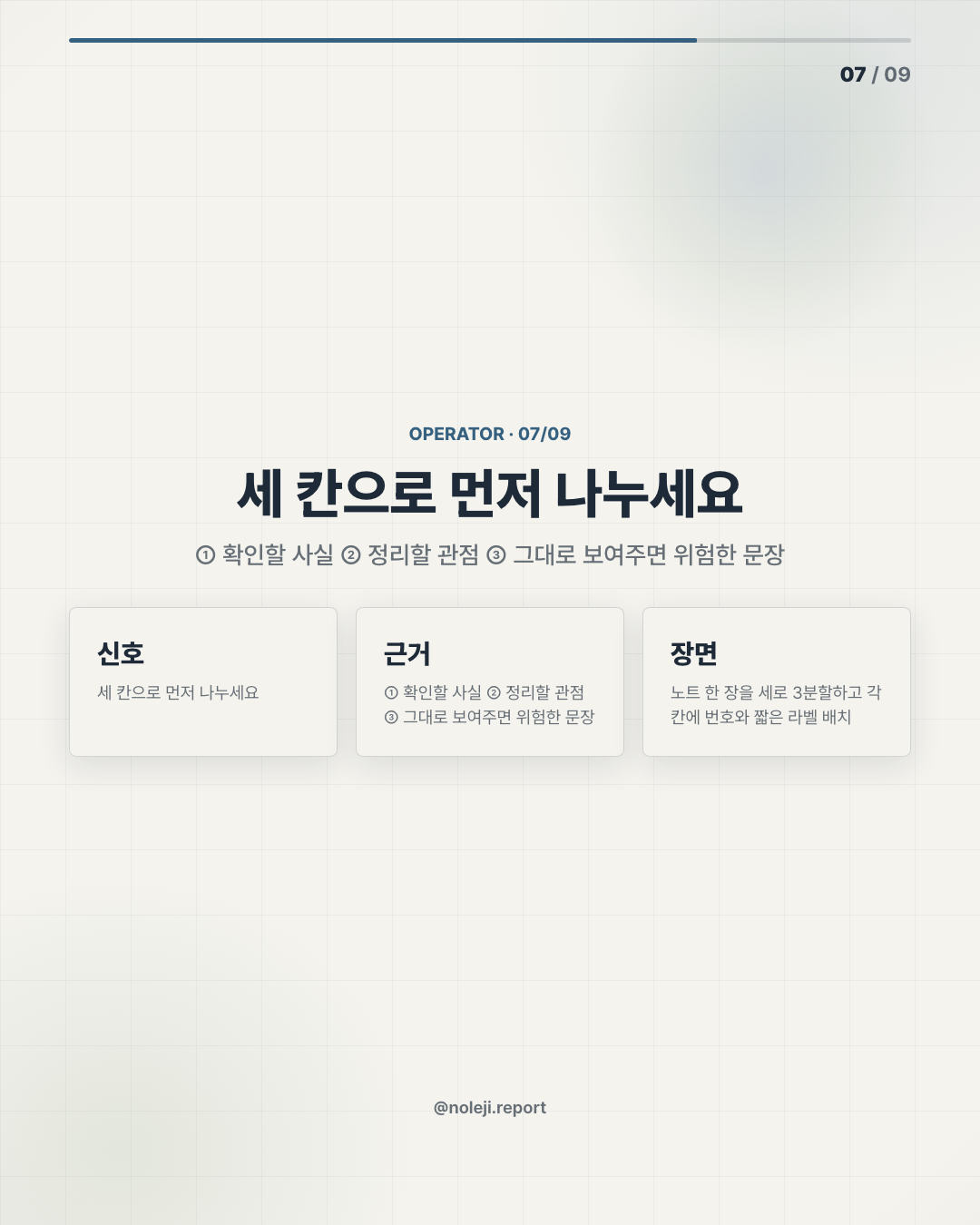
| “A new AI feature is coming.” | “A task boundary may be moving.” |
| “I should test the tool.” | “I should map where this would enter my week.” |
| “The prompt is the asset.” | “The reusable handoff is the asset.” |
| “AI replaces the task.” | “AI changes who prepares, checks, and approves the task.” |
| “I need to learn everything.” | “I need one small system that saves time every week.” |
This is where non-developer workers have more power than they think.
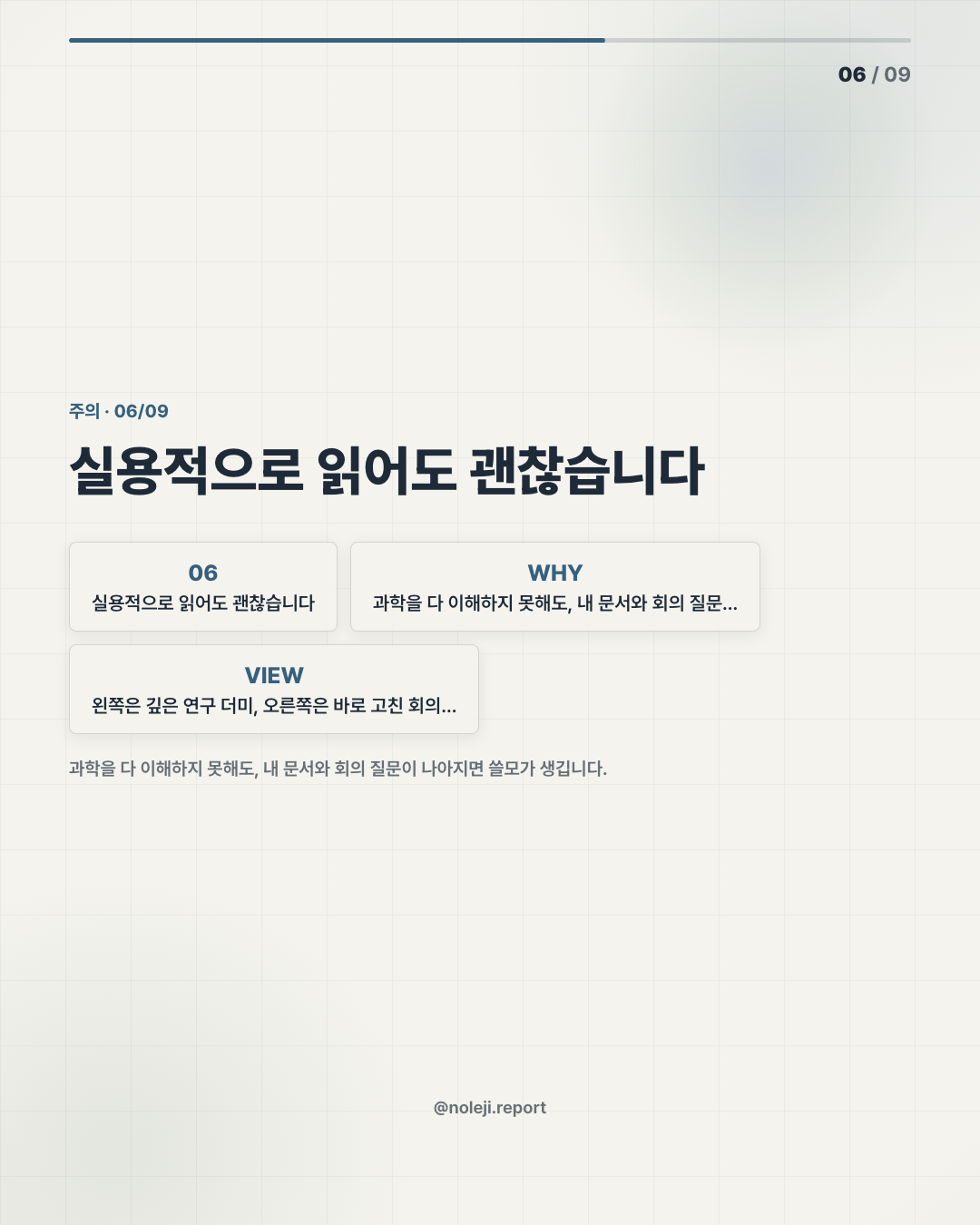
You do not need to build software to build a workflow. You need to notice repeatable pain. Every week has one place where your work leaks time: collecting context, rewriting updates, turning meetings into decisions, checking versions, translating expert language into normal language.
That is the place to start.
Not with “AI strategy.” Not with a giant automation map. Start with one handoff.
For example:
① Pick one recurring task that takes more than 30 minutes every week. ② Write down the exact input you always need before starting. ③ Define the output shape in plain English: memo, table, email, checklist, slide outline. ④ Add the human judgment step: what must you personally check before sending? ⑤ Save the workflow as a template and reuse it next week.
The quiet part is step ④. That is where most AI advice gets lazy.
If you remove human judgment, you create risk. If you keep judgment but remove repetitive preparation, you get time back. That difference matters.
This will not work when the work is political, sensitive, or still undefined
There are cases where this workflow reading does not help much.
If the task is emotionally delicate, legally sensitive, or full of hidden internal politics, automation can make the wrong thing faster. I have seen AI make a draft sound polished while quietly removing the caution that made the original safe.
It also fails when the worker does not understand the task. AI can help a junior employee prepare, but it cannot replace the part where they learn why one detail matters more than another.
The office analogy I use is this: AI is a very fast intern who never gets tired, but it does not know which director gets angry about which metric. Someone still has to teach the room.
So the practical limit is clear. Do not automate judgment you have not earned. Automate the preparation around judgment.
Build one small system before chasing the next signal
Today, I would do one thing with the Brad Walsh signal: find the smallest repeated handoff in your week and turn it into a saved workflow.
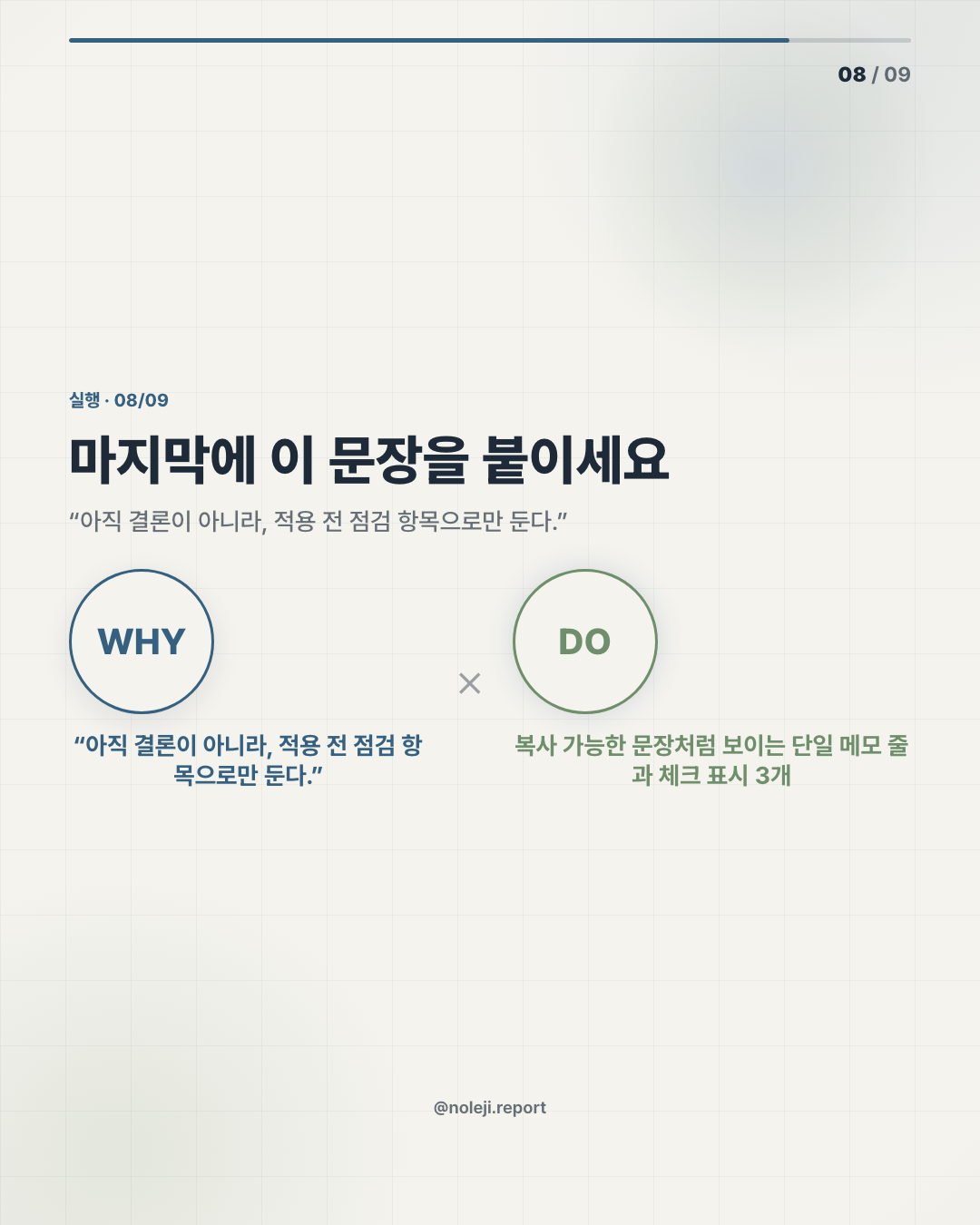
Use this 복붙용 line:
> “When this task appears again, what input, output, approval, and reuse step should already be defined?”
That question is less exciting than a demo. It is also more likely to give you an hour back.
For Noleji.ai readers, the next step is simple: save this checklist and apply it to one recurring task before the next archive note.
Next edition: I’ll look at how to separate “AI can help me think” from “AI can safely act for me,” because confusing those two is where many future-work systems will break.
Take-aways
- Three minutes before a meeting, nobody wants a model demo
- That is why I would not read the @bradwalsh Threads post as a feature claim.
- The more useful reading is this: the next advantage in AI work will not come from people who try every new tool first
→ 한국어 버전 →