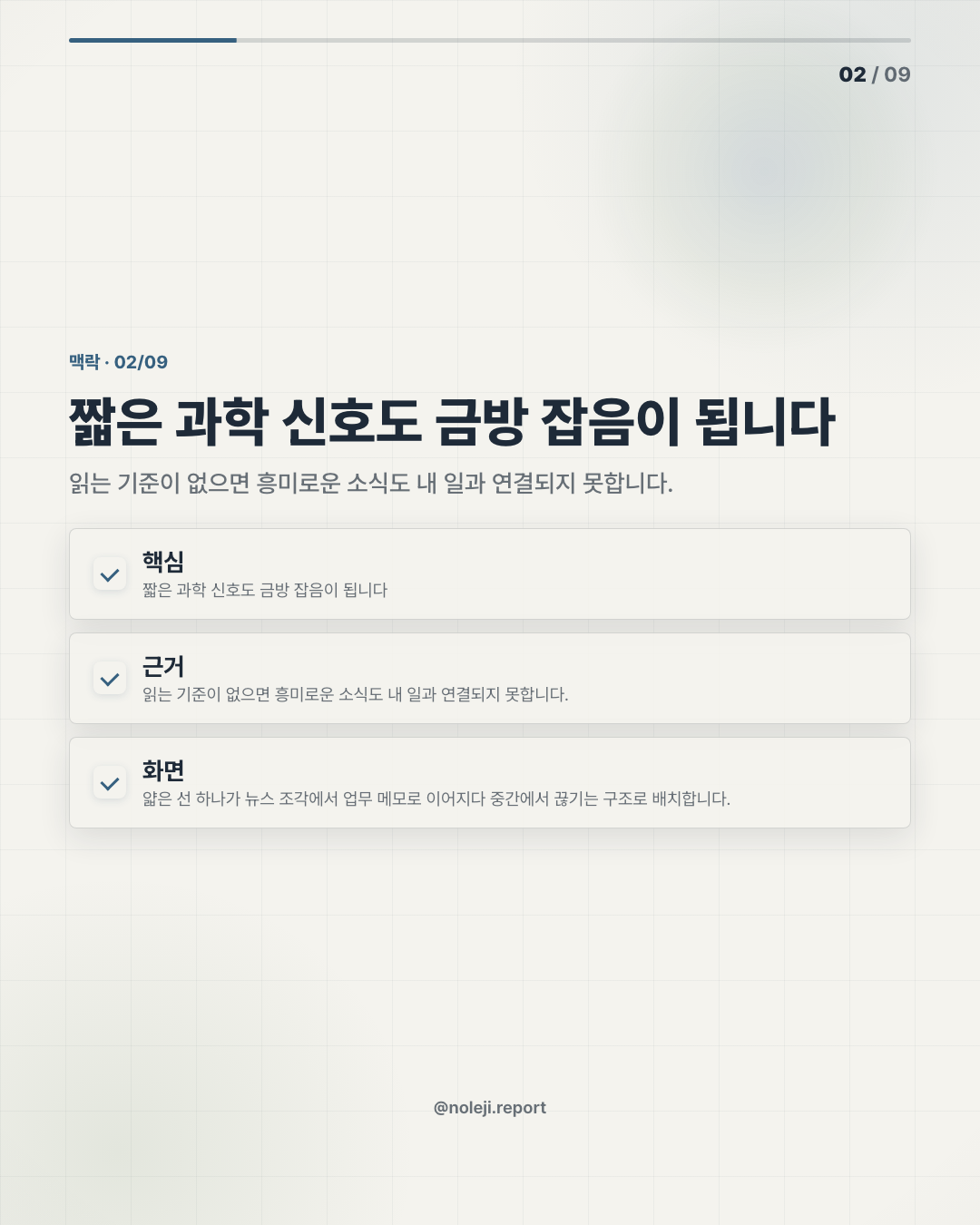
One Thread post can still change the next ten minutes
One source is all we have today: a New Scientist signal on Threads, from `www.threads.com`. That is not enough for a grand claim. It is enough, though, to change how I sort my attention before I open another tab.
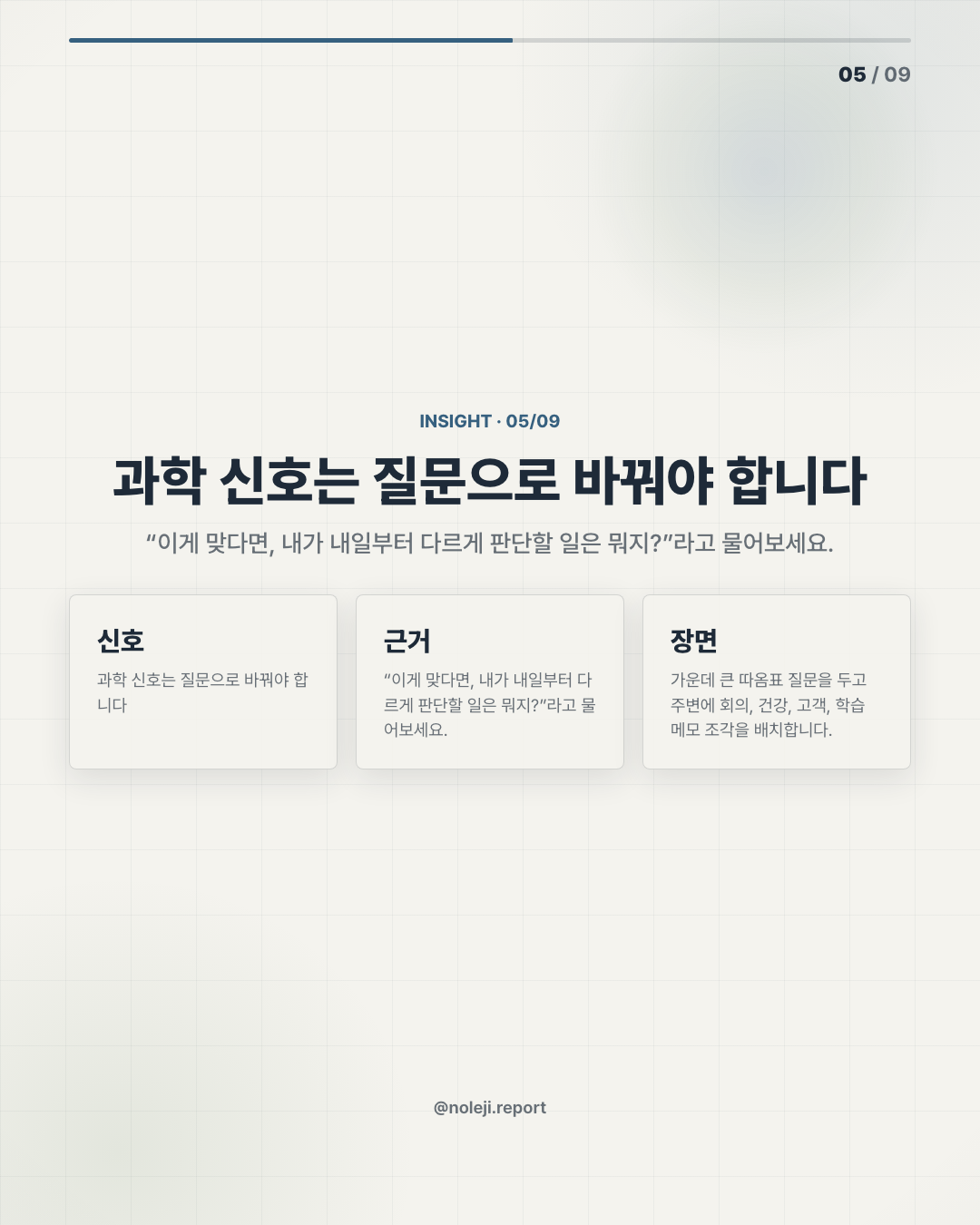
My thesis is simple: early science signals should not be read as “news to believe” first. They should be read as workflow prompts. The useful question is not “Is this the future?” but “What small working habit should I test because this appeared?”
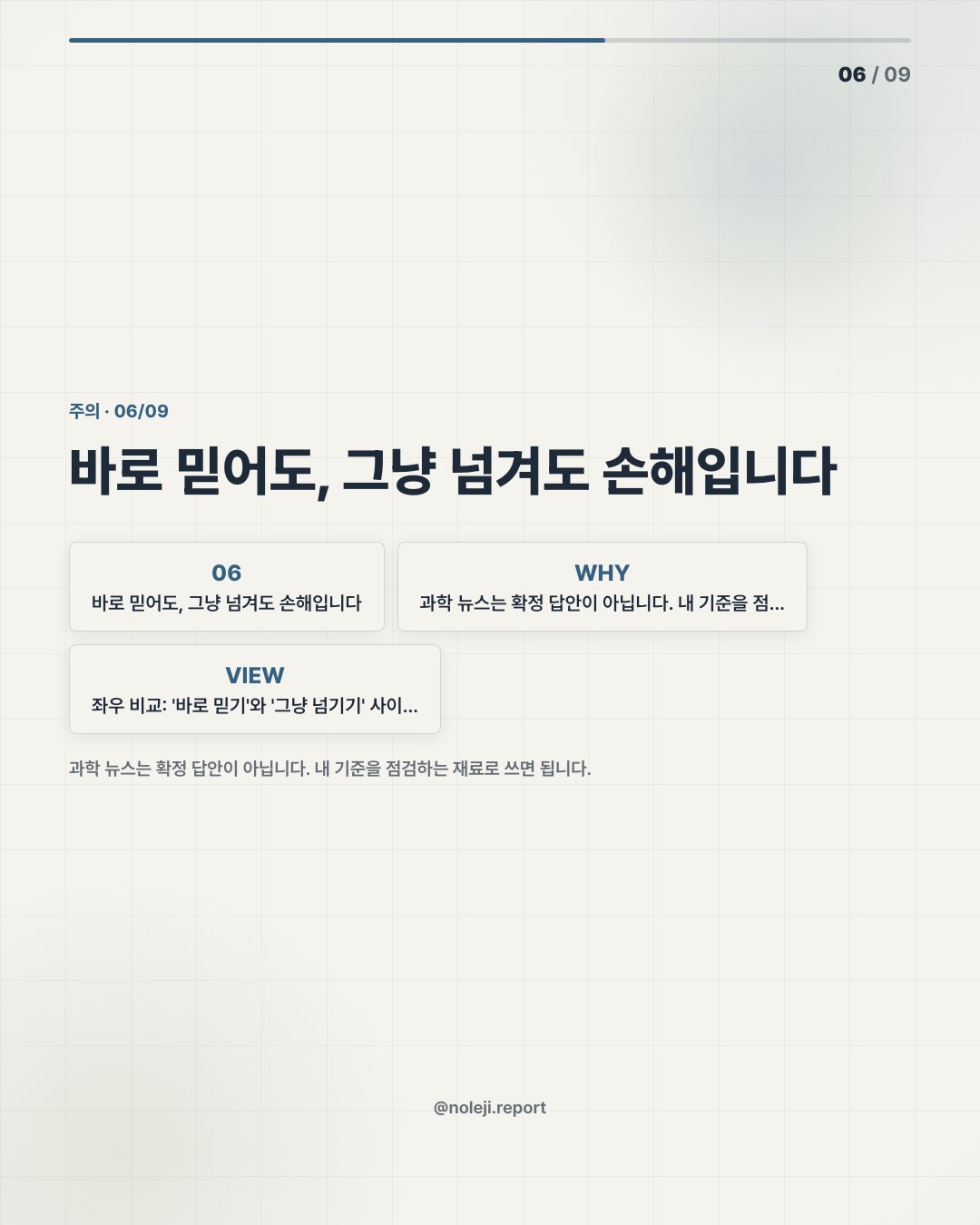
The trap is treating science news like a finished answer
A lot of people read science posts the way they read product updates. Something appears, someone respected posts it, and the mind jumps straight to adoption: Should I use this? Should my company care? Is this the next thing?
That habit breaks down with science. A Threads post from New Scientist is a doorway, not the room. It may point to a study, a lab result, an emerging debate, or simply a public-facing summary of something still thin. If I treat that as a settled answer, I am doing the office equivalent of forwarding a meeting note before checking who was actually in the room.
I have made this mistake. A few years ago, I saved a short science write-up about attention and productivity, then repeated the idea in a team conversation as if the finding were broadly settled. Later I found the study context was narrower than the article made it feel. The lesson stayed with me: science signals can be useful before they are conclusive, but only if I give them the right job.
The better move is a three-bin workflow
Here is the operator reading I would use for this New Scientist signal: put it into a three-bin workflow before forming an opinion.
| Bin | What I ask | What I do next |
|---|---|---|
| Signal | What changed enough that New Scientist surfaced it? | Save the topic, source, and date |
| Friction | Where would this collide with real work or daily life? | Write one practical question |
| Test | What can I try without pretending the science is settled? | Run a small check, not a full strategy shift |
This matters because most non-developer workers do not need to “keep up with science” in the abstract. They need a way to turn weak signals into better decisions without being pulled around by every new post.
For example, if the signal is about health, learning, AI behavior, climate, biology, or materials, I would not ask, “Do I believe this?” first. I would ask:
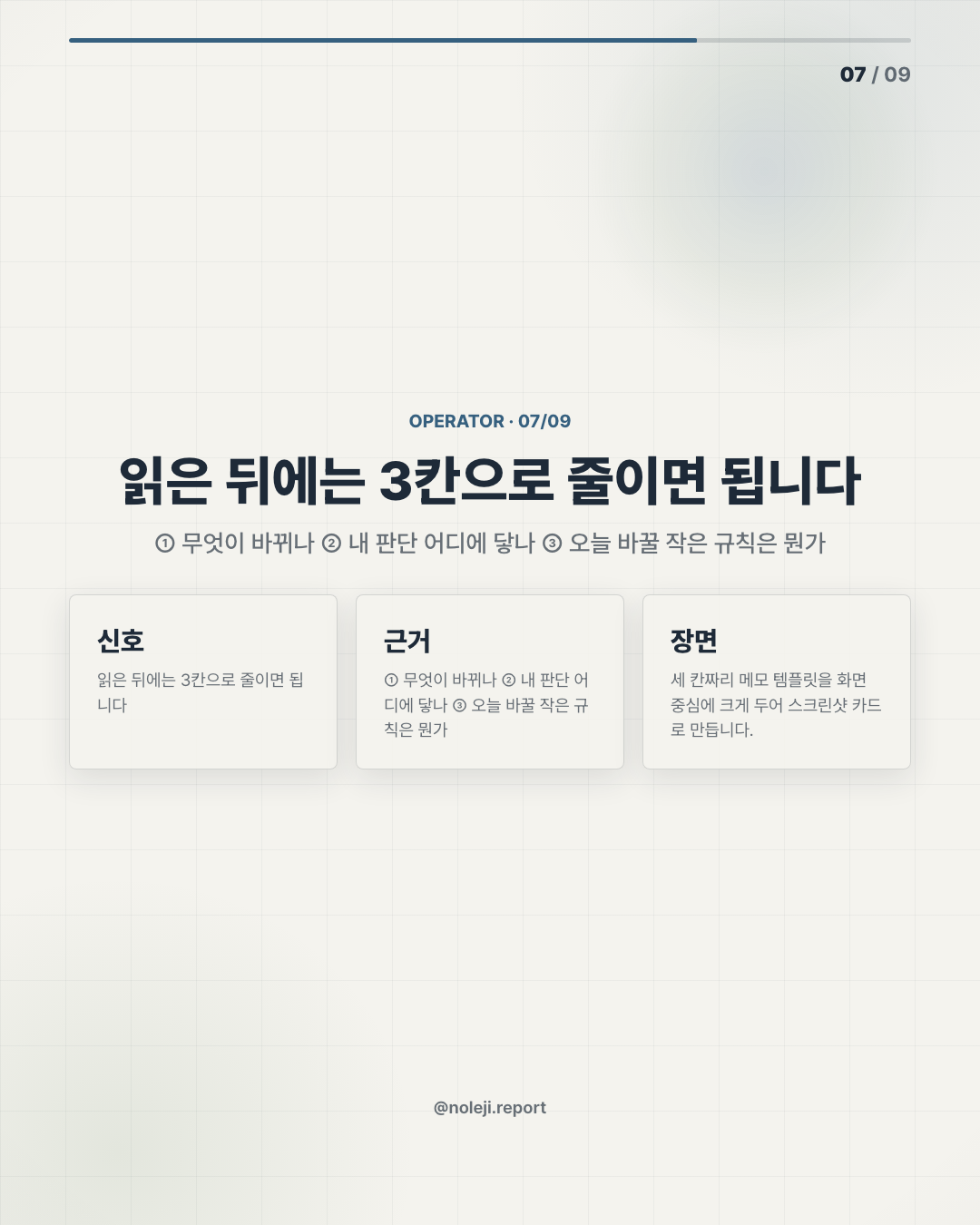
① What routine could this affect if it holds up? ② What would be risky to change too early? ③ What second source would I need before acting? ④ What tiny observation can I make this week?
That last question is the difference between curiosity and workflow. If a science item touches sleep, I might track my own bedtime consistency for seven days before changing supplements or devices. If it touches AI and cognition, I might compare one writing task done with AI help and one without. If it touches workplace automation, I might map one repetitive task and ask whether the tool changes the handoff, not whether it replaces the worker.
This is a modest method, but it protects time. It keeps me from becoming either the person who believes everything early or the person who ignores everything until it is too late.
Thin evidence is not a flaw if we label it correctly
The evidence here is thin: the manifest gives one source, a New Scientist post on Threads. I do not have the underlying article text, study details, author names, sample size, methodology, or counterarguments inside this brief. So I should not pretend to know more than the source package gives me.
That limit changes the article’s job. I am not ranking the scientific claim. I am showing how I would handle the signal.
There are cases where this workflow does not go far enough. If the topic affects medical choices, hiring policy, safety decisions, financial exposure, or children’s education, a three-bin note is only a starting point. You would need primary sources, expert review, and a much higher standard before changing behavior.
Still, I would rather have a disciplined small workflow than a big vague opinion. In daily work, that difference matters.
Save the signal, then ask one harder question
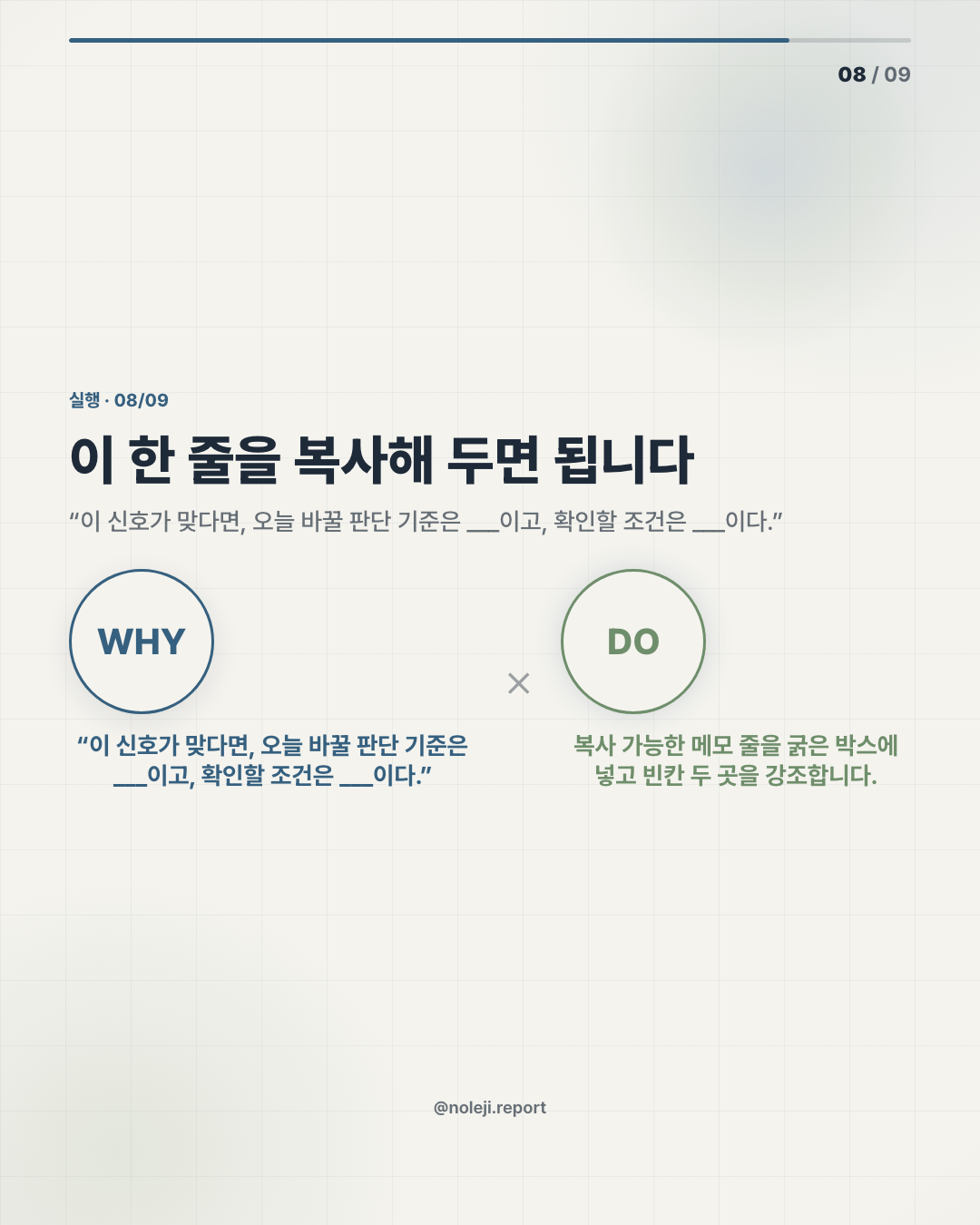
Here is the line I would keep:
> “Do not ask whether this signal is true enough to believe yet; ask what small question it earns the right to change.”
For today, the next step is simple: save the New Scientist signal with the date, write one practical question it raises for your own work, and do not upgrade it into a conclusion until a second source supports it.
Next edition: I will turn this same method into a reusable “science-to-work” note format for non-technical teams who want to track AI and science signals without drowning in them.
Take-aways
- One source is all we have today: a New Scientist signal on Threads, from `www.threads.com`
- My thesis is simple: early science signals should not be read as “news to believe” first
- A lot of people read science posts the way they read product updates
→ 한국어 버전 →