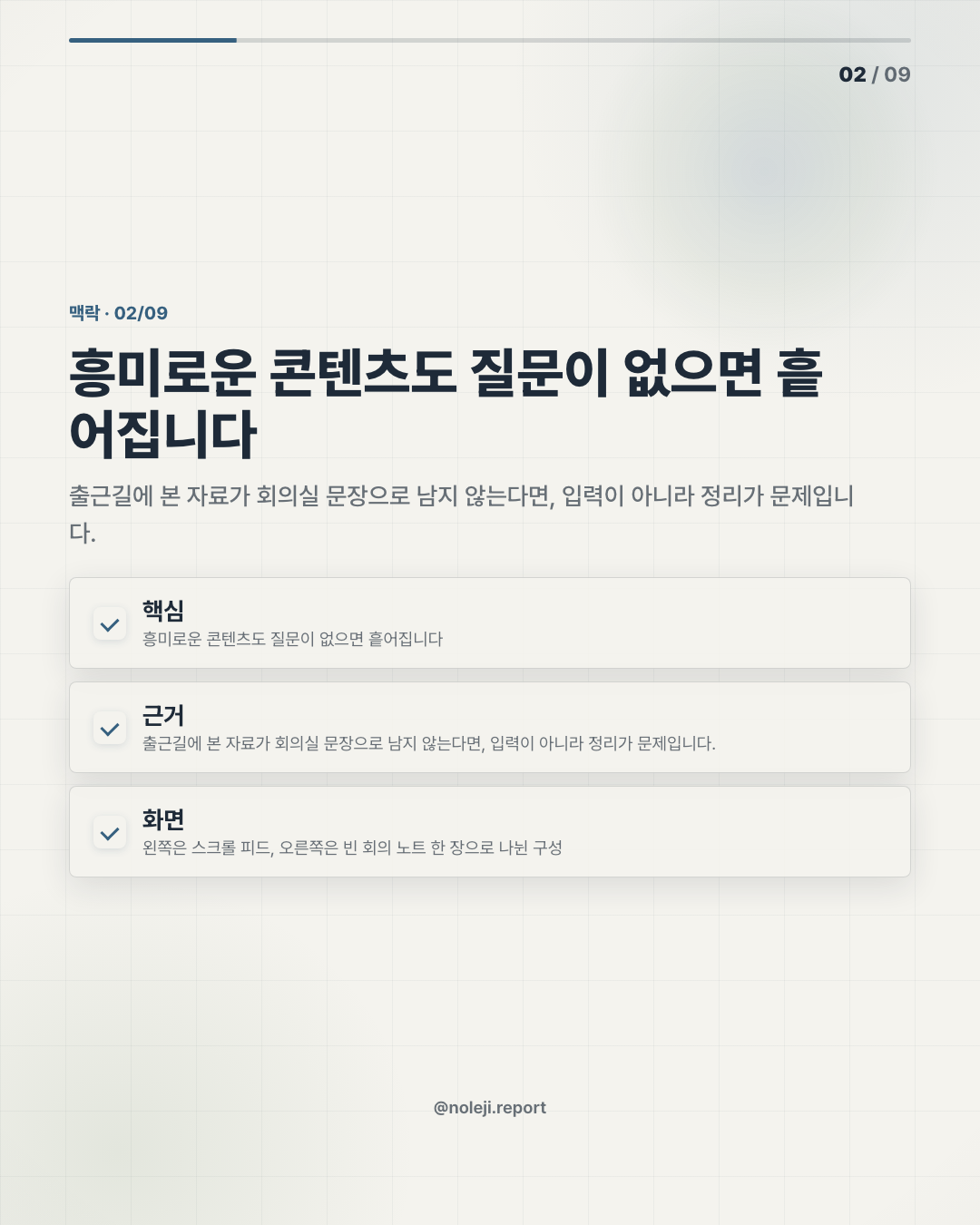
One source is not enough to become a science brief
1 source, 1 platform, 0 supporting links in the manifest. That is where today’s science brief starts: a Threads post from @museumofscience. In a feed, that can feel like enough because the account sounds credible and the topic sits under science.
I would not treat it as enough.
My argument is simple, and some people will find it too slow: a science thread should be saved only after it leaves a trail you can check. Until then, it is not knowledge. It is a work card.
The feed rewards saving; science rewards checking
Most people handle science posts the way busy office workers handle a message from a senior colleague. If the sender looks reliable, they forward it. If the wording sounds educational, they save it. If the account has institutional weight, they stop asking where the claim came from.
That habit is understandable. It is also where mistakes enter.
A social post compresses too much: claim, image, context, timing, and authority all arrive in one small box. The brain reads that box as a finished explanation. Science rarely works that way. Science wants the annoying parts: method, sample, measurement, date, uncertainty, and whether the original claim has been simplified for public reading.
I use Threads for discovery, not for closure. That distinction saves time later.
A useful thread has to survive three small tests
Today’s manifest gives us one source: a Threads URL from @museumofscience on www.threads.com. It does not give the post text, a linked paper, a named researcher, a dataset, a museum page, or a DOI. That does not make the post bad. It only limits what we can responsibly say from this archive record.
This is the point many people miss. The question is not “Do I trust the Museum of Science?” The better question is: “What exactly am I being asked to believe, and what would let me check it in five minutes?”
Here is the small table I would keep before turning any science thread into a briefing, slide, or workplace note:
| Check | What I need before treating it as reliable | What today’s manifest gives |
|---|---|---|
| Claim | A clear sentence that says what changed or what was observed | Not included in the manifest |
| Source trail | Original article, paper, institution page, dataset, or named expert | One Threads post from @museumofscience |
| Time context | Whether this is new, seasonal, recycled, or evergreen education | Archive date: 2026-06-30 |
| Practical meaning | What a non-specialist should do differently after reading | Not yet supported |
| Risk note | What might be simplified, missing, or easy to misread | Needs verification |
I have made the opposite mistake before. I saved a well-written science explainer because it felt immediately useful, then later realized I could not tell whether it was describing a new finding, a classroom-friendly simplification, or an old result being resurfaced. The post was not the problem. My filing system was.
For non-developer workers, this matters more than it sounds. We now use AI tools to summarize, repost, brief teams, prepare decks, and draft newsletters. If the input is just “a credible thread I saw,” the output may look polished while carrying a weak source trail underneath. Automation makes that mistake faster, cleaner, and harder to notice.
So my rule is strict: if a science thread cannot answer “what changed?” and “where can I verify it?”, I do not promote it to analysis. I park it as a check item.
This method is slower, and sometimes that is the right trade
There are cases where this bar is too high. A museum thread may simply announce an exhibit, share a photograph, explain a basic concept, or point families toward an event. Not every science post needs a research-grade source chain.
That is why I separate three uses:
- Discovery: worth saving from the feed.
- Explanation: worth summarizing after the claim is clear.
- Evidence: worth citing only after the source trail is visible.
Today’s item sits in the first bucket based on the manifest alone. I would rather say that plainly than fill the gap with confident language. A short archive note with honest limits is more useful than a long article pretending the evidence is already there.
Turn the thread into a small system before you share it
Before forwarding today’s science thread to a team chat, newsletter, classroom note, or AI prompt, use this four-step check:
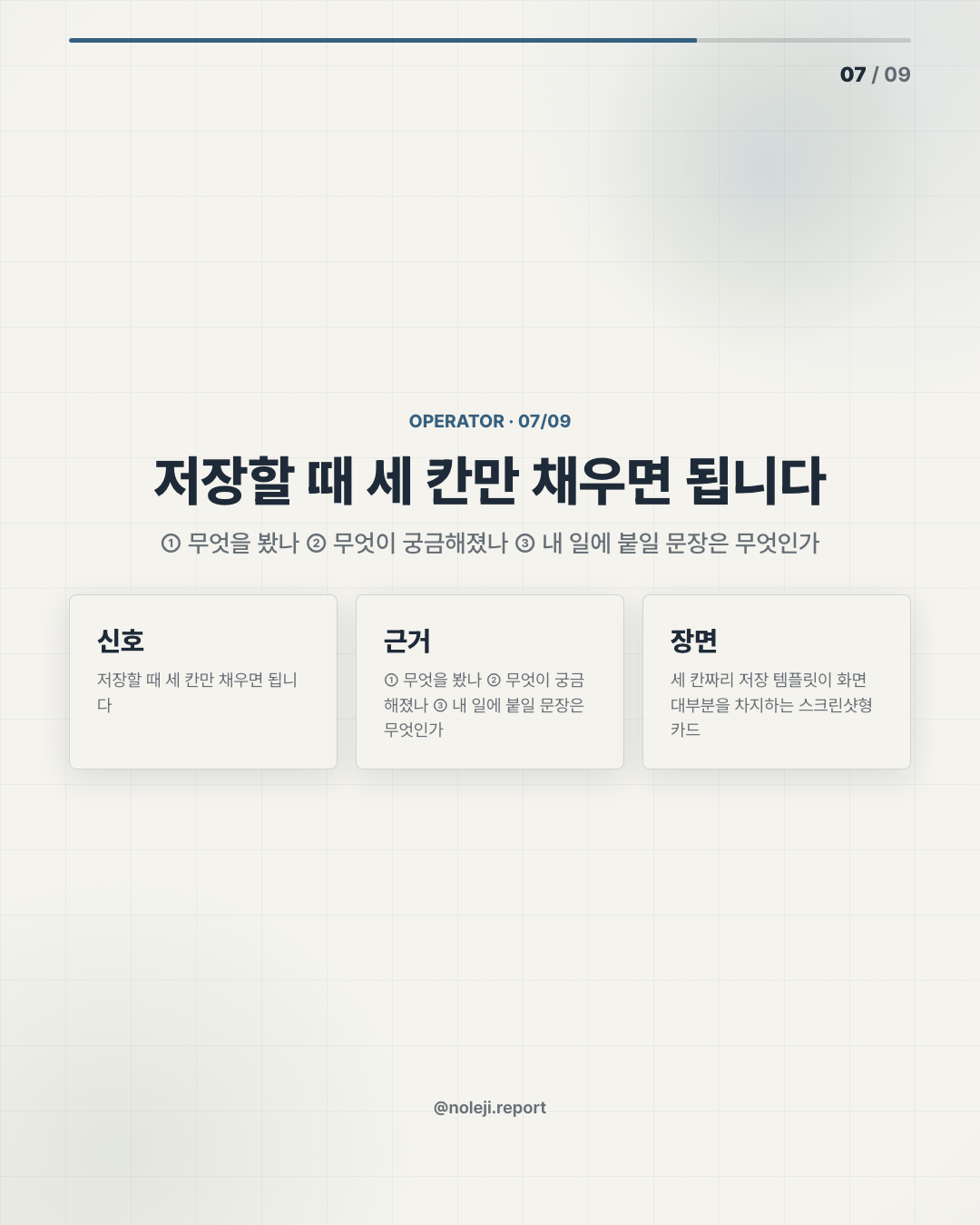
① Write the claim in one sentence. ② Identify the original source behind the post. ③ Mark whether it is new information or public education. ④ Add one caveat before summarizing it for others.
복붙용 line:
> “This looks worth checking, but I’m treating it as a discovery item until I can confirm the original source and the exact claim.”
Primary next step: save this check and use it before turning the @museumofscience Threads post into a summary or recommendation.
Next brief: I’ll look at how to decide when a science post deserves a full archive entry, and when it should stay as a lightweight watch item.
Take-aways
- 1 source, 1 platform, 0 supporting links in the manifest
- I would not treat it as enough.
- My argument is simple, and some people will find it too slow: a science thread should be saved only after it leaves a trail you can check
→ 한국어 버전 →