At 9:12, the useful part was the hesitation
At 9:12 this morning, the most useful AI research result in my workspace was a three-line uncertainty note, not a polished summary.
That sounds small. But for office work, it matters. Autoresearch tools are starting to look like junior analysts who can read, collect, compare, and draft while we are doing something else.
My thesis is simple: autoresearch should not be treated as a machine that “finds the answer.” Its real value, at least today, is that it can build a traceable research trail faster than we can, so our own judgment starts from evidence instead of memory.
The trap is asking for a conclusion too early
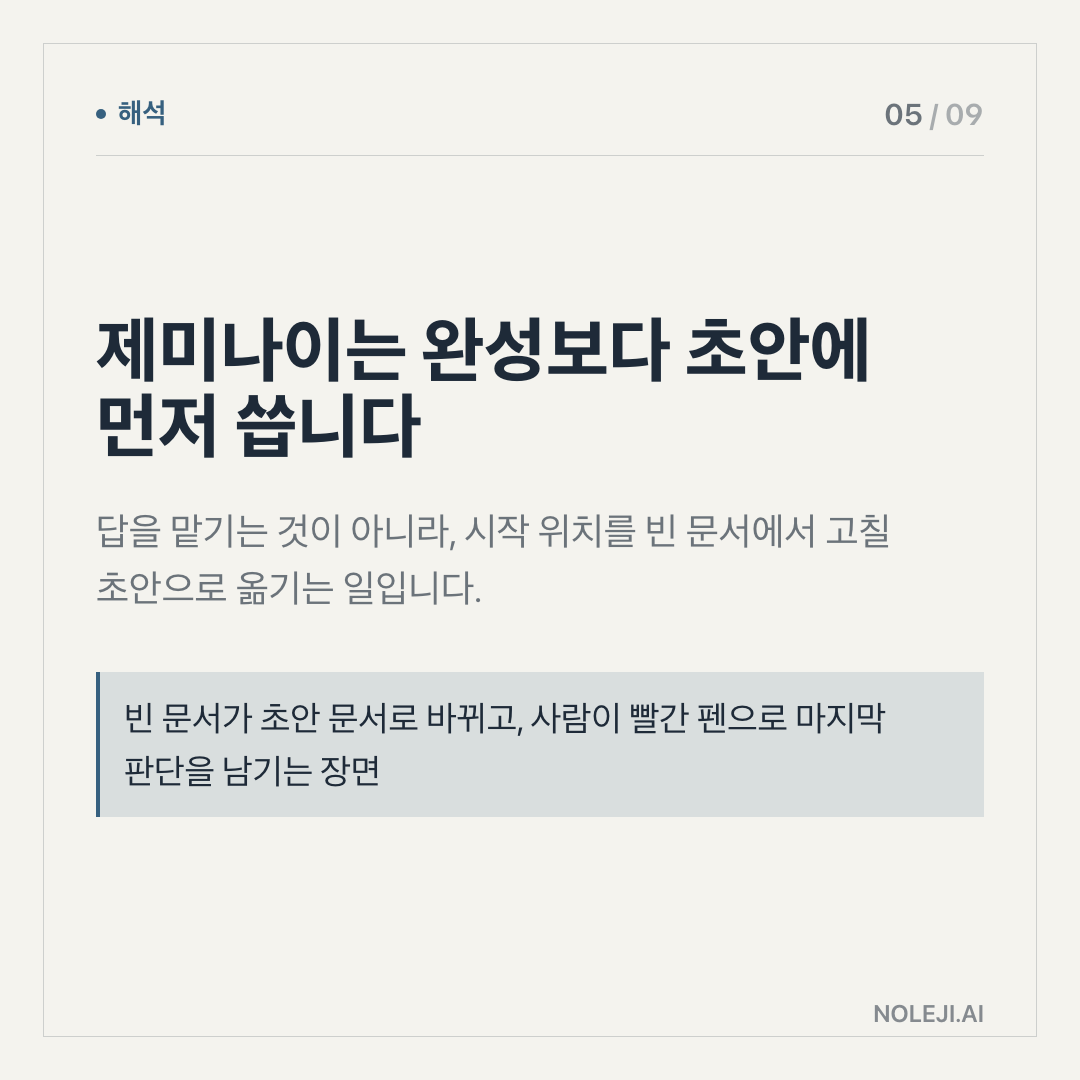
Most people will use autoresearch the way they use search: ask a question, wait for a neat answer, paste the answer into a deck or email.
I think that is the wrong habit.
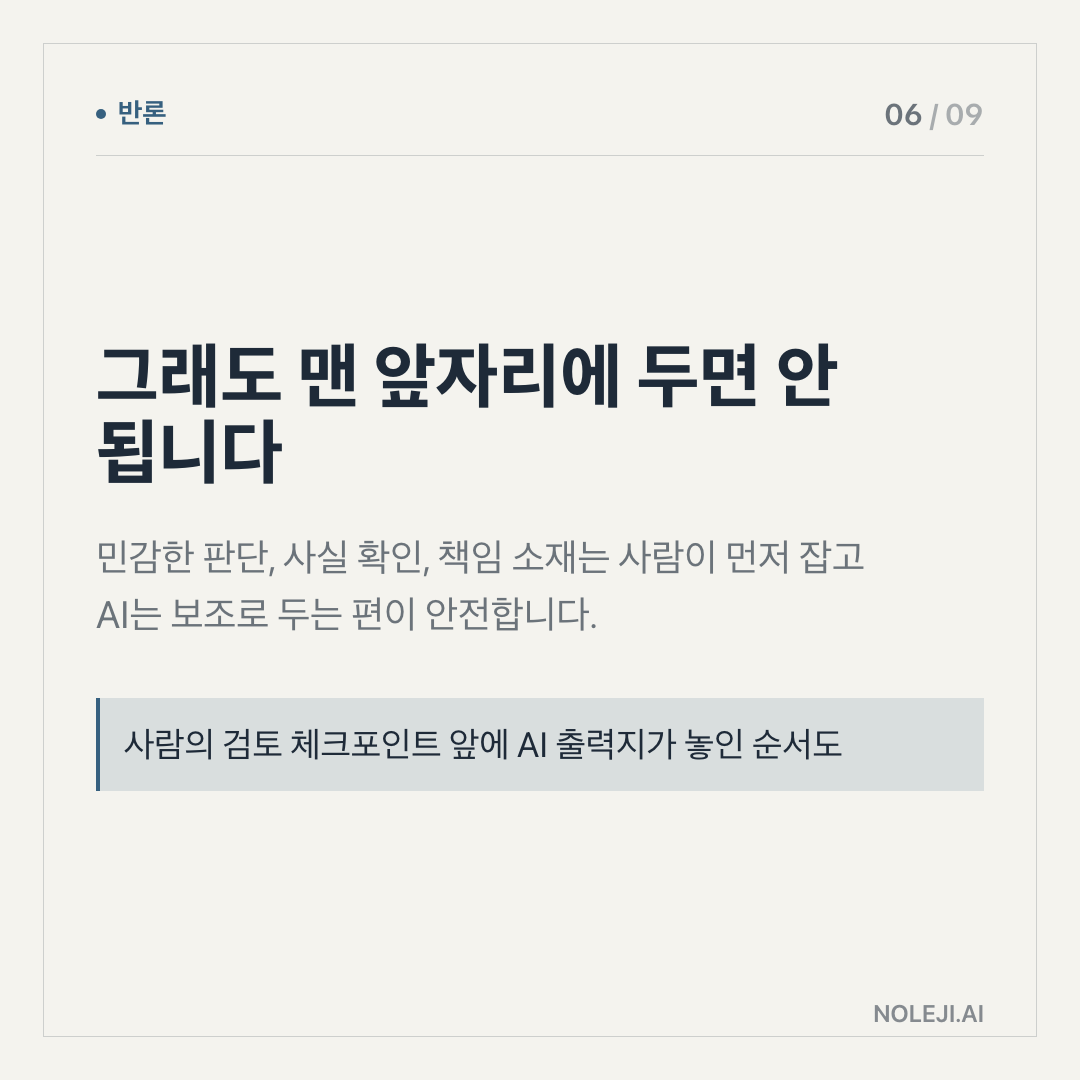
A search result is already dangerous enough when we skim it too quickly. An autoresearch output adds another layer of risk because it sounds more organized. The sentences are smoother. The structure feels convincing. That polish can hide a weak source base.
The single source available for today’s brief is a Hada News signal: `news.hada.io/topic?id=27789`. That tells me there is something worth checking around “autoresearch,” but it does not give enough evidence, by itself, to make a strong claim about the product, the method, or the market.
So the first lesson is uncomfortable but useful: if the source is thin, the output should stay thin too.
I would trust the research log before I trust the paragraph
Last week, I tested a small autoresearch workflow on a work question that looked simple: “Which AI writing tools are safest to recommend to non-technical teams?”
The first answer was clean. Too clean. It grouped tools into categories, mentioned privacy, pricing, and collaboration, and ended with a confident recommendation. If I had been in a hurry, I could have used it.
Then I asked for the trail.
That changed the work. Some claims were based on current product pages. Some came from old reviews. Some were interpretations. One comparison point had no visible support at all. The final recommendation was not useless, but it was weaker than the paragraph made it feel.
That is where autoresearch becomes practical. It helps when it separates four things that office workers usually blend together:
| Research item | What it means | What I would do with it |
|---|---|---|
| Fact | The source directly says it | Use it, with source context |
| Interpretation | The tool inferred it from evidence | Keep it, but soften the wording |
| Gap | The tool could not verify it | Ask a follow-up or remove it |
| Decision | A human chooses based on constraints | Own it yourself |
This is the difference between “AI did my research” and “AI prepared my research desk.”
For non-developers, I would compare it to onboarding a new assistant. You would not ask a new assistant to decide the company’s vendor strategy on day one. You would ask them to gather options, show where the information came from, flag what they could not confirm, and leave you with a clean decision surface.
Autoresearch should be judged by that standard.
The practical check for today is not whether autoresearch can produce a beautiful answer. It already can. The check is whether it can show where the answer came from, where it is guessing, and what still needs a human call.
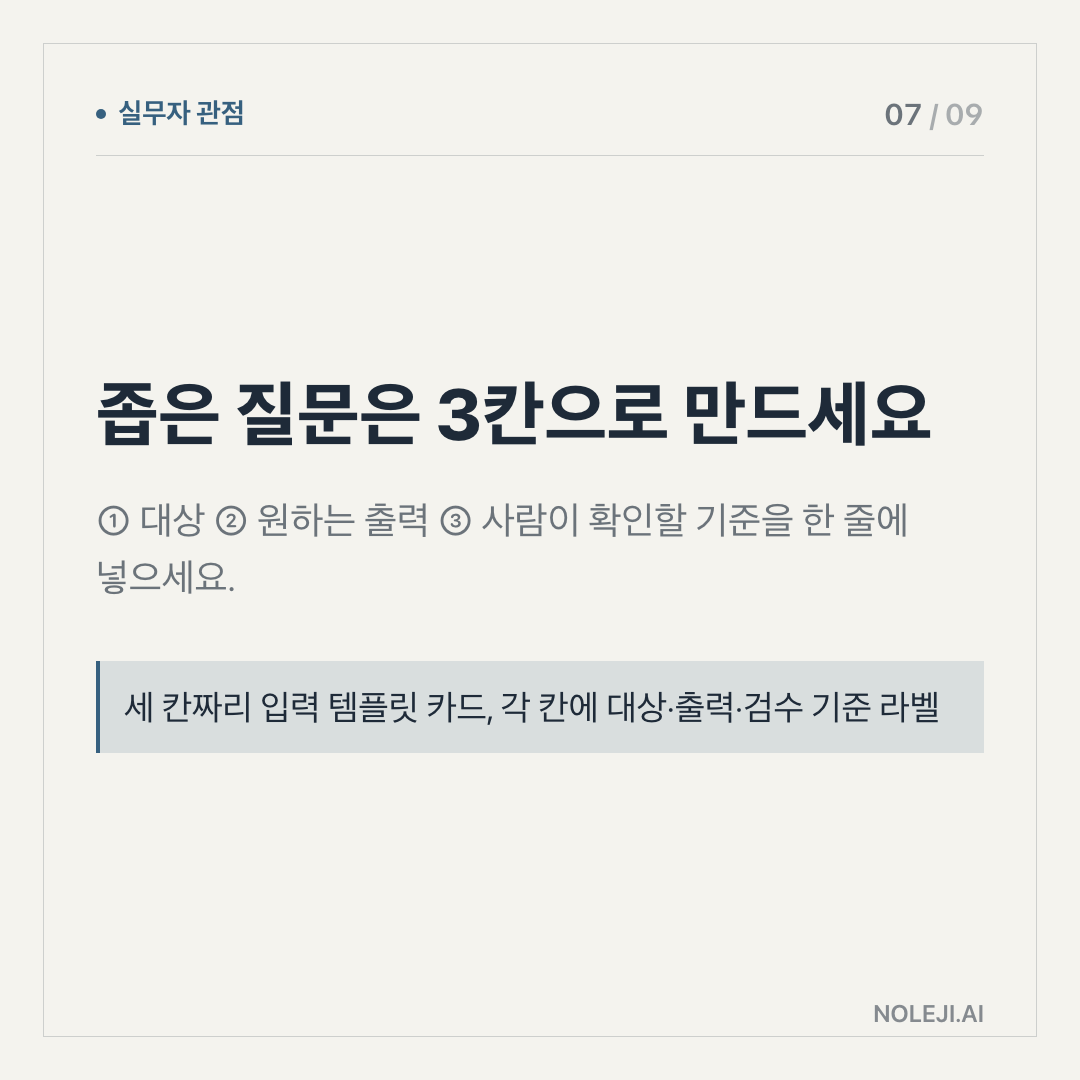
Here is the small checklist I would keep:
① Ask it to list sources before writing the final answer. ② Mark each claim as fact, interpretation, or unverified. ③ Force it to include one “what would change my mind” note. ④ Remove any recommendation that depends on a source it cannot show. ⑤ Rewrite the final output in your own decision language before sharing it.
That last step matters. I have seen AI outputs fail because they were wrong, but I have seen more fail because nobody translated them into the actual workplace decision: budget, timing, risk, responsibility, or who has to maintain the thing after the meeting ends.
This breaks when the question needs lived context
There are limits.
Autoresearch works better when the question has visible sources. Product docs, public announcements, changelogs, pricing pages, technical posts, benchmark notes: these are good inputs. It struggles when the important knowledge lives in private conversations, team politics, customer nuance, or the quiet reason a project failed last quarter.
I would not use autoresearch alone to decide whether a team is ready for an AI workflow. A tool can collect examples. It cannot know that your legal team blocks every new SaaS review for six weeks, or that your sales team ignores anything that adds one extra field to the CRM.
That is why I am taking a cautious position here. Autoresearch is valuable, but only if we stop pretending research ends when the summary appears.
Today’s move: build a source-first habit
Today, I would not ask, “What does autoresearch say?”
I would ask:
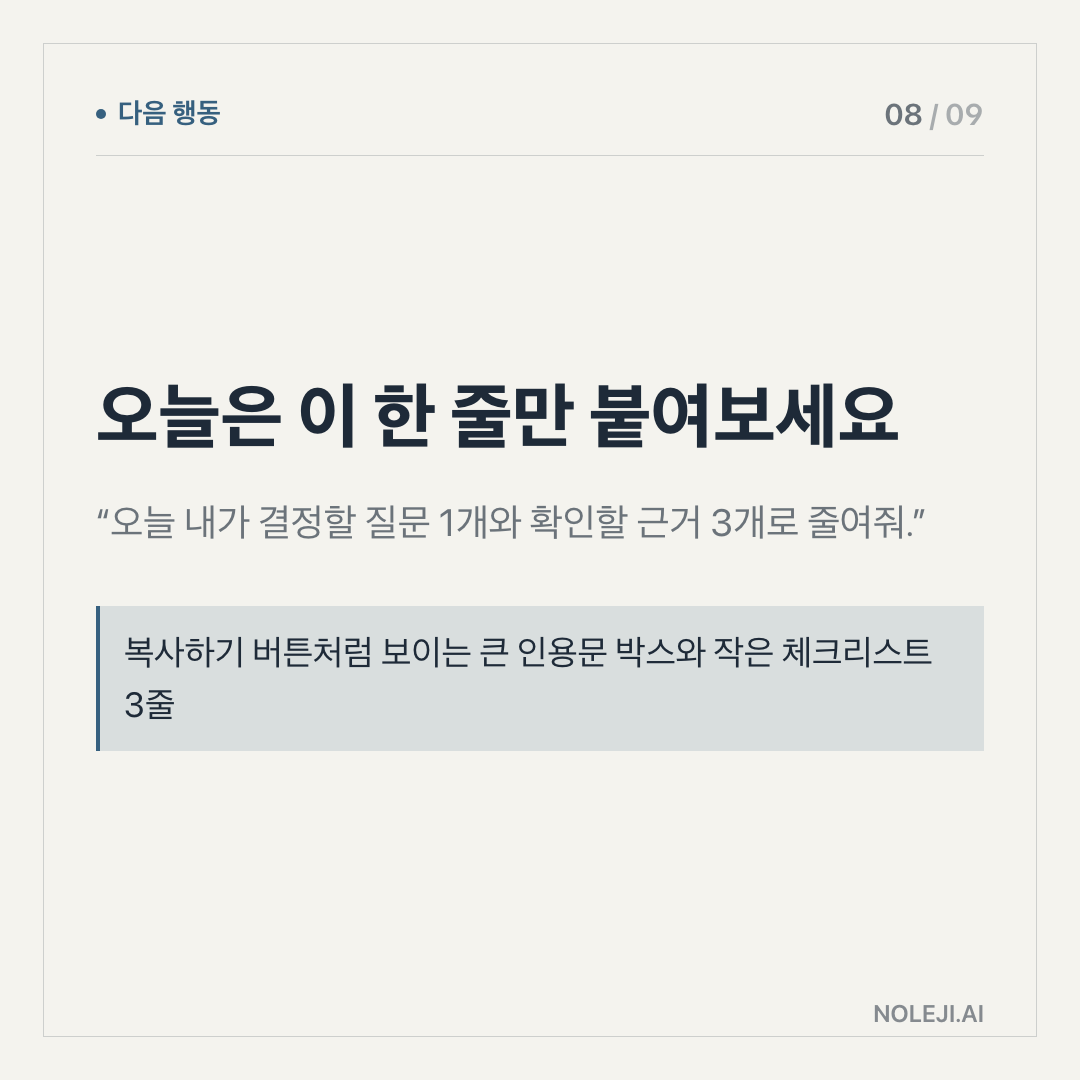
> “Show me the evidence trail first. Then tell me which parts are facts, which parts are judgment, and which parts still need checking.”
That one sentence is portable. Keep it for the next time you use an AI research agent, a browser assistant, or a general chatbot with search.
The primary next step: save the checklist above and use it on one real work question this week, preferably something small enough to verify yourself.
다음 편: I’ll look at how to turn an autoresearch result into a decision memo that a manager can actually use, without burying the important risk in polished AI prose.
Take-aways
- At 9:12 this morning, the most useful AI research result in my workspace was a three-line uncertainty note, not a polished summary.
- That sounds small
- My thesis is simple: autoresearch should not be treated as a machine that “finds the answer.” Its real value, at least today, is that it can build a traceable research trail faster than we can, so our own judgment starts from evidence instead of memory.
→ 한국어 버전 →