9:12 a.m., one browser tab, one shared link, and a term that looks technical enough to make people nod before they understand it: `autoresearchclaw`.
My thesis today is simple, and I know some people will disagree: the most useful thing to do with `autoresearchclaw` right now is not to explain it confidently. It is to build a small verification routine around it before letting it shape your work.
A mysterious tool name should slow you down, not impress you
When a new AI term appears in a work chat, the first pressure is social. Someone asks, “Have you seen this?” and the room quietly splits into two groups: people pretending they already know, and people opening three tabs to catch up.
I have been in that second group many times. As a non-developer who translates technical shifts into ordinary work language, I have learned that the first danger is not ignorance. The first danger is premature fluency.
`autoresearchclaw` sounds like something in the agentic research family: a system that may automate search, retrieval, synthesis, or source checking. But based on today’s manifest, we only have one 원문 출처: a `share.google` link. That is not enough to say what changed, who built it, what it can do, or whether it is stable.
So my position is conservative: treat `autoresearchclaw` as a thing to verify, not a thing to adopt.
The trap is thinking “AI research tool” means “research is handled”
The common assumption is tempting. If a tool claims to automate research, then the human can move faster. Give it a topic, let it gather sources, summarize the findings, and move on.
That may work for low-risk scanning. It does not work for decisions.
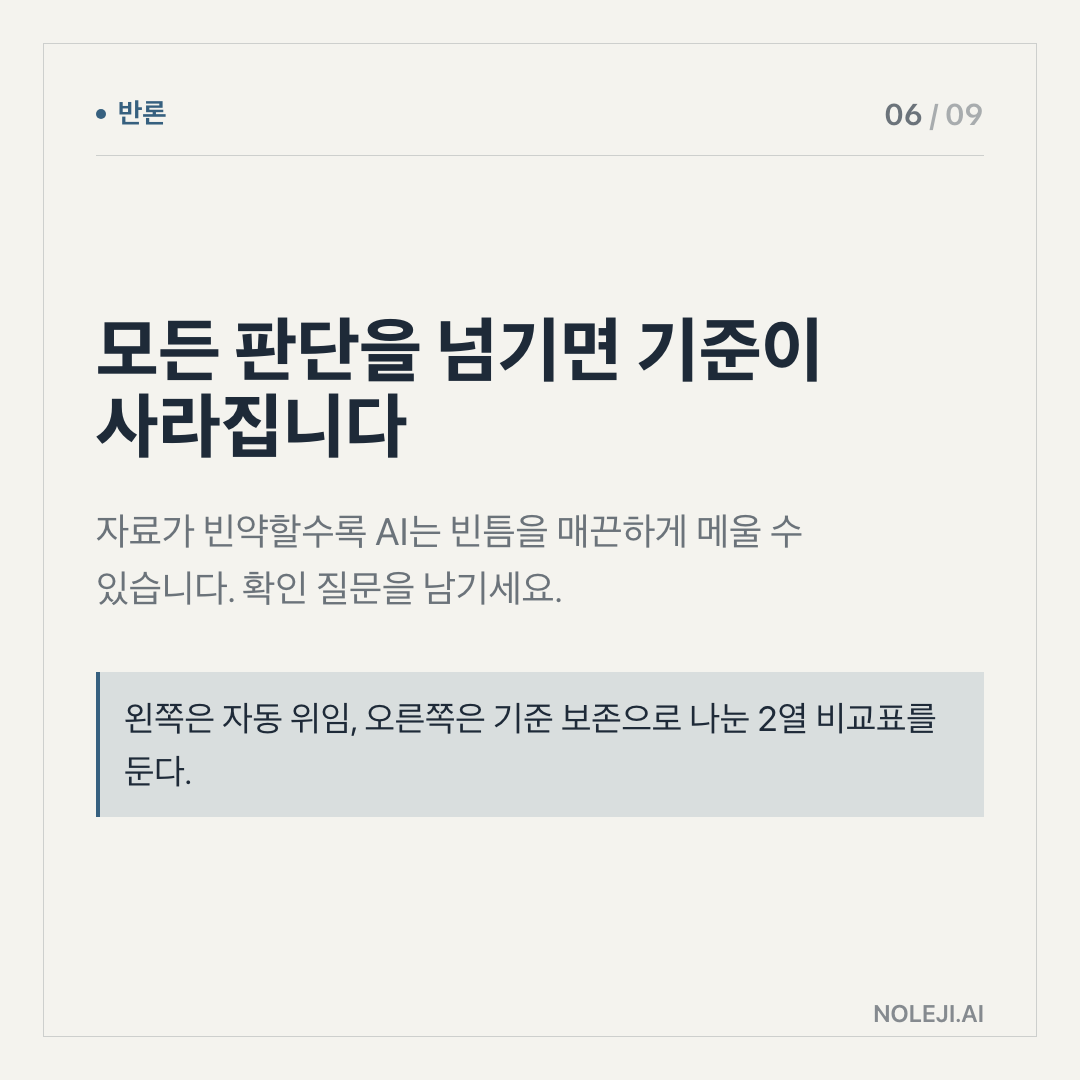
A research assistant is useful only when you can inspect how it reached its answer. If it cannot show source boundaries, uncertainty, freshness, and competing evidence, then it has not reduced your work. It has moved the work into a black box.
For a developer, that black box might be debugged with logs, traces, and repo inspection. For an office worker, the equivalent is simpler: “Can I explain this to my manager without pretending I know more than I do?”
If the answer is no, the tool is not ready for your workflow yet.
Today’s useful work is a verification checklist
Here is what we can responsibly say today.
The archive item is dated July 7, 2026. The topic is `autoresearchclaw`. The manifest has one listed source, titled “share.google 원문 출처,” from the `share.google` domain. The lede itself is careful: “check what changed, what the source supports, and what still needs verification.”
That last phrase matters. It tells us this is not a finished explanation brief. It is a checking brief.
I would use today’s signal the way I use a new policy memo or a forwarded market report: not as truth, but as an object to process.
Keep this table nearby:
| Question to ask | What counts as enough | What is not enough |
|---|---|---|
| What exactly is `autoresearchclaw`? | A creator, repo, paper, product page, changelog, or documented demo | A name repeated in a shared link |
| What changed today? | A dated release, announcement, benchmark, integration, or observed behavior | “People are talking about it” |
| What does it automate? | Clear steps: search, source ranking, extraction, synthesis, citation checking, report writing | A broad phrase like “automated research” |
| Can I inspect the evidence? | Source list, timestamps, intermediate notes, reproducible query path | A polished summary with no trail |
| Where can it fail? | Known limits: stale sources, hallucinated citations, shallow retrieval, biased ranking | No stated limitations |
| Should I use it at work? | A low-risk task where errors are easy to catch | Client advice, legal, medical, financial, or executive decisions |
The practical point is not to be suspicious for its own sake. The point is to save time twice.
First, you save time by not chasing every tool name into a full afternoon of reading. Second, you save future cleanup time by not importing an unclear system into a real workflow too early.
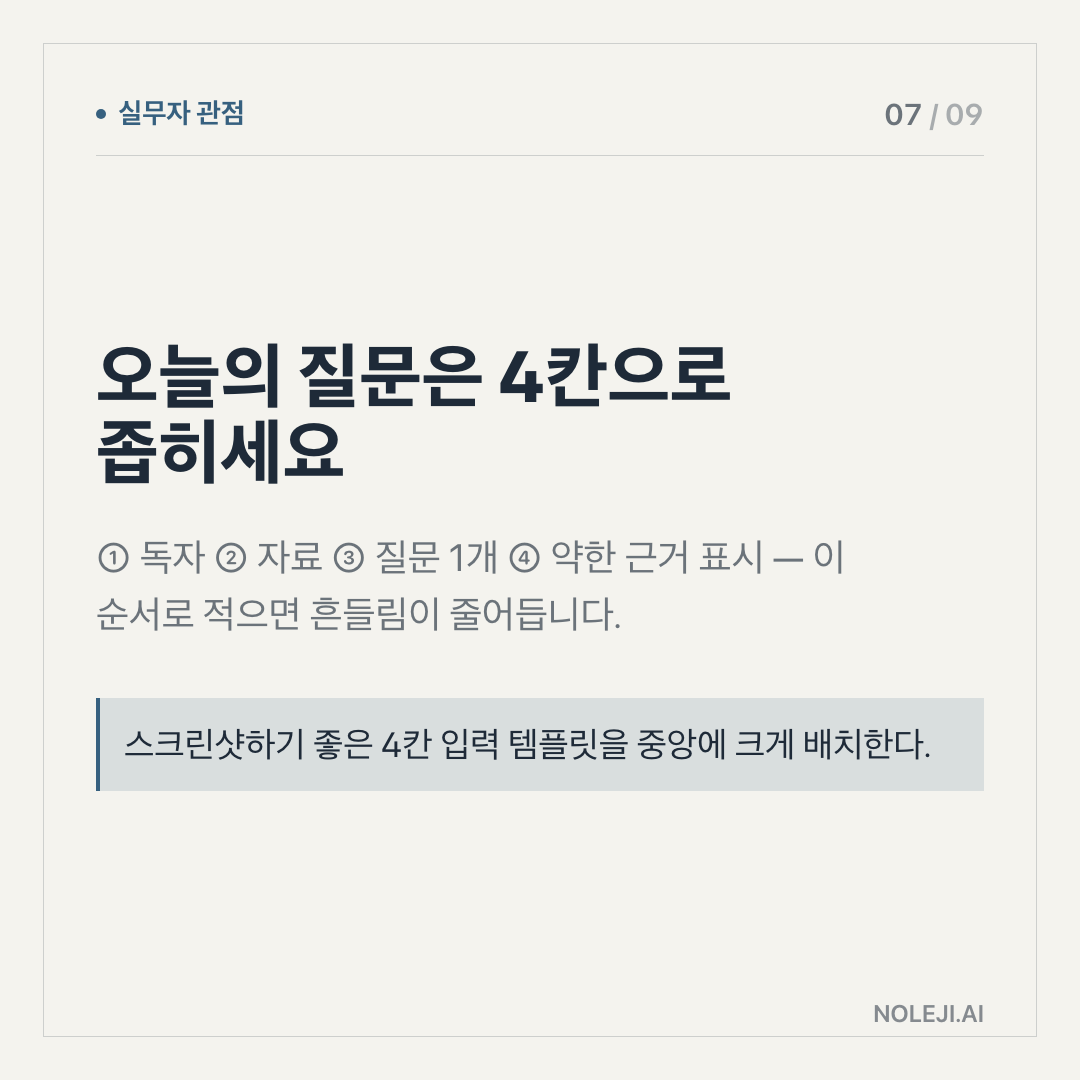
I would start with three checks:
① Identify the origin Who made `autoresearchclaw`? If the only thing available is a forwarded link, write “origin unverified” in your note. That one phrase prevents false confidence.
② Separate capability from promise If someone says it “does research,” translate that into verbs. Does it search? Rank? Summarize? Compare? Cite? Update? Monitor? Each verb needs different trust.
③ Test it on a boring topic first Do not test a research automation tool on your most urgent project. Use something boring and checkable: a company policy summary, a product comparison you already know, or a public dataset with obvious facts. If it fails there, it will fail more quietly on important work.
Last week, I tested an AI summary flow on a document I already knew well. It sounded clean, but it skipped the one exception clause that changed the whole recommendation. That is the failure pattern I watch for with any research automation: not dramatic nonsense, but elegant omission.
There are cases where waiting is the wrong move
The cautious path has its own risk. If `autoresearchclaw` turns out to be a serious new research agent, early users may learn faster. They will build habits, prompts, evaluation sheets, and internal examples before everyone else arrives.
So I would not ignore it.
A product strategist, analyst, policy researcher, journalist, marketer, investor, teacher, or operations lead should at least track it. Anyone who spends hours turning messy information into decisions has a reason to care.
But tracking is different from trusting.
Right now, with one manifest source and no additional verified context in this brief, I would not present `autoresearchclaw` to a team as a proven tool. I would present it as a candidate to evaluate.
That distinction sounds small. In practice, it changes the meeting.
“Use this tool we should use” creates adoption pressure.
“Use this tool we should test against three known tasks” creates learning without overcommitment.
The small system to build today
If this crossed your desk today, I would not ask you to become technical overnight. I would ask you to make one reusable note.
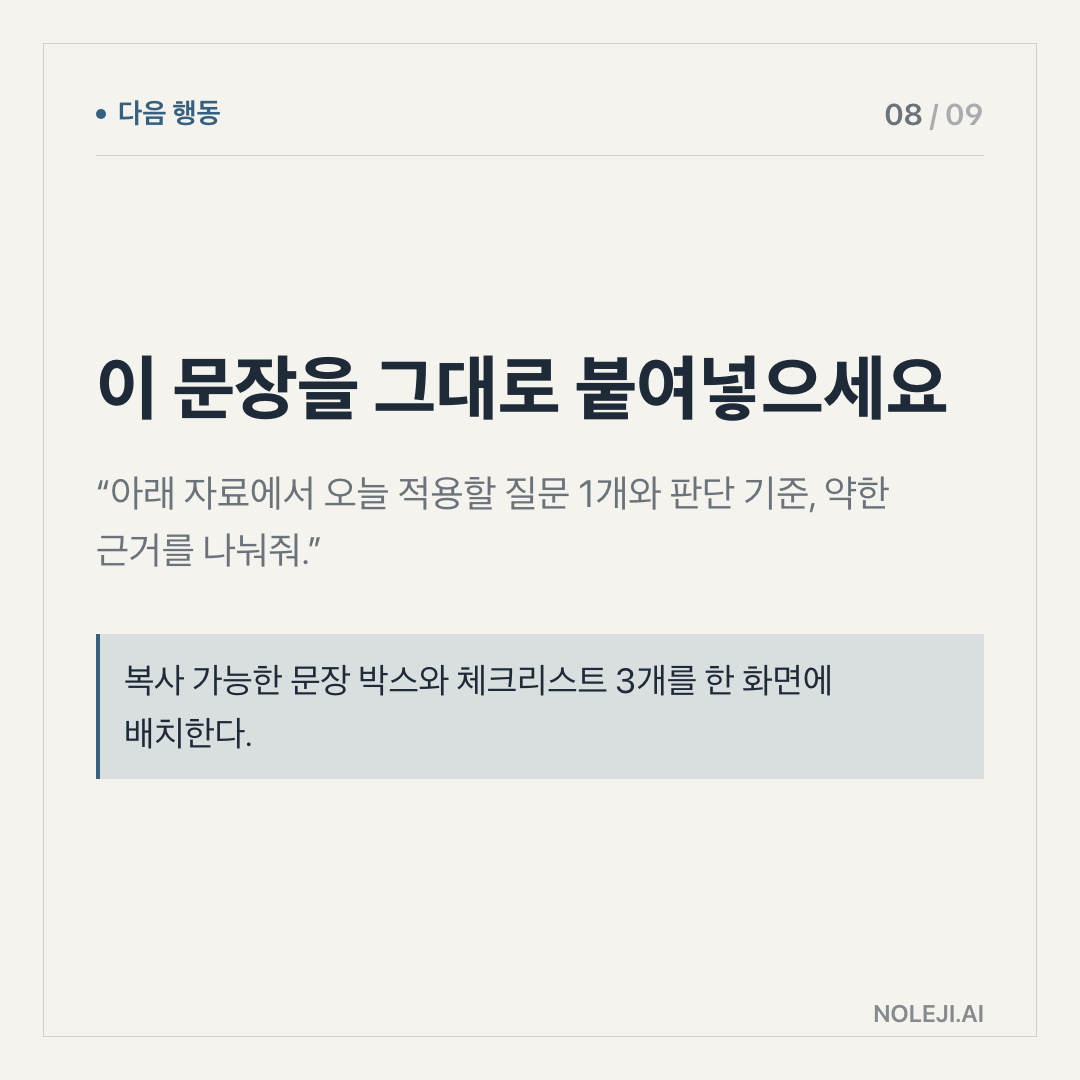
Copy this line into your research log:
> `autoresearchclaw` status today: one 원문 출처 found; origin, capability, evidence trail, and failure modes still need verification before work use.
Then add three columns under it:
| Item | Today’s status | Next check |
|---|---|---|
| Origin | Unverified from current brief | Find creator or official project page |
| Capability | Not established | Identify what task it actually performs |
| Work readiness | Not ready for trust-based use | Test on one low-risk known topic |
My next step is to keep `autoresearchclaw` in the “watch and test” bucket, not the “adopt” bucket.
Next installment: I’ll look at how to evaluate an AI research agent like a non-developer professional: what to test, what to ignore, and the one failure that should make you stop immediately.
Take-aways
- 9:12 a.m., one browser tab, one shared link, and a term that looks technical enough to make people nod before they understand it: `autoresearchclaw`.
- My thesis today is simple, and I know some people will disagree: the most useful thing to do with `autoresearchclaw` right now is not to explain it confidently
- When a new AI term appears in a work chat, the first pressure is social
→ 한국어 버전 →