The Gemini Question Is Not “Is It Smarter?”
At 9:17 a.m., the real test is not whether Gemini gives you a clever answer. It is whether you can paste a messy work problem into it, walk away with a usable draft, and not spend the next 25 minutes repairing what it misunderstood.
That is the check I would run today.
My thesis is simple, and some people will disagree with it: Gemini matters less as a chatbot and more as a work-routing layer. If you judge it only by answer quality, you will miss the practical question. Can it help an ordinary office worker move a task from “I should deal with this later” to “I have the next version in front of me”?
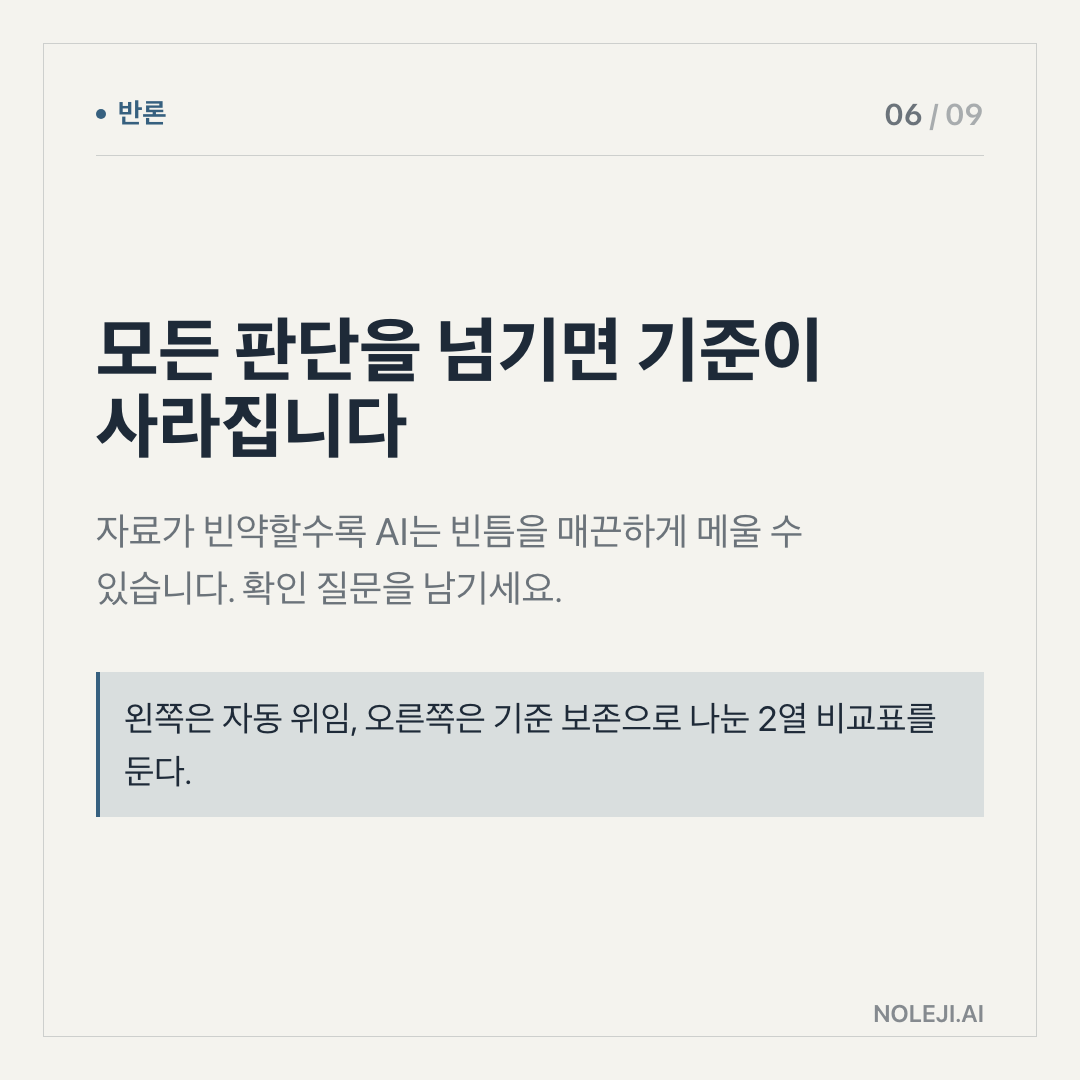
The source base for today is thin. The manifest points to one YouTube signal about Gemini, not a full product changelog or technical paper. So I would not treat this as a final verdict. I would treat it as a prompt to test the service against your own work before the week moves on.
Everyone Wants The Best Model, But Work Usually Breaks At The Handoff
A lot of AI coverage still asks the same question: which model is smartest?
I understand the instinct. When I first started using AI tools in daily work, I also compared answers like exam papers. Which one wrote the cleaner paragraph? Which one caught the nuance? Which one sounded less robotic?
That was useful for about a week.
Then the real friction showed up. The model could summarize, but not in the format I needed. It could draft, but it ignored the audience. It could reason through a plan, but left me with a beautiful paragraph instead of something I could send, paste, schedule, or hand to a teammate.
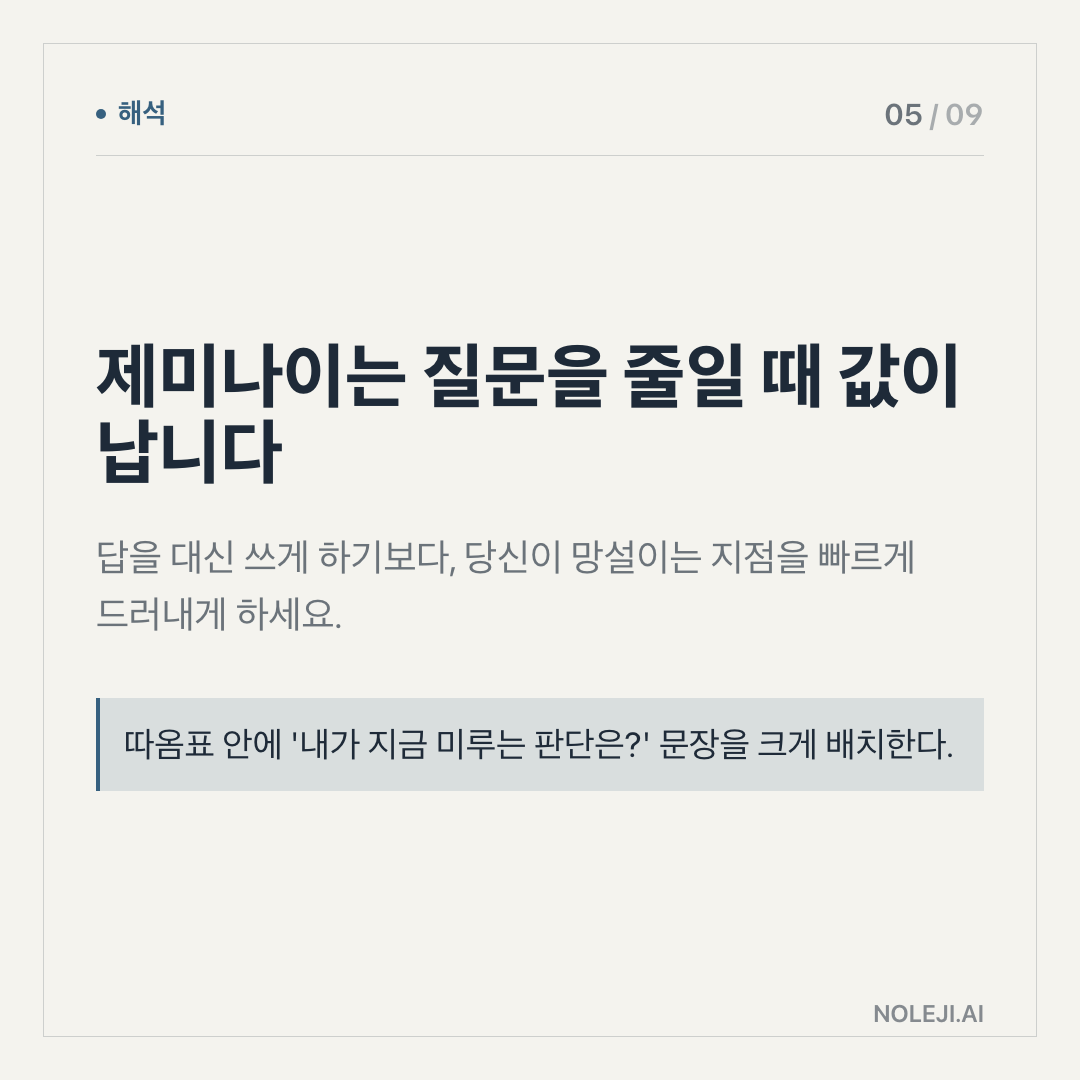
For non-developers, this is the trap. We are not usually buying intelligence as a spectacle. We are buying fewer stalled tasks. If Gemini is improving, the question is not “Can it talk impressively?” It is “Can it stay inside the shape of my work?”
A junior colleague who gives a brilliant answer but ignores the requested format still creates work. An AI service does the same thing.
The Useful Test: Can Gemini Keep Context, Format, And Next Action Together?
The strongest way to read today’s Gemini signal is as a services question, not a model-ranking question.
If the YouTube source is showing a Gemini feature, demo, or workflow, I would watch it with one practical filter: does this reduce task switching? Not in theory. In the actual click-by-click sense.
Here is what I would check.
| What to Test | Good Sign | Warning Sign |
|---|---|---|
| Context handling | Gemini remembers the role, audience, and constraints across the task | It gives a good first answer, then drifts when asked to revise |
| Format control | Output lands close to the requested shape: email, table, brief, checklist, deck outline | You still have to rebuild the structure manually |
| Source discipline | It separates what the source supports from what still needs checking | It turns a demo into broad claims without evidence |
| Office fit | The result can be pasted into a real workflow with light editing | The result sounds impressive but has no obvious next use |
| Recovery | When corrected, it improves without arguing or flattening nuance | Each revision fixes one issue and creates another |
This table is the artifact I would keep. It is boring on purpose. Boring tests beat dramatic demos.
Last week I used a similar checklist while comparing AI help for a short internal brief. One tool gave me a polished summary, but it missed the decision maker’s concern. Another gave me a rougher answer, but kept the audience, deadline, and output format intact. I used the rougher answer. The better assistant was not the one with the prettiest prose. It was the one that reduced the number of decisions I had to make after reading it.
That is why Gemini should be checked as a work companion, not as a content machine.
For a non-developer, the meaningful unit is not “one answer.” It is a loop:
① give it the messy input ② ask for a usable first version ③ correct the audience, tone, or missing condition ④ ask for a final format you can paste somewhere ⑤ check whether the human cleanup got smaller
If cleanup does not shrink by step ⑤, the tool is entertaining you more than helping you.
The YouTube source in today’s manifest may show a product surface, a workflow, or a capability claim. Without more source material, I would not overstate what changed. But I would use it as a reason to run a small Gemini audit today, especially if your work includes recurring summaries, meeting notes, email drafts, customer explanations, market scans, or internal decision memos.
Those are the places where AI services quietly become infrastructure. Not because they replace your judgment, but because they remove the blank page between intent and first draft.
Where This Test Fails
This approach will not work for every job.
If your work depends on legal precision, medical advice, regulated financial language, or confidential internal data, a casual Gemini test is not enough. You need policy, review, and a clear boundary around what can be pasted into the tool.
It also fails when the source is mostly demo-driven. A YouTube signal can be useful, but it often shows the clean path. Real work is messier. Someone interrupts you. The input is half complete. The spreadsheet has strange labels. The manager wants the same thing “but more executive.” That is where services prove themselves.
I would also be careful with one more thing: integration bias. If Gemini appears close to the apps you already use, it may feel more useful before it has earned that trust. Convenience is valuable, but it is not the same as reliability.
Run A 20-Minute Gemini Audit Today
Do not test Gemini with a toy prompt. Use a task you actually avoided this week.
Pick one unfinished item and run this sequence:
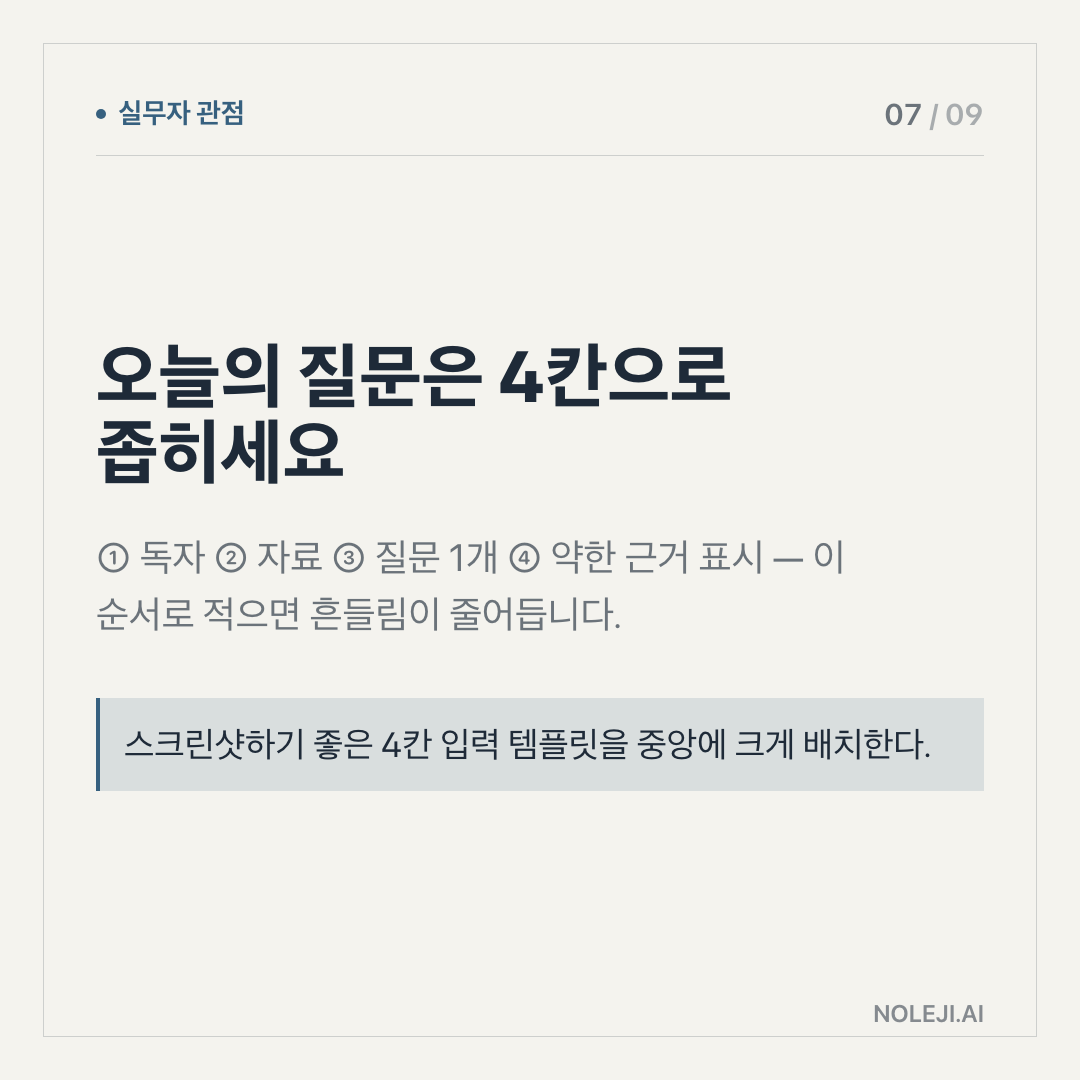
① Paste the raw material: notes, links, rough bullets, or a messy email thread. ② Tell Gemini the audience, deadline, and final format. ③ Ask for a first usable draft, not a solid answer. ④ Give one correction you would give to a junior colleague. ⑤ Measure the result by cleanup time, not by how smart it sounds.
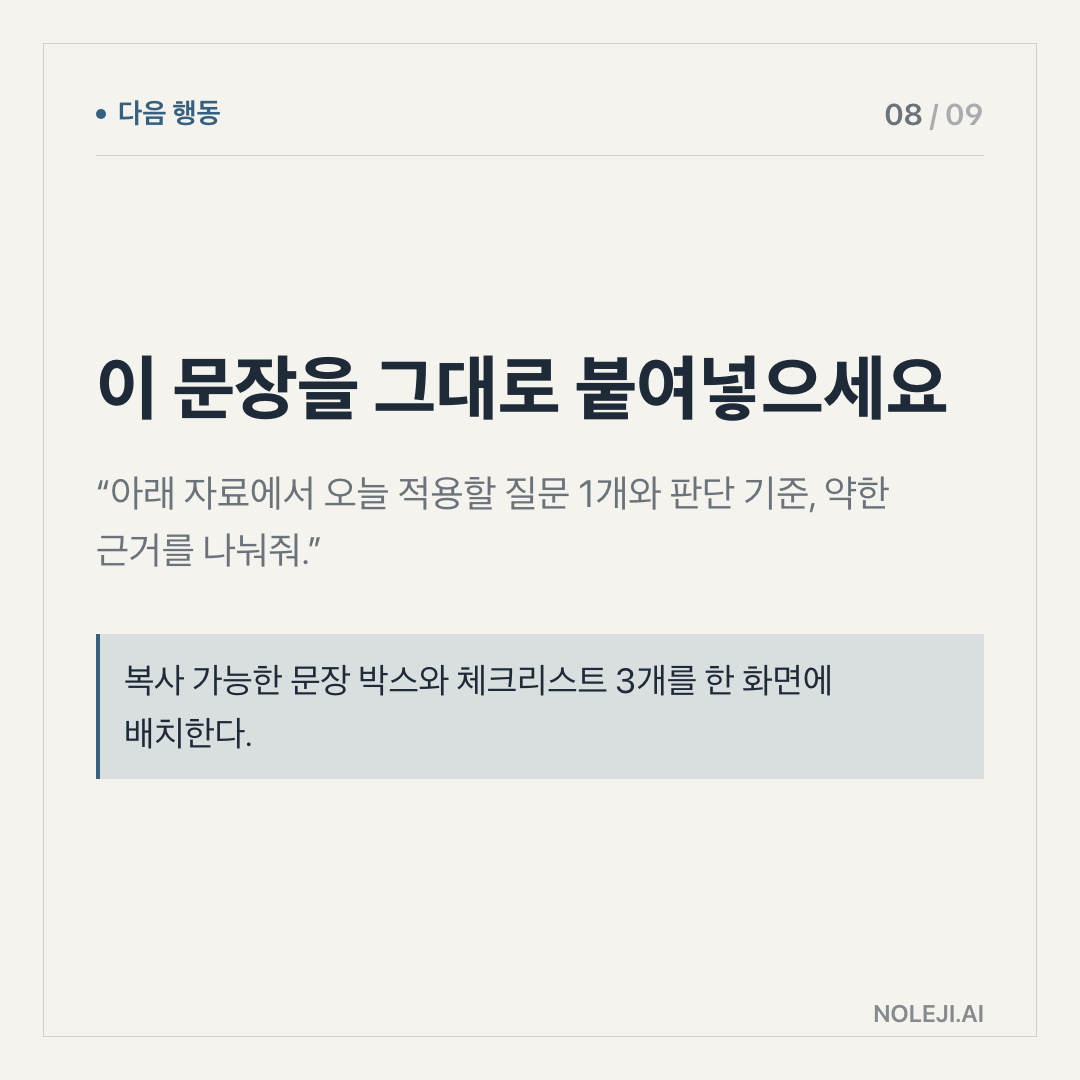
복붙용 line:
> “Turn this messy input into a version I can actually use today. Keep the audience, format, and next action explicit. If the source is thin, say what still needs checking.”
My primary next step: save the table above and use it on one real Gemini task before judging the product from a demo.
Next piece: I’ll look at how to compare AI services without falling into the “which model is smartest?” loop, because the better question for most workers is which tool gives time back without quietly adding supervision work.
Take-aways
- At 9:17 a.m., the real test is not whether Gemini gives you a clever answer
- That is the check I would run today.
- My thesis is simple, and some people will disagree with it: Gemini matters less as a chatbot and more as a work-routing layer
→ 한국어 버전 →