The research task sitting beside an inbox
A marketing manager has a browser tab open, a Slack thread half answered, and a spreadsheet waiting for the next row of competitor notes. She is not trying to become a developer. She is trying to decide whether one product change is worth mentioning in next week’s customer email.
That is where I think autoresearch becomes interesting. Not as a grand replacement for human judgment, but as a tool that quietly changes how ordinary knowledge workers begin, check, and finish research.
My thesis is simple, and some people will disagree with it: autoresearch will matter less because it “does research for us,” and more because it forces us to build better small habits around research.
The turn is not automation itself, but the shape of the request
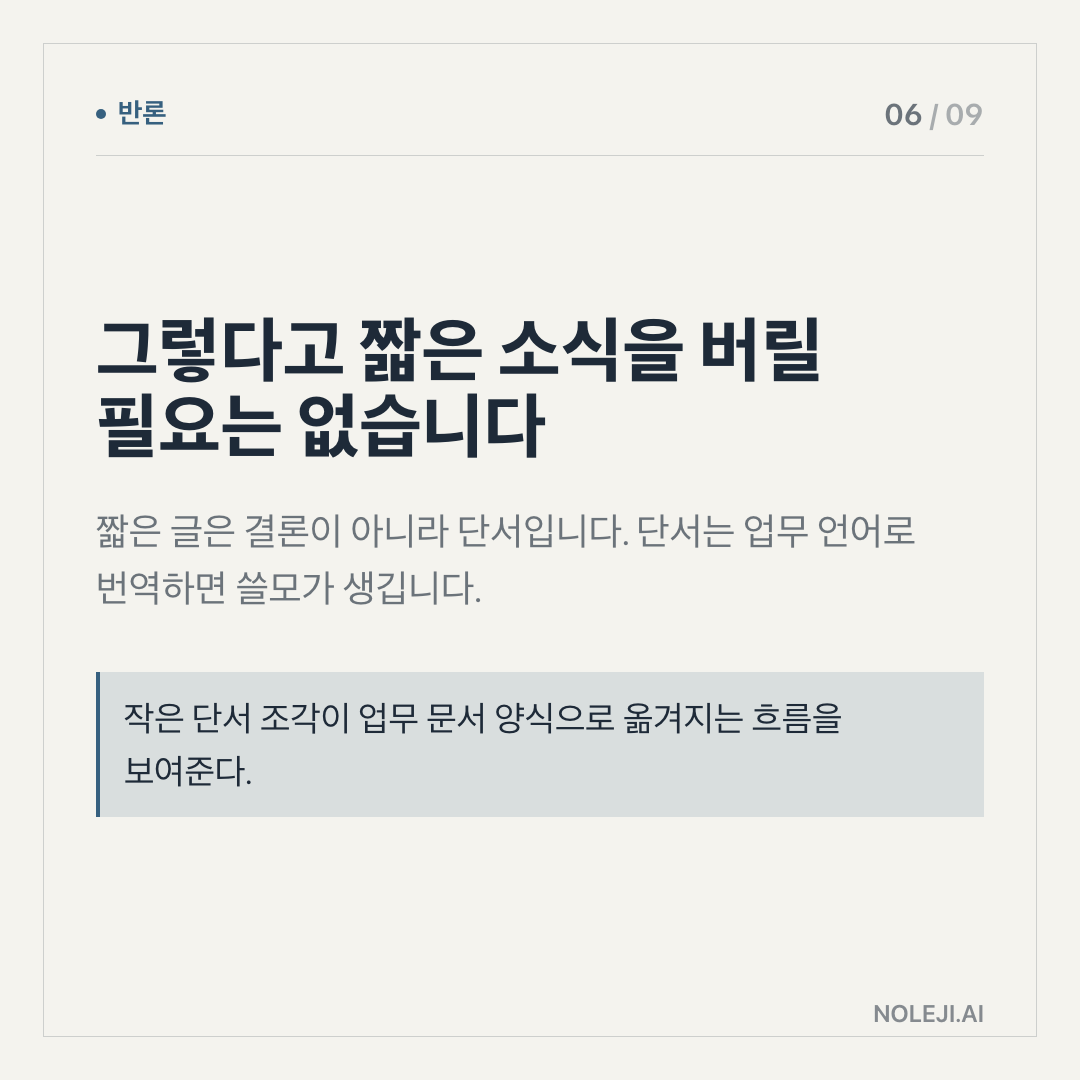
The source attached here is thin: a news.hada.io page about autoresearch, not a full primary technical document. So I would not treat it as proof of a mature product category or as evidence that one implementation already solves the research problem. I would treat it as a useful marker of where the conversation is moving.
The old habit was to type a broad question into a search box and keep opening tabs until fatigue felt like completion. The newer habit is different. You define the question, ask the system to gather and compare, then inspect what it used and what it missed.
That sounds small. In office work, small is often the real change.
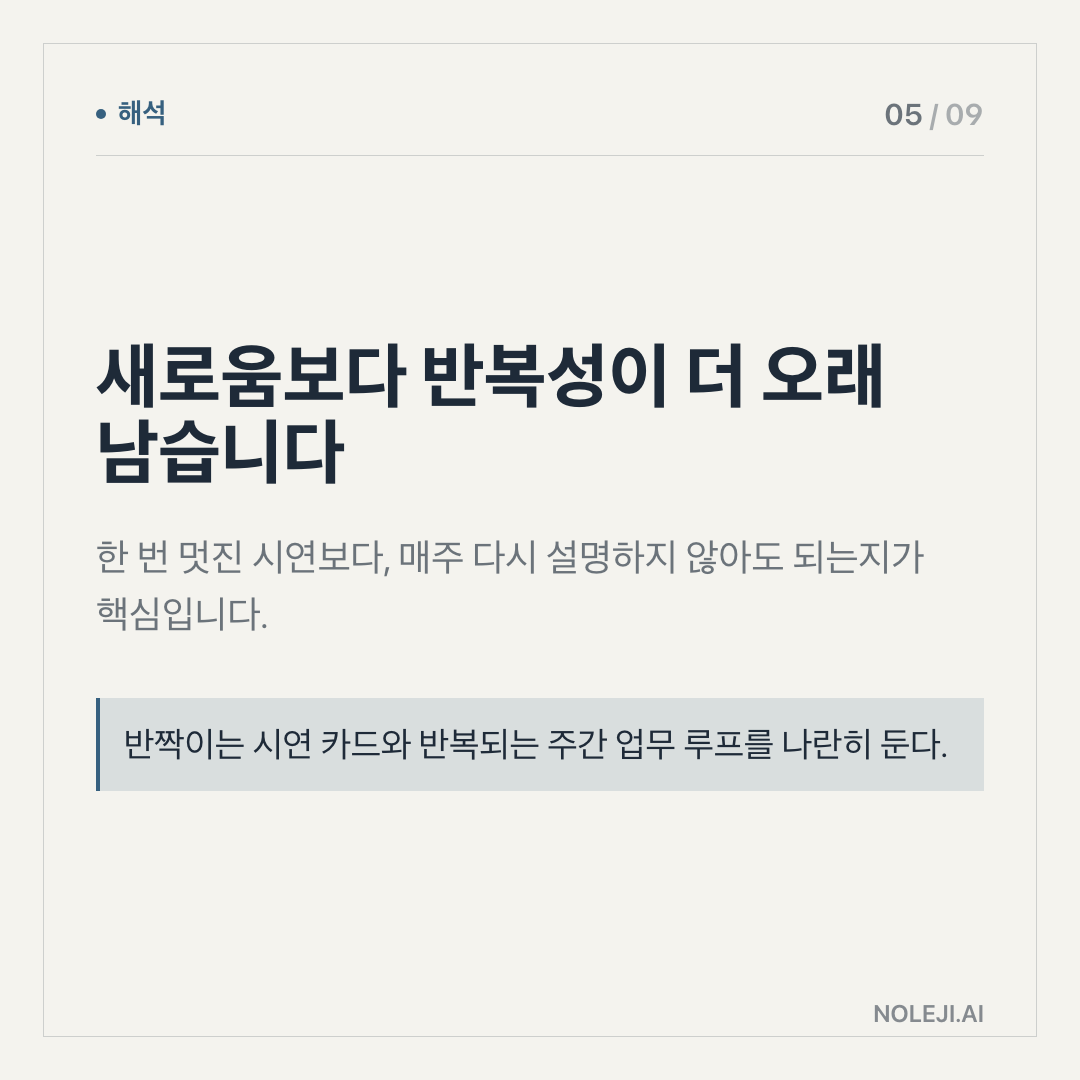
I have watched non-developer teams lose more time to unclear research questions than to lack of information. “Find market examples” becomes ten links. “Check if this claim is still true, using at least two sources, and tell me what remains uncertain” becomes a decision aid. Autoresearch pushes people toward the second version.
A good researcher is not faster first; it is more inspectable first
The tempting story is speed. Give the system a topic, wait, receive a summary. Nice.
But speed is not the main issue. A fast answer that hides its trail can make a team move with false confidence. For me, the more useful promise is inspectability: the habit of asking what changed, what the evidence supports, and where verification is still needed.
That is a different relationship with AI. Instead of treating the model as a smart colleague who “knows,” you treat it like a junior researcher with stamina. You still need to brief it clearly. You still need to review the notes. You still need to decide whether the answer is strong enough for a meeting, a memo, or a public claim.
Here is the practical shift I would keep:
| Old research habit | Better autoresearch habit |
|---|---|
| Search a broad topic | State the decision the research must support |
| Collect many links | Ask for source grouping and disagreement |
| Stop when the summary feels plausible | Stop when the remaining uncertainty is visible |
| Copy the answer into a deck | Translate the answer into a next action |
| Trust fluency | Check evidence trail and missing sources |
This matters especially for non-developer workers. You do not need to know how the system is built to use it well. But you do need to change the request.
A poor request sounds like this: “Research autoresearch.”
A better request sounds like this: “Explain what autoresearch changes in daily knowledge work, separate confirmed facts from interpretation, and list what I should verify before sharing it with my team.”
That second sentence is not technical. It is managerial. It names the job, the standard, and the risk.
I take a fairly firm position here: the people who benefit most from these tools will not be the people who ask the most questions. They will be the people who define the finish line before the tool starts running.
For a product marketer, the finish line might be “can I mention this in a customer note?” For an HR manager, it might be “is this trend relevant enough to brief leadership?” For a freelancer, it might be “does this give me a useful angle for a client proposal?” Autoresearch becomes valuable when the output is tied to a real next move.
The habit breaks when the question is vague or the stakes are high
There are places where this pattern does not travel well.
If the topic affects law, health, finance, hiring, or public reputation, an autoresearch summary is not enough. It can help map the terrain, but it should not become the final authority. I would rather be slow and right in those cases than fast and exposed.
It also fails when the user refuses to make a judgment. I have done this myself: ask an AI tool for “more background” when what I really needed was to decide which angle I believed. More output did not help. It just gave me a cleaner way to postpone the decision.
That is the hidden risk. Autoresearch can reduce messy searching, but it can also create polished indecision. The answer looks organized, so the user feels progress. Yet no choice has been made.
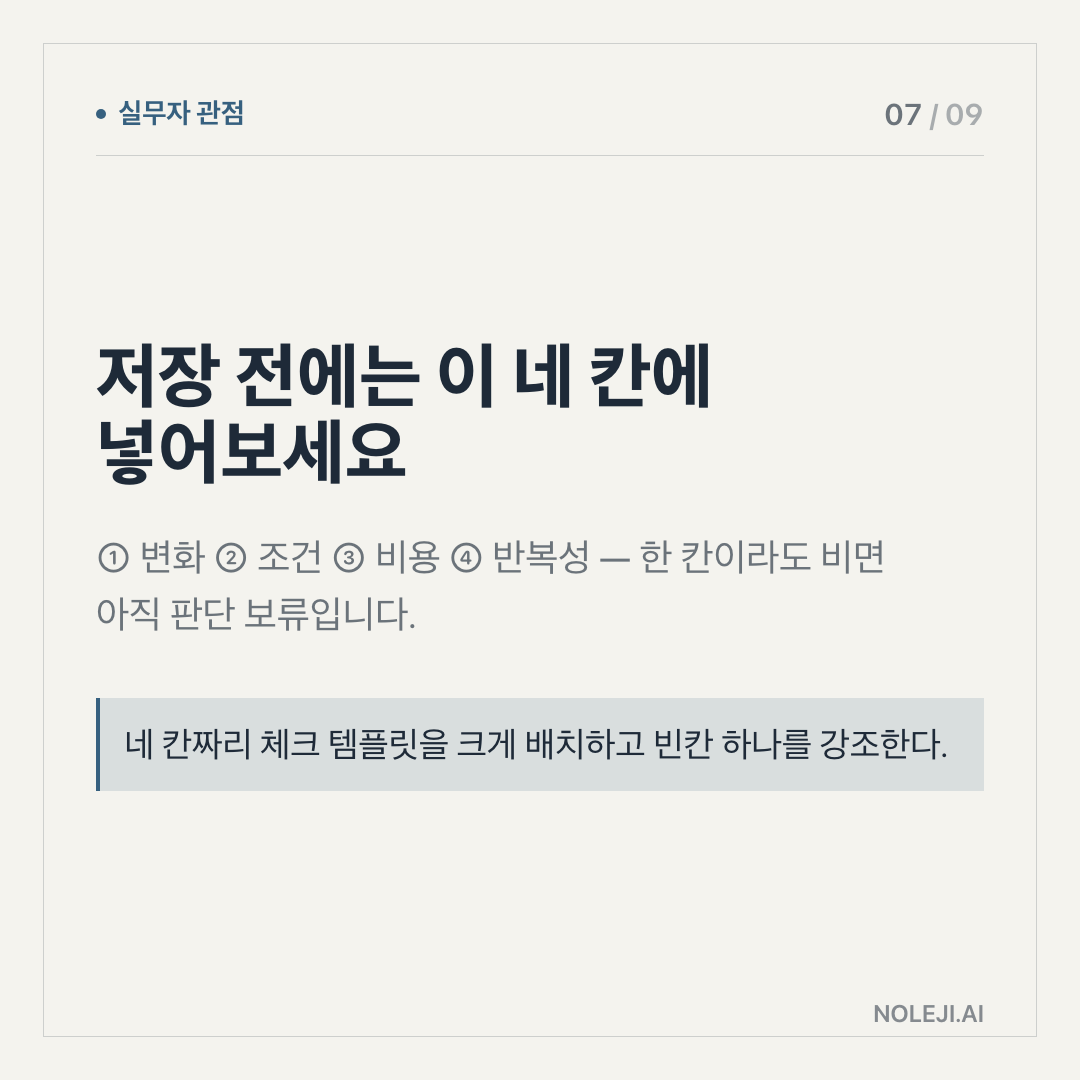
The test is simple: after the research run, can you write one sentence that changes what you will do?
Keep a research brief small enough to reuse
The next useful step is not to adopt a new workflow for everything. It is to keep one reusable research brief and try it on a real work question.
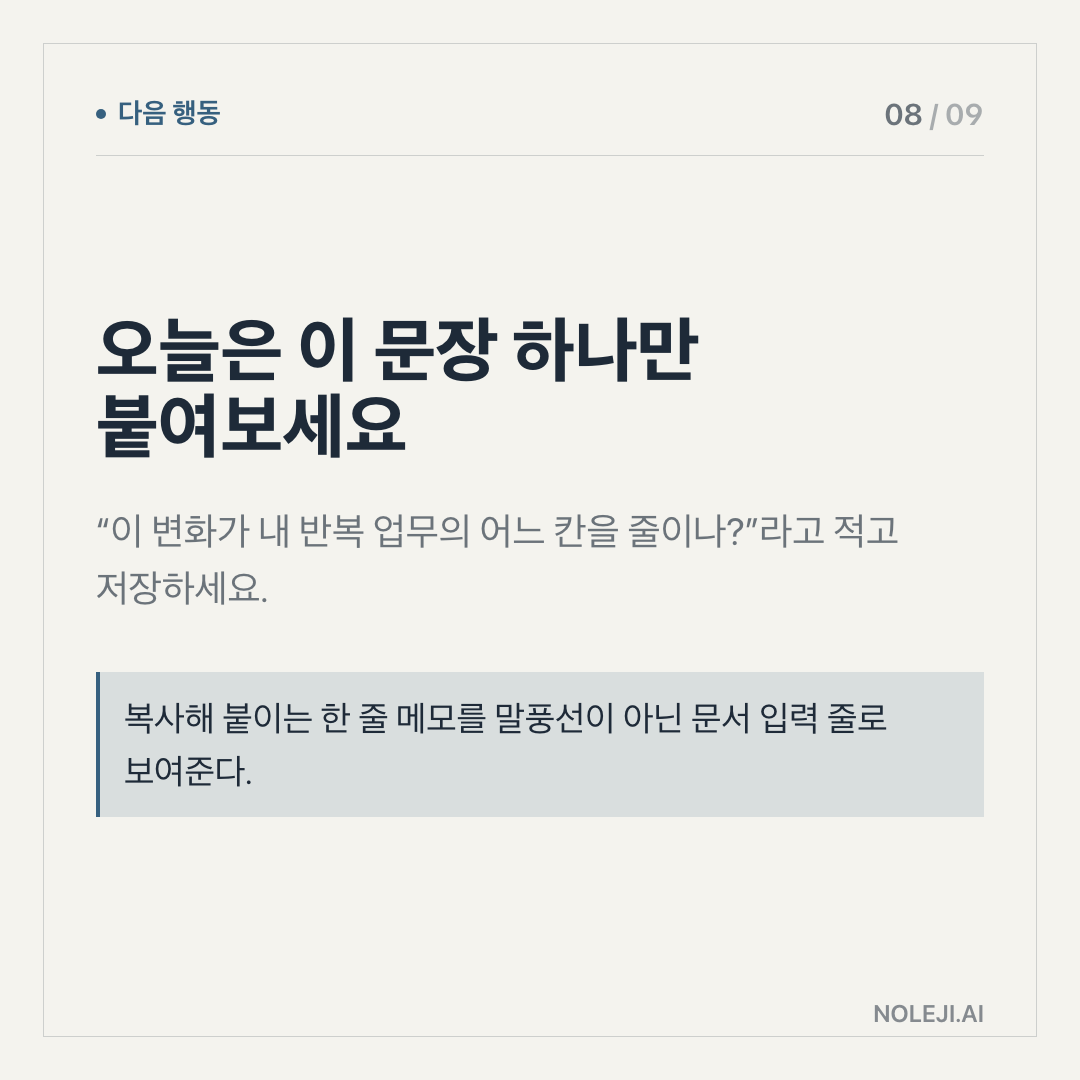
복붙용 line:
> Research this for a work decision: what changed, what evidence supports it, what remains uncertain, and what action I should consider next.
I would use it on one topic only, then compare the result with your normal search habit. Did it save time? Did it expose uncertainty? Did it help you decide what to do next?
That is the quiet value of autoresearch. It does not remove your judgment. It gives your judgment a better starting point.
Next step: save the brief above and use it on one real task before you change your workflow. In the next piece, I’ll look at the other side of this habit: how to avoid turning AI research into a pile of neat summaries that nobody acts on.
Take-aways
- A marketing manager has a browser tab open, a Slack thread half answered, and a spreadsheet waiting for the next row of competitor notes
- That is where I think autoresearch becomes interesting
- My thesis is simple, and some people will disagree with it: autoresearch will matter less because it “does research for us,” and more because it forces us to build better small habits around research.
→ 한국어 버전 →