I once mistook a busy feed for a useful signal. I would save a post, skim the comments, and tell myself I had “kept up.” Then Monday arrived, and nothing in my work had changed.
That is the small failure I see in the Brad Walsh thread today. The available source is thin: a Threads post from @bradwalsh, not a full paper, launch note, or product changelog. So the right question is not “what does this prove?” It is “what kind of watchlist should a non-developer build when the first clue is only a public post?”
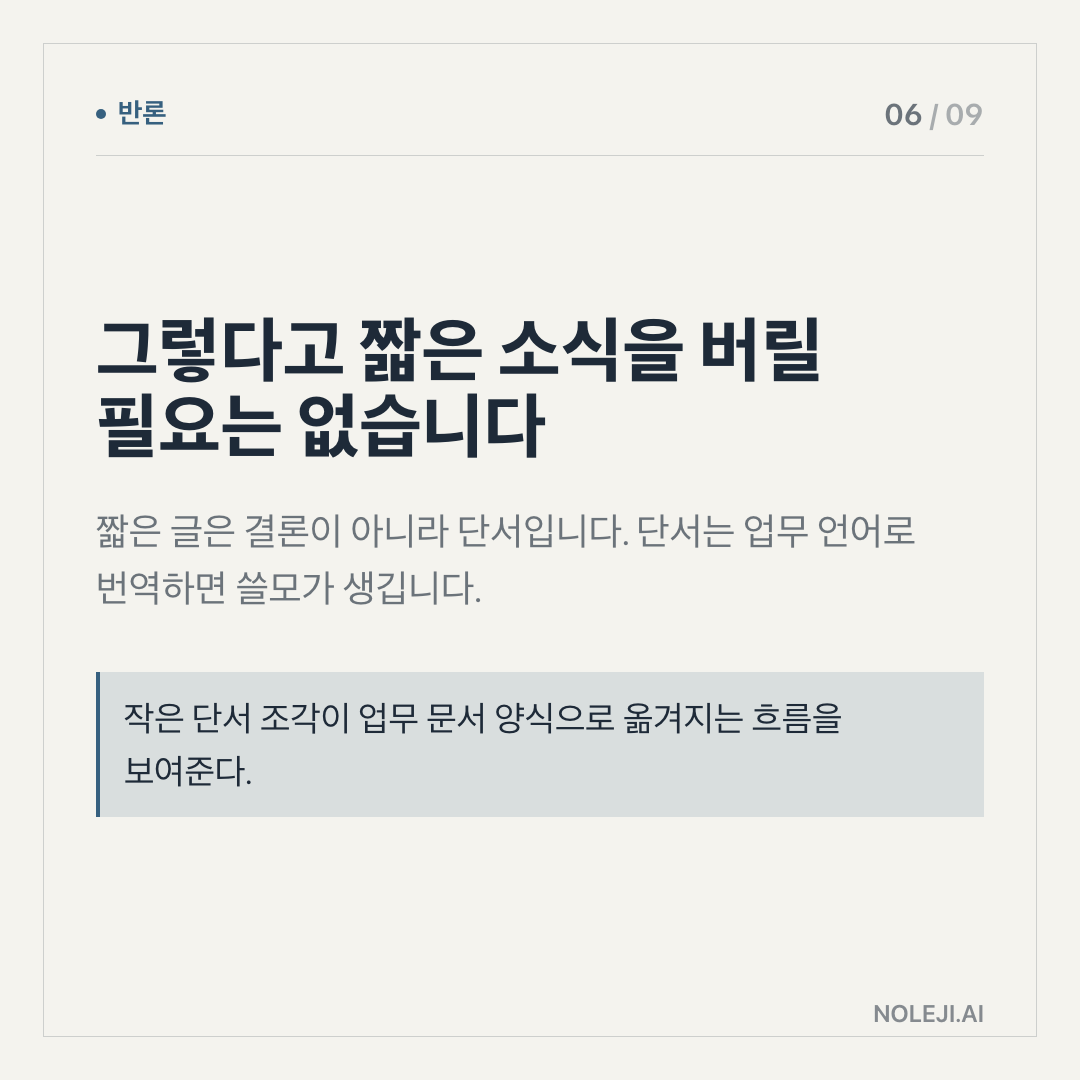
A single post is not evidence, but it can be a useful tripwire
My argument is simple: for working professionals, early AI signals are valuable only when they change what you start watching, not when they give you something new to repeat.
A Threads post is closer to a tripwire than a verdict. It tells us that someone worth watching has put a marker in public, but it does not yet give us enough to make a confident claim about adoption, performance, pricing, or long-term impact.
That sounds modest. It is also more useful.
In office language, this is like hearing that another team has started using a new workflow. You do not rewrite your whole process that afternoon. You ask three questions: What changed? Who is affected first? What would I need to see before I copy it?
That is the discipline I want to keep here.
The turn is from “interesting post” to “repeatable observation”
The temptation is to treat every visible AI post as content. I have done that. I have clipped screenshots, filed them under “future work,” and later discovered I could not explain why I saved them.
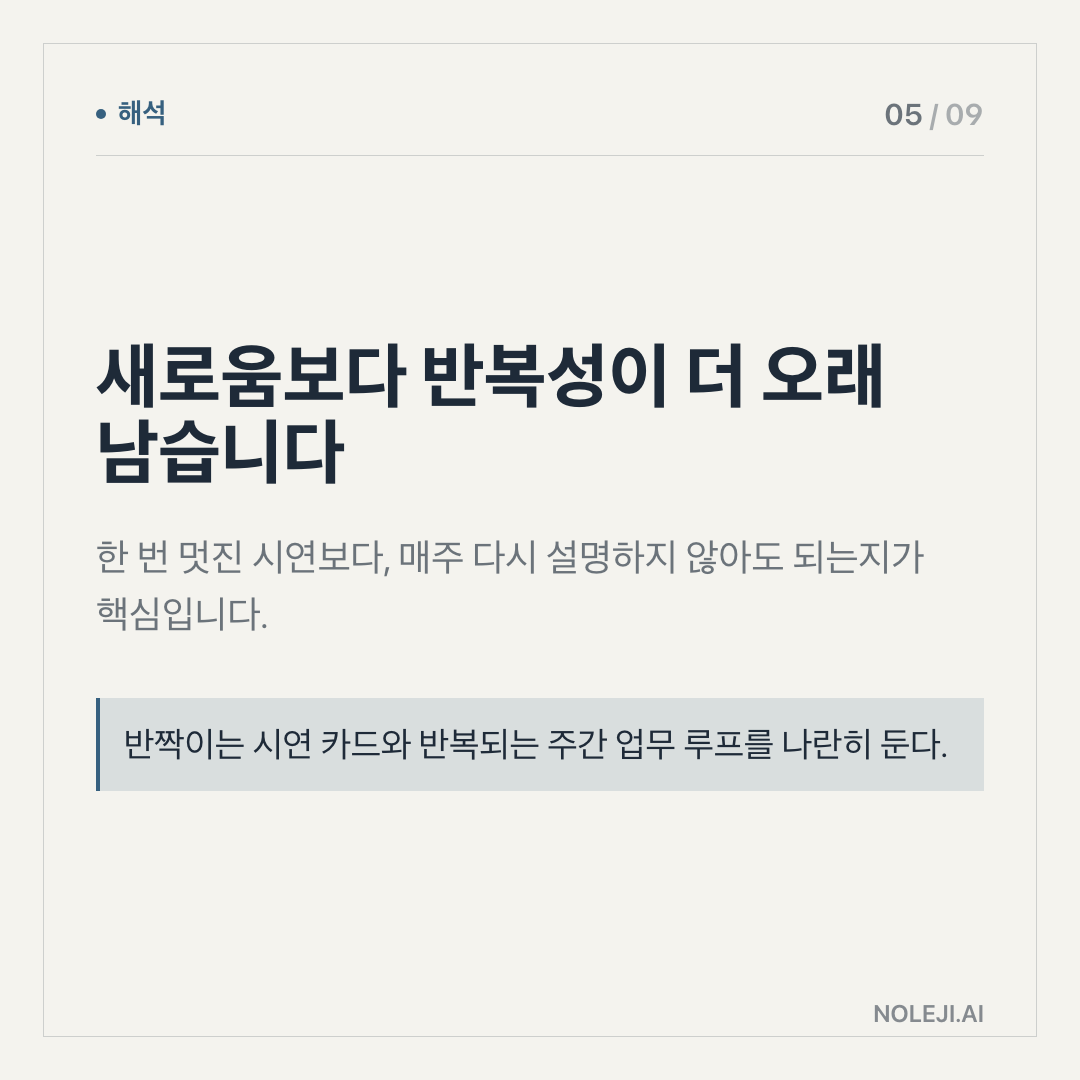
The turn comes when we stop saving posts and start saving observations.
For this Brad Walsh item, the public information in front of us supports only a narrow statement: there is something new enough to track, but not yet enough in the provided source to turn into a hard conclusion. That boundary matters. If I overstate it, I may feel informed for ten minutes and become less useful the next day.
A better move is to create a small observation frame. Not a giant research system. Just a place where one public post becomes the start of a question.
| What to track | Why it matters | What would count as stronger evidence |
|---|---|---|
| The exact claim being made | Separates signal from reaction | A follow-up post, demo, release note, or direct explanation |
| Who is responding | Shows whether practitioners care | Comments from users with concrete use cases |
| Whether a workflow changes | Moves it from “news” to “work” | Before/after examples, time saved, repeated usage |
| What remains unclear | Prevents premature certainty | Missing details on tools, cost, access, or limitations |
I would save this table before I save the post.
The real skill is not speed; it is a small verification habit
This is where I disagree with the usual “move fast or fall behind” reading of AI news.
Speed matters, but a faster feed can make a person less prepared if it trains them to react without checking. The better skill is a small verification habit that fits inside a normal workday.
For a non-developer, that habit can be very plain.
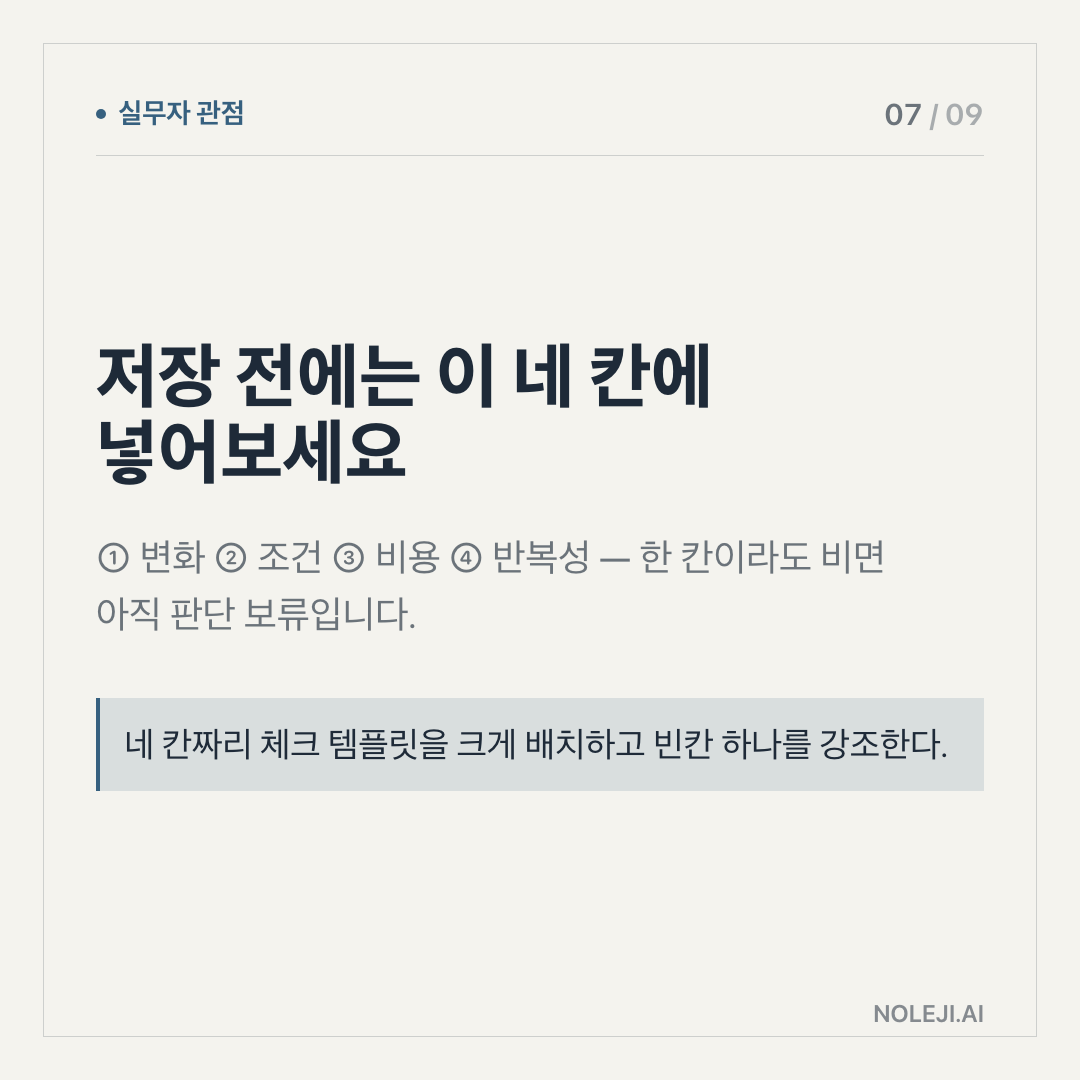
① Write the claim in one sentence. ② Mark what the source actually proves. ③ List what would make you change your workflow. ④ Check again in 48 hours or one week. ⑤ Delete it if nothing concrete appears.
I like this because it respects attention. Most office workers do not need a dashboard full of every AI announcement. They need a way to decide whether a new tool, method, or creator post deserves ten more minutes.
The Brad Walsh post, based on the limited source provided, belongs in the “watch once more” bucket. Not the “ignore” bucket, because public posts sometimes precede useful demos or product shifts. Not the “act now” bucket, because we do not yet have enough supporting detail here.
That middle category is underrated.
It keeps curiosity alive without letting it spend your calendar.
This method fails when the source is already operational
There are cases where waiting is a mistake. If your company announces a new AI policy, if a tool you already use changes pricing, or if a platform you depend on removes a feature, you do not need a week of observation. You need to read the source and act.
This Brad Walsh item is not that kind of case, at least from the evidence available here.
The risk is different. The risk is building a story around a post because the topic feels current. I would rather be slightly slower and more accurate than publish a confident paragraph that cannot survive one follow-up question.
That is not caution for its own sake. It is how I keep AI trends connected to real work.
Save the question before you save the link
My one step today is this: take the next AI post you save and add one line under it.
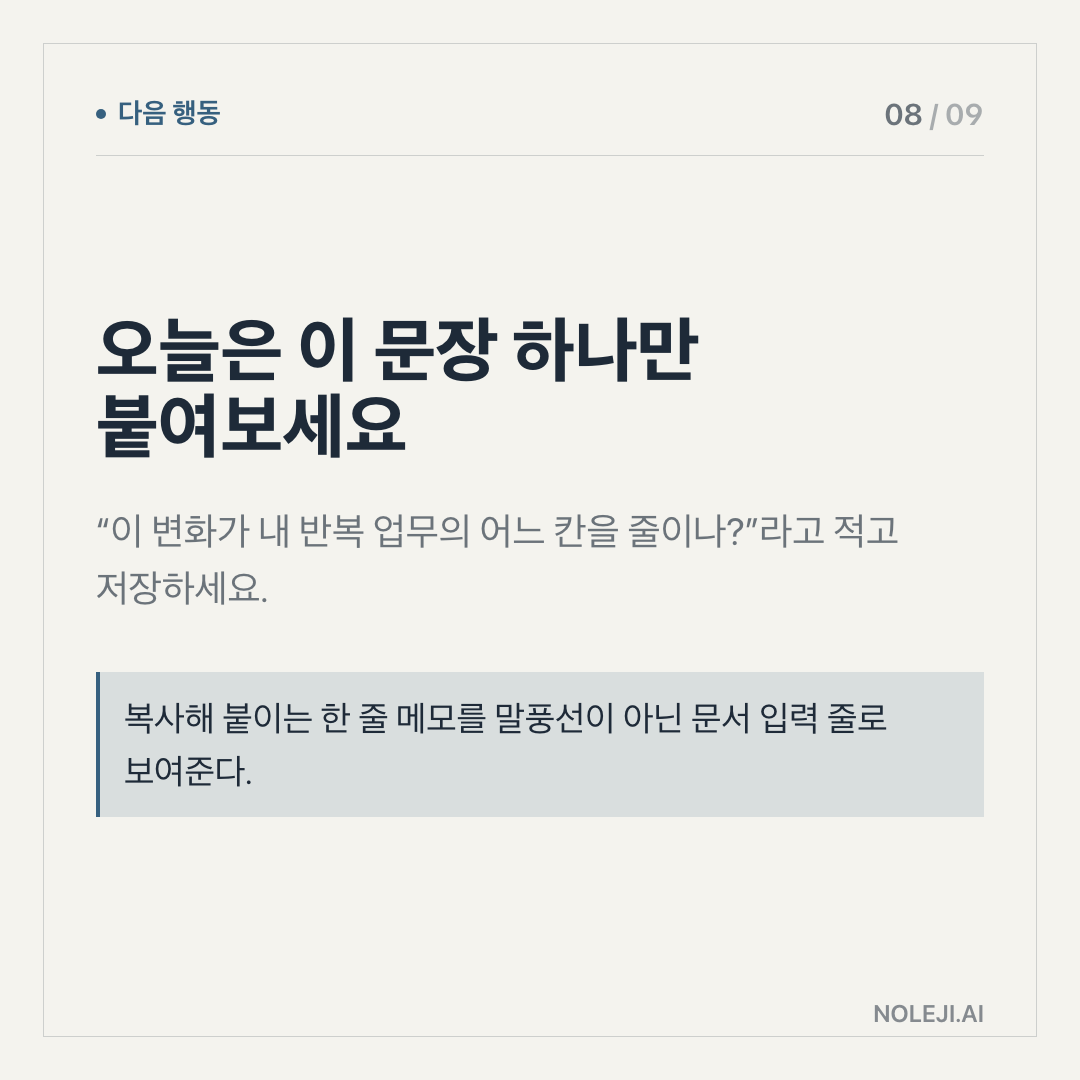
> Copy-paste line: “I will care about this if it changes [my task], for [this person], with evidence from [this source].”
For the Brad Walsh post, my version would be: “I will care about this if it reveals a repeatable workflow change, for non-developer professionals trying to save time, with evidence beyond the original Threads post.”
That is enough for today. Not a conclusion. A clean watchpoint.
For the next piece, I will look at how to turn these watchpoints into a weekly AI reading system that does not become another inbox.
Take-aways
- I once mistook a busy feed for a useful signal
- That is the small failure I see in the Brad Walsh thread today
- My argument is simple: for working professionals, early AI signals are valuable only when they change what you start watching, not when they give you something new to repeat.
→ 한국어 버전 →