"Can it just keep trying while I sleep?"
The useful part was not the agent, but the loop
That was the line I heard from a project manager last week, after she watched an AI tool revise the same brief three times. She did not care about the model name. She cared that the dull part of work had stopped waiting for her attention.
The news.hada.io note on Autoresearch points in the same direction. An LLM agent repeatedly edited `train.py`, ran training, measured the result, kept the useful change, and reverted the bad one. In one reported run, it went through 42 experiments in a day, kept 13 commits, and improved the metric from a validation Mean Rank of 344.68 to 157.43 before later full training results.
My argument is simple: Autoresearch is less important as “AI doing research” than as a preview of a new work habit. The real shift is not that a machine can think for us. It is that more of our work can be shaped into small trials, quick feedback, and disciplined rollback.
The moment it stopped looking like magic
The interesting turn in the story is that the agent did not win by having a grand new idea.
The biggest improvement came from relaxing a temperature clamp, reportedly worth a 113-point Mean Rank gain. Another meaningful gain came from hyperparameter tuning. Those are not glamorous discoveries. They are the kind of patient, slightly boring changes that many teams know they should try, but rarely have the time or attention to repeat carefully.
I have seen the same pattern outside engineering. A sales team says it wants a better outbound message, but it changes the headline, audience, offer, and follow-up timing all at once. A marketing manager wants to improve a landing page, but checks the result after too many variables moved. A freelancer wants to use AI to write faster, but never saves which prompts actually worked.
Autoresearch feels technical because it sits inside machine learning. The habit underneath is ordinary: change one thing, test it, keep a record, undo what failed.
The old research idea that office workers can actually use
The idea behind this is not new. Research has always depended on controlled trials, records, and measurement. AutoML also tried to automate parts of model search long before today’s agent tools became popular.
What feels different now is accessibility. A nondeveloper does not need to build a full research system to borrow the structure. The structure is small enough to fit into daily work.
Here is the practical version I would keep:
| Old habit | Autoresearch-shaped habit |
|---|---|
| Ask AI for one better answer | Ask AI to produce three testable variants |
| Judge by taste | Decide the measurement before editing |
| Change many things at once | Change one variable per round |
| Keep the newest version | Keep the version that beat the baseline |
| Trust the polished output | Save what changed, what improved, and what failed |
This is where I think many AI productivity conversations miss the point. People ask, “Which tool should I use?” That matters less than the operating rhythm around the tool.
If your work has a repeatable output, you can often build a small loop around it. A recruiter can test two outreach openings against reply rate. A teacher can compare two quiz explanations by student mistakes. A consultant can test three executive summary formats against client comments. A newsletter writer can compare subject lines, not by which one sounds clever, but by opens, replies, saves, or paid conversions.
The machine learning example used about 11,000 Ukiyo-eVG images and a CLIP-based model. That is far from the daily life of a nontechnical worker. But the rhythm travels well because it is not really about images or models. It is about turning a vague wish into a measured loop.
The source also gives a useful warning. The agent worked best when the search space was clearly defined. Once it moved into broader architecture changes, its success rate dropped and the process became unstable. That matches my own experience with AI tools. They are often strong when the job is bounded: rewrite this, compare these, extract this, test this. They become less reliable when the goal is loose and the judgment standard is hidden in someone’s head.
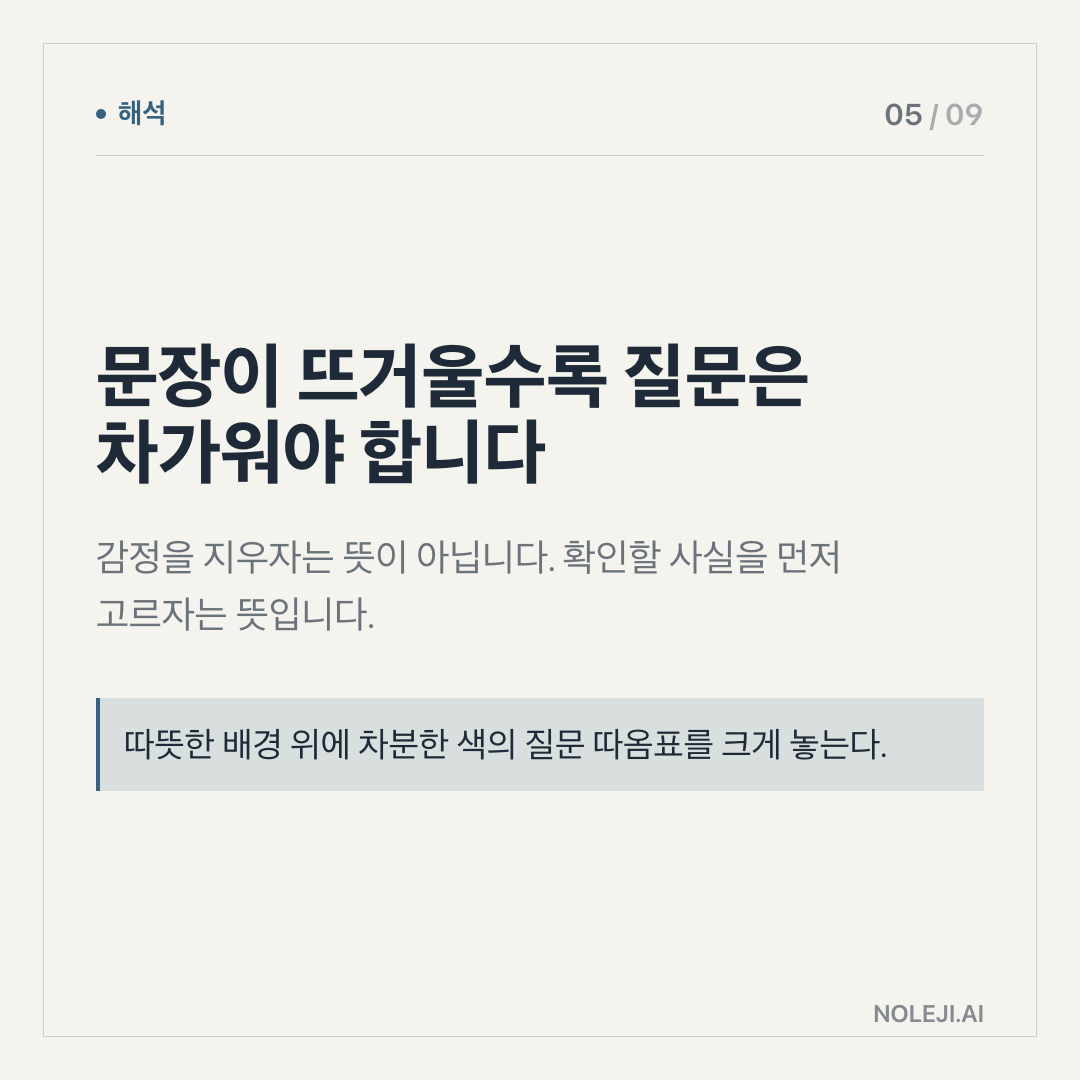
So the small habit change is this: before asking AI to “improve” something, write down what improvement means.
Not beautifully. Not in a strategy document. Just plainly.
For example:
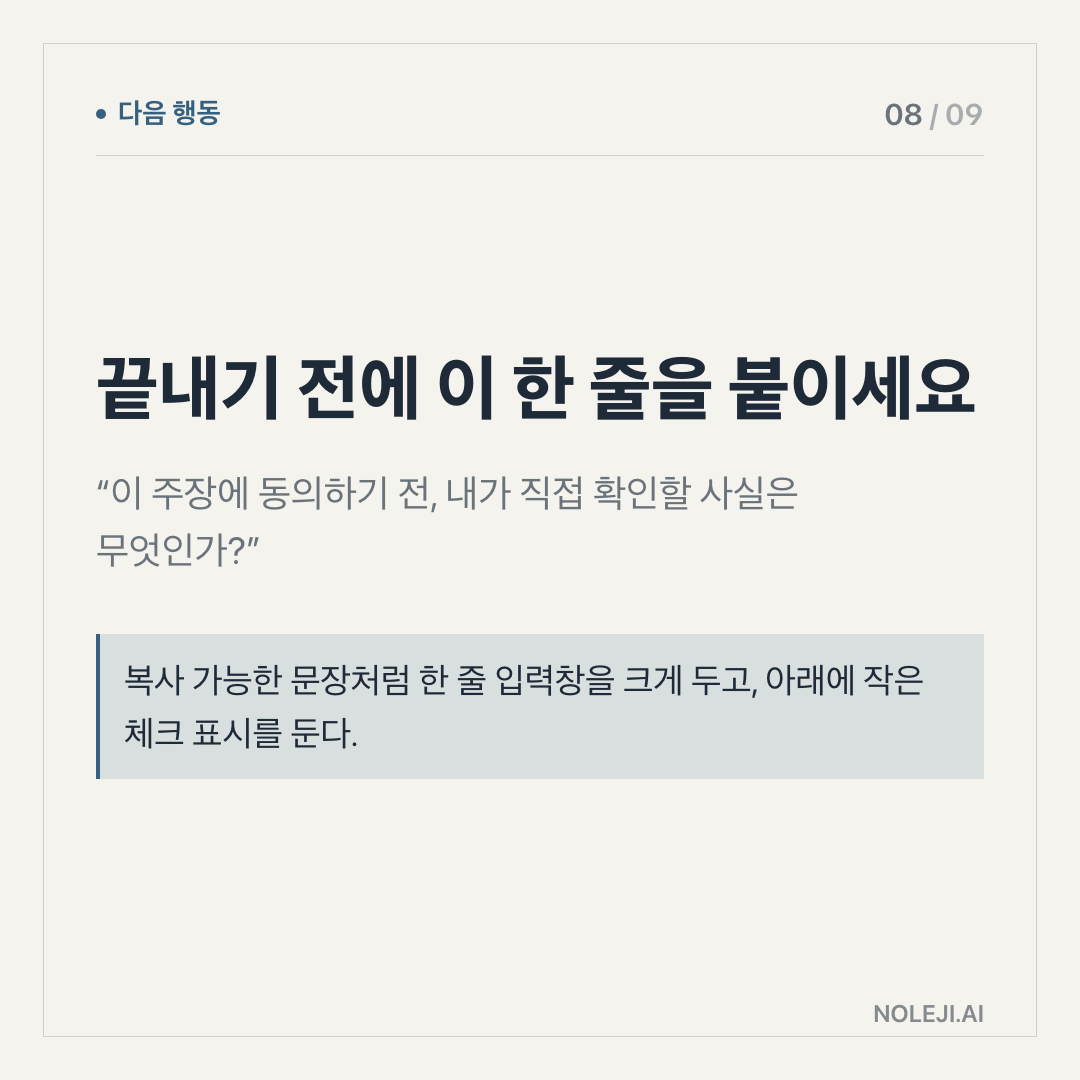
> 복붙용: “Improve this draft in three rounds. In each round, change only one thing, explain what changed, and judge it against this standard: [my standard].”
In English:
> Copy-paste line: “Improve this in three rounds. Change only one variable per round, explain the change, and score it against this standard: [my standard].”
This one sentence does more than make the AI obedient. It makes you clearer. It forces you to name the standard you were probably carrying around vaguely.
The loop fails when the score is wrong
There is a hard limit here, and it matters.
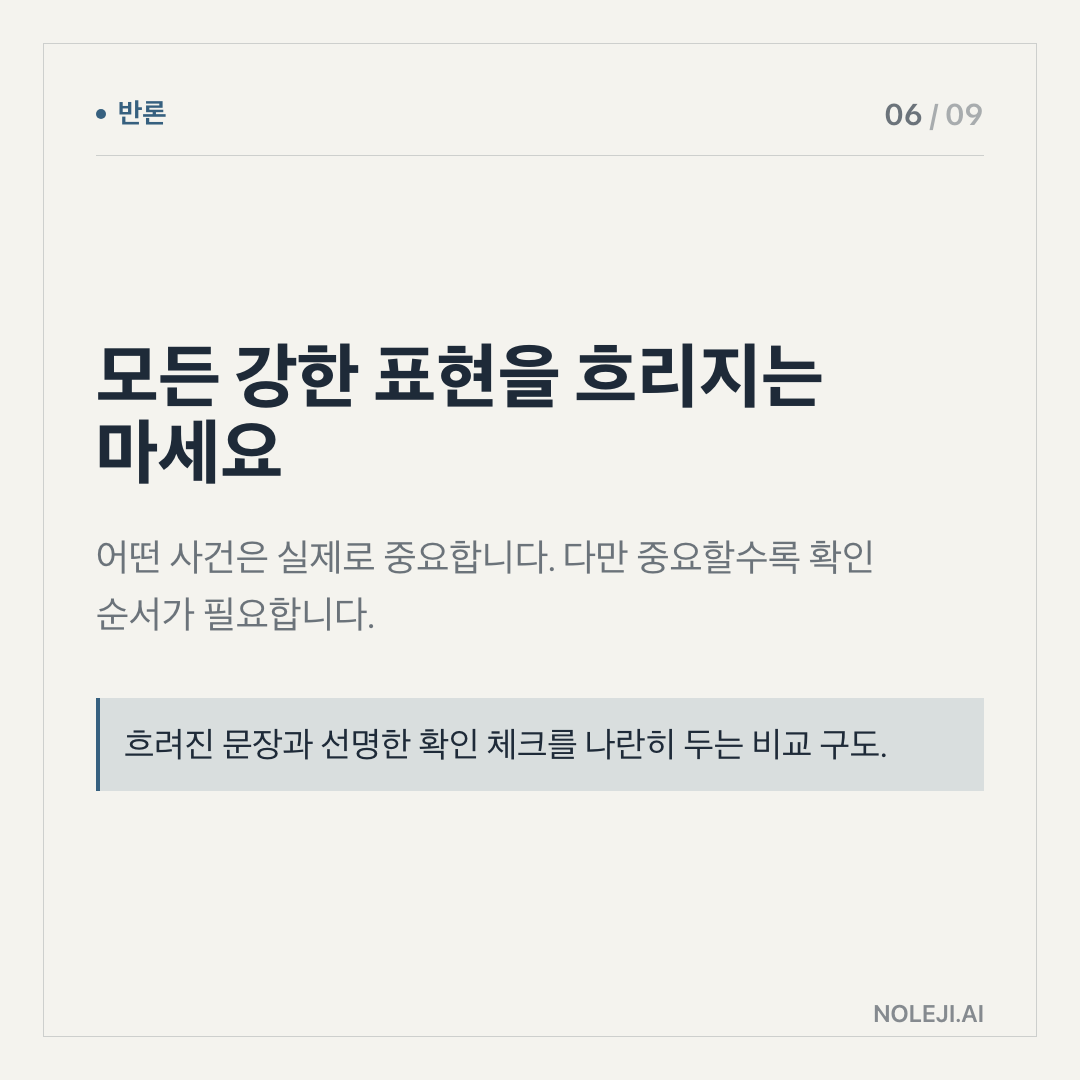
If the measurement is bad, automation only helps you move faster in the wrong direction. In the Autoresearch case, the note itself mentions that Mean Rank was used for intuitive judgment, while Median Rank may have been a better fit because it is less sensitive to outliers. That is not a small detail. The whole loop depends on whether the score rewards the right behavior.
In office work, this happens all the time. If a team optimizes only for email open rate, it may write louder subject lines and attract the wrong readers. If a support team optimizes only for reply speed, it may close tickets quickly but leave customers confused. If a writer optimizes only for clicks, the article may become easier to enter and less worth finishing.
I would not hand sensitive judgment work to a loop like this. Hiring decisions, medical interpretation, legal risk, brand positioning, and anything involving people’s dignity need more than quick iteration. AI can prepare options, expose blind spots, and keep records. It should not quietly define what “better” means.
That is why I see Autoresearch as a work-design lesson, not a promise of autonomous expertise.
Try one measured loop before chasing another tool
Today’s step is small: choose one piece of repeatable work you already do, and run it as a three-round loop.
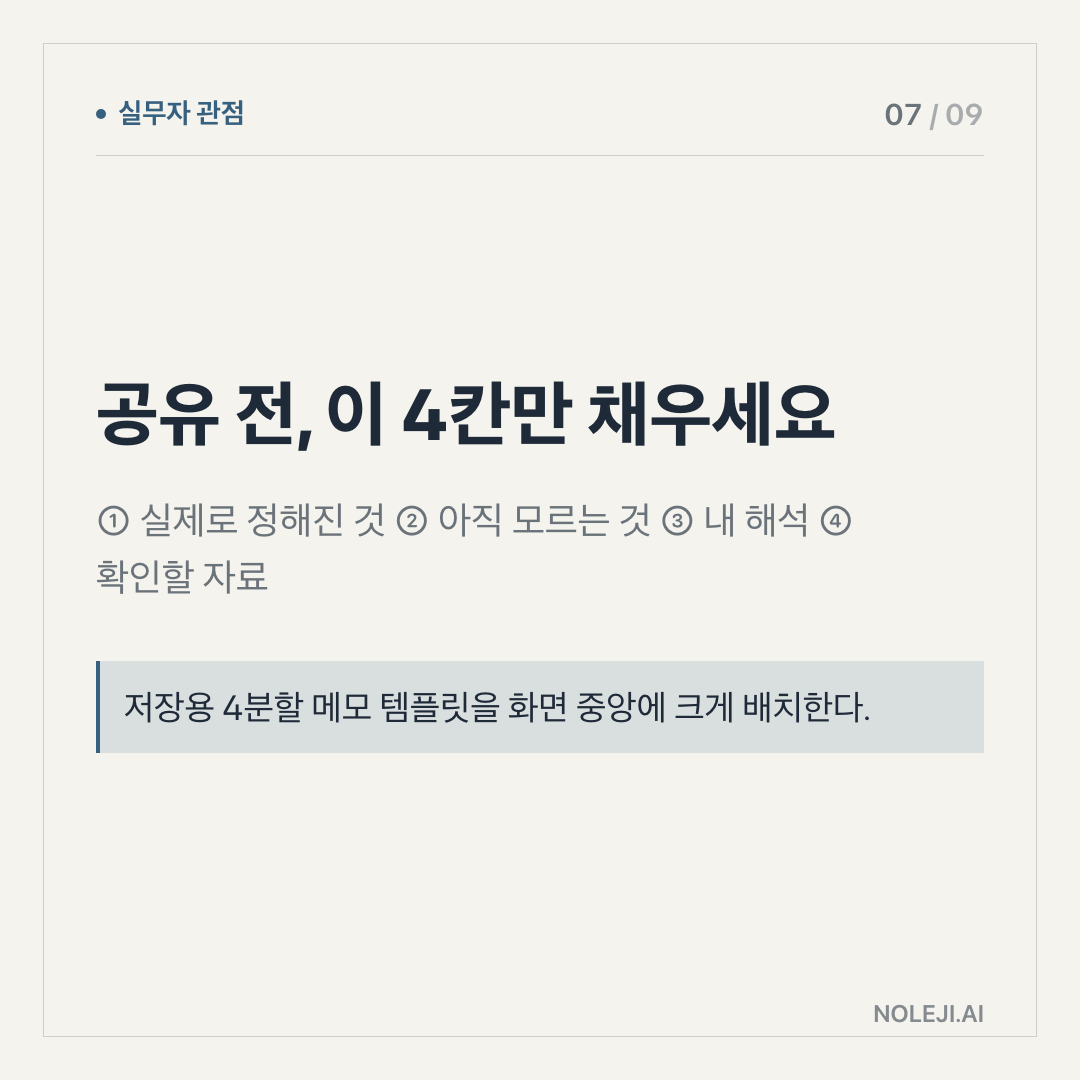
① Pick one output: an email, proposal intro, meeting summary, lesson plan, sales message, or weekly report. ② Define one score before improving it: clarity, reply likelihood, number of edits needed, time saved, or reader action. ③ Ask AI for three rounds, changing only one variable each time. Keep the winner and write down why it won.
Do not start with your most important work. Start with something low-risk and frequent. The point is not to prove that AI is smart. The point is to build the muscle of testing small changes instead of endlessly polishing from instinct.
Primary next step: save the copy-paste line above and use it once this week on a real recurring task.
다음 편에서는 이 작은 loop를 개인 업무용 “AI 작업 노트”로 남기는 방법을 다루겠습니다: 어떤 기록은 남기고, 어떤 기록은 과감히 버려야 하는지.
Take-aways
- "Can it just keep trying while I sleep?"
- That was the line I heard from a project manager last week, after she watched an AI tool revise the same brief three times
- The news.hada.io note on Autoresearch points in the same direction
→ 한국어 버전 →