I once confused a noisy detail with a usable fact
I once turned a striking science line into a meeting example too quickly. The phrase sounded concrete, so I treated it as if the underlying finding was already clear. It was not.
That is the small mistake I want to avoid here: a “creaky noise” may be memorable, but before we use it in a slide, a lesson, a product idea, or a workplace analogy, we need to check what the source actually supports.
The trap is thinking vivid language means strong evidence
A lot of non-technical readers do this. I do it too when I am tired.
We see a compact science post, especially from a familiar name like New Scientist, and our brain fills in the missing parts. “Creaky noise” sounds physical. It feels observable. It seems easier to trust than a vague trend word.
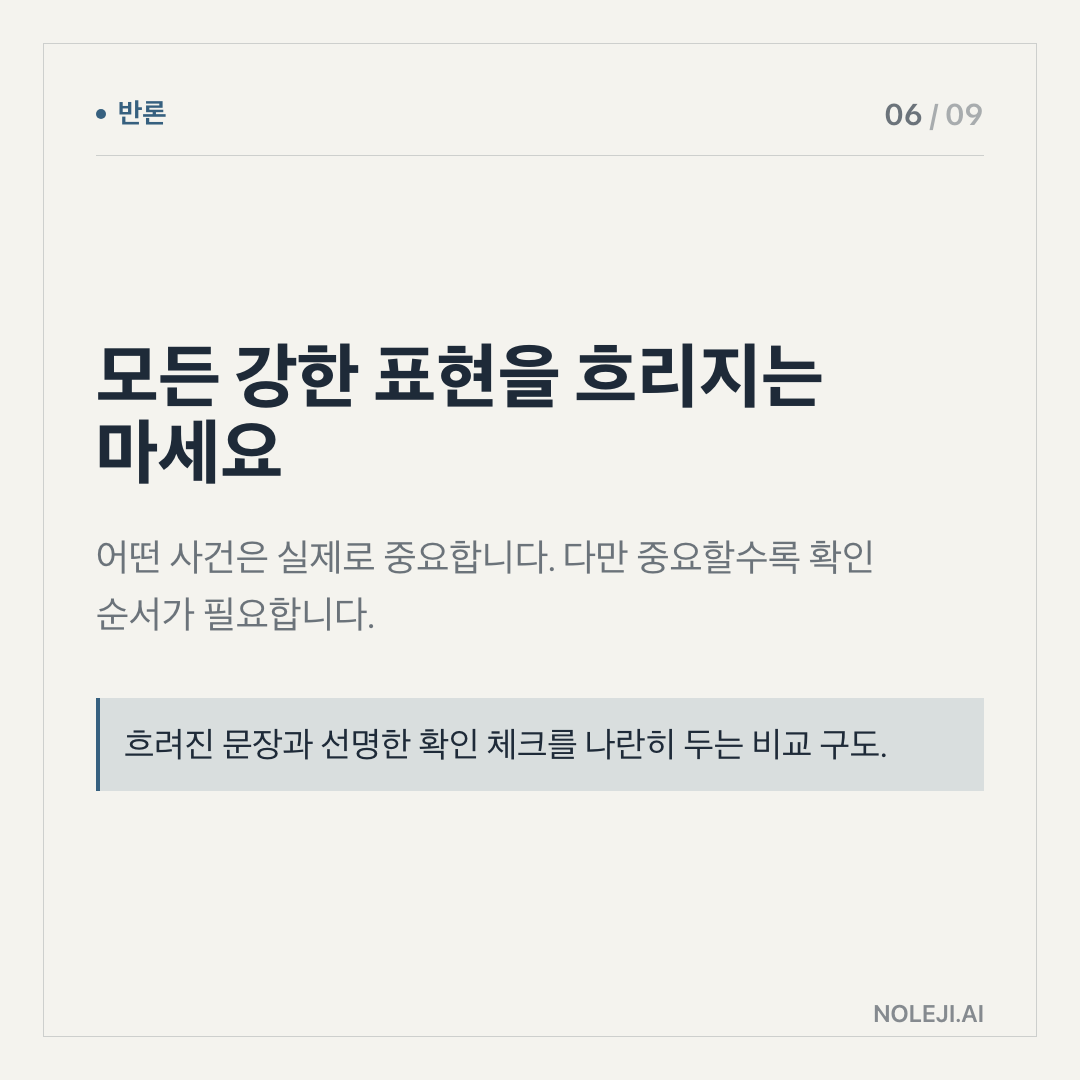
But that is exactly where the risk sits. A vivid phrase can make an early finding feel more settled than it is. In office language, it is like hearing one customer complain about a “strange clicking sound” in a product and immediately writing a company-wide process memo. The complaint may matter. It may even reveal a real flaw. But first we need to know whether it happened once, often, under controlled conditions, or only in a narrow setup.
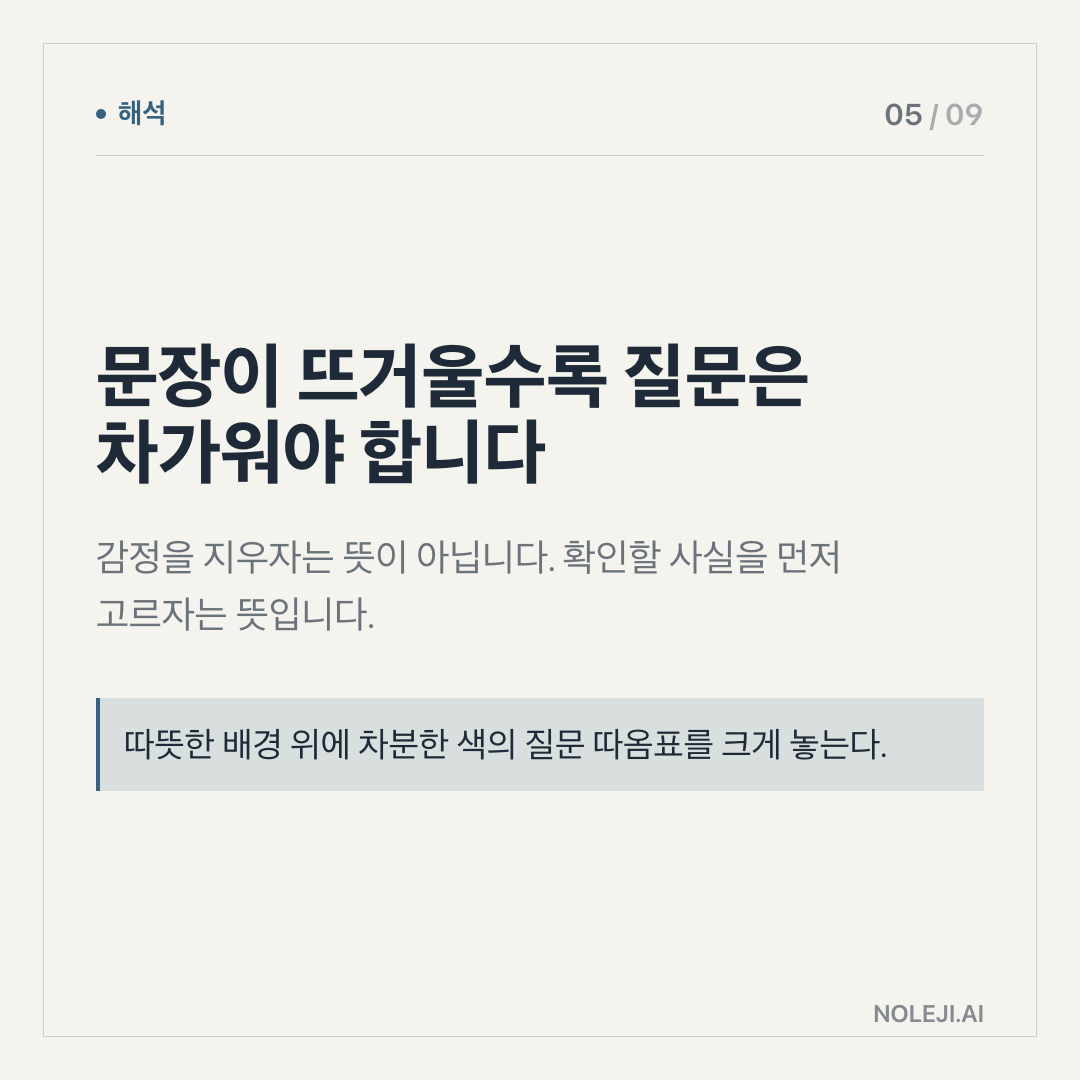
My thesis is simple: the more memorable the science hook is, the slower we should be before turning it into practical advice.
Treat the creak as a question, not an answer
The available source for today is a New Scientist Threads post. That matters because it tells us the item is being surfaced by a science publication, but it does not by itself give us the full chain of evidence: the original study, sample size, method, limits, replication status, or what exactly changed.
So the useful move is not to ignore it. The useful move is to downgrade it from “fact I can use” to “claim I should inspect.”
Here is the checklist I would keep before using this kind of item anywhere public or professional:
| Check before using it | Why it matters | What I would write if unclear |
|---|---|---|
| What made the noise? | A sound can come from a material, a machine, an animal, a joint, a model, or a measurement device. Each means something different. | “The source points to a reported creaky noise, but the mechanism is not clear from the short post.” |
| Was it measured or just described? | A measured signal carries different weight from a verbal observation. | “The available note does not show the measurement setup.” |
| How many cases were observed? | One example can suggest a lead; many cases can support a pattern. | “The brief does not provide a sample size.” |
| Who is affected first? | A finding may matter to researchers, engineers, clinicians, consumers, or no one yet. | “This is still more useful as a watch item than as guidance.” |
| What would change if it is true? | If nothing changes in behavior, the item is interesting but not urgent. | “The practical consequence still needs confirmation.” |
This is not academic caution for its own sake. It is a work habit.
Most of us now live inside a constant stream of small technical claims: an AI model does something new, a lab finds an unexpected pattern, a device behaves oddly, a material makes a strange sound, a system shows an early warning sign. The pressure is to react. Save it. Share it. Build a take from it.
But good future-preparation is less dramatic than that. It is building small systems for not fooling ourselves.
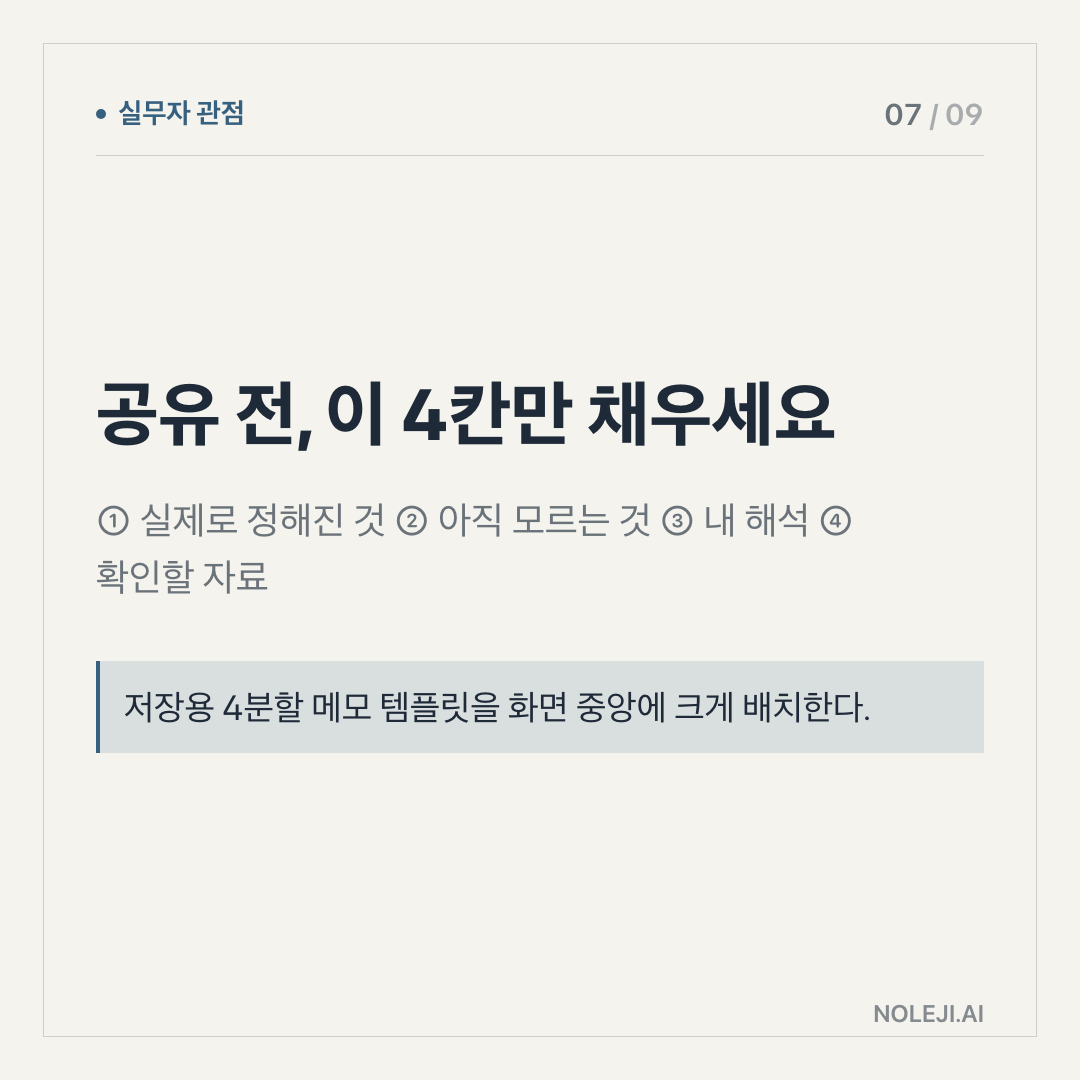
For me, that system is a three-line translation rule:
① What exactly happened? ② What can I safely do with this information today? ③ What would I need to verify before repeating it as advice?
Applied here, the answer is modest. Something described as a “creaky noise” may be worth attention because physical irregularities often reveal stress, wear, mismatch, or hidden behavior. But with only the short source note available, I would not turn it into a broad claim. I would use it as a prompt to inspect the underlying report.
That distinction saves time. It also protects credibility.
Sometimes the practical answer is: do not use it yet
There are cases where this approach feels too slow.
If you are a researcher already working in the same field, you may be able to infer the context from the New Scientist post and quickly find the original paper. If you are writing an internal “interesting signals” memo, a short mention may be enough. If the item is only being saved for later reading, you do not need a full evidence audit.
But if you are about to use it to persuade someone, teach a lesson, justify a decision, or create a claim in public, the bar is higher.
I would not write “this proves that…” from today’s evidence. I would not make it a workplace rule. I would not use it as a confident example of where science or AI is going without checking the original source first.
That may sound conservative. I think it is practical. Non-developers already have enough noise to sort through. We do not need to turn every interesting post into a conclusion.
Save this line before you share the post
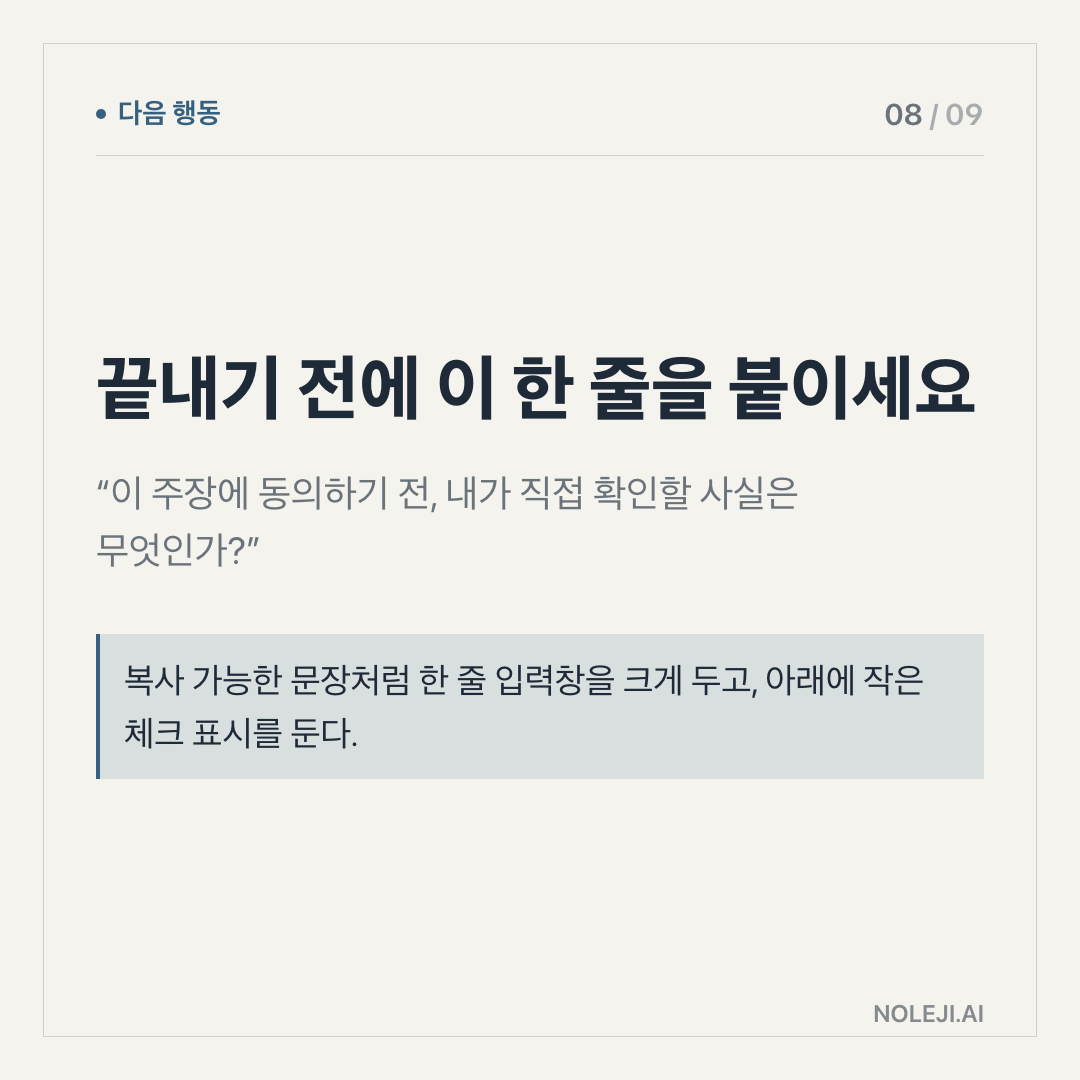
Here is the line I would copy into a note before using this item:
> “This is interesting enough to investigate, but the short source does not yet show the mechanism, scale, or practical consequence.”
That one sentence keeps the door open without overstating the case.
Today’s next step: if this caught your attention, look for the original New Scientist article or study behind the Threads post before turning the “creaky noise” into an example.
Next piece: how to read short science posts without either dismissing them too quickly or trusting them too easily.
Take-aways
- I once turned a striking science line into a meeting example too quickly
- That is the small mistake I want to avoid here: a “creaky noise” may be memorable, but before we use it in a slide, a lesson, a product idea, or a workplace analogy, we need to check what the source actually supports.
- A lot of non-technical readers do this
→ 한국어 버전 →