I once mistook a post for a plan
I have made this mistake before. I saw a short service update, caught the “we just…” energy, and treated it like something my team needed to react to the same day.
That was the wrong move. The post was real, but my conclusion was too fast.
The thesis I would defend today is this: for most non-developer workers, a fresh service update is not useful because it is new. It is useful only when it changes a task you already repeat.
The trap is thinking speed means understanding
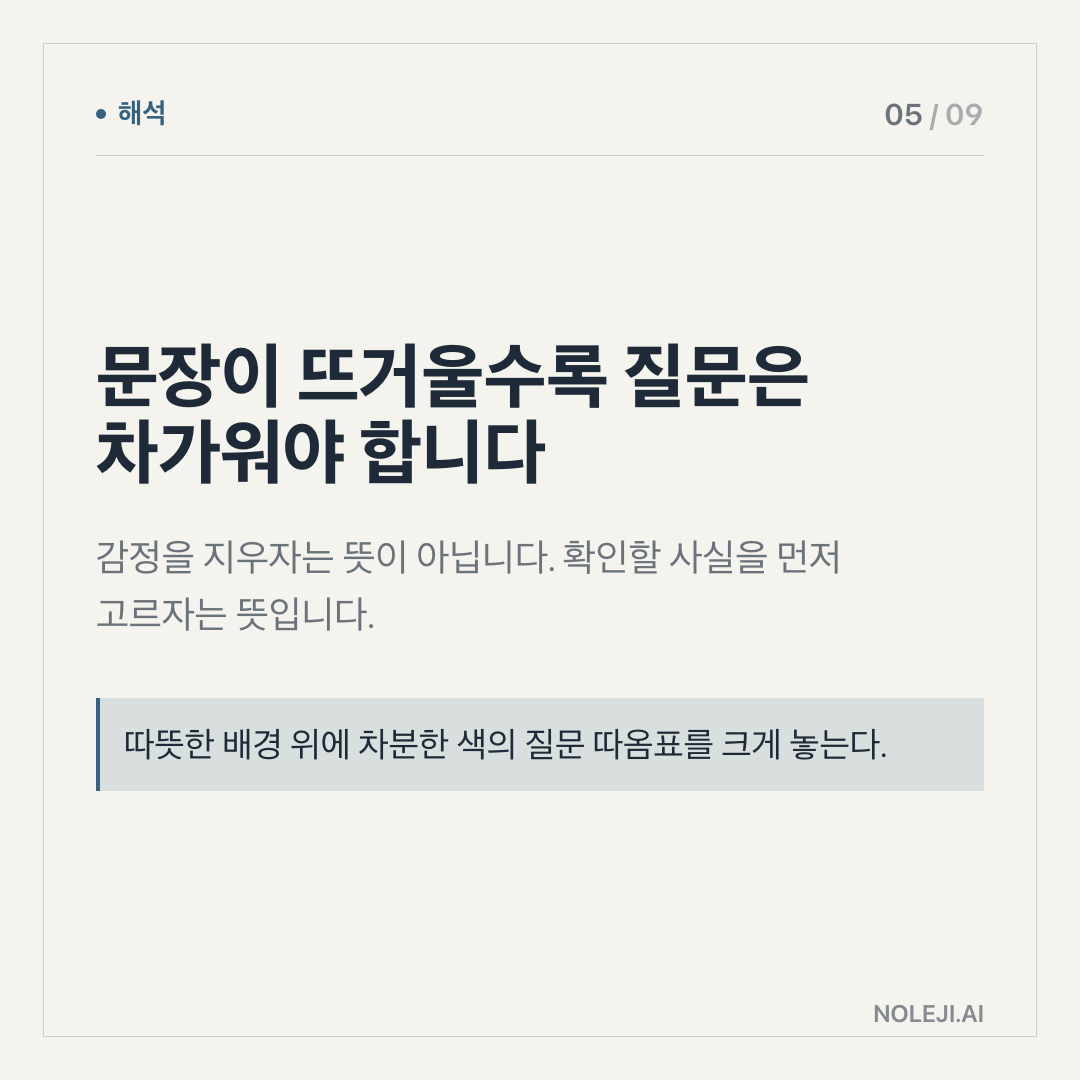
A lot of people read service news like weather alerts. Something appeared, so we feel behind. A company posted, so we assume a workflow has shifted.
That is where the anxiety starts.
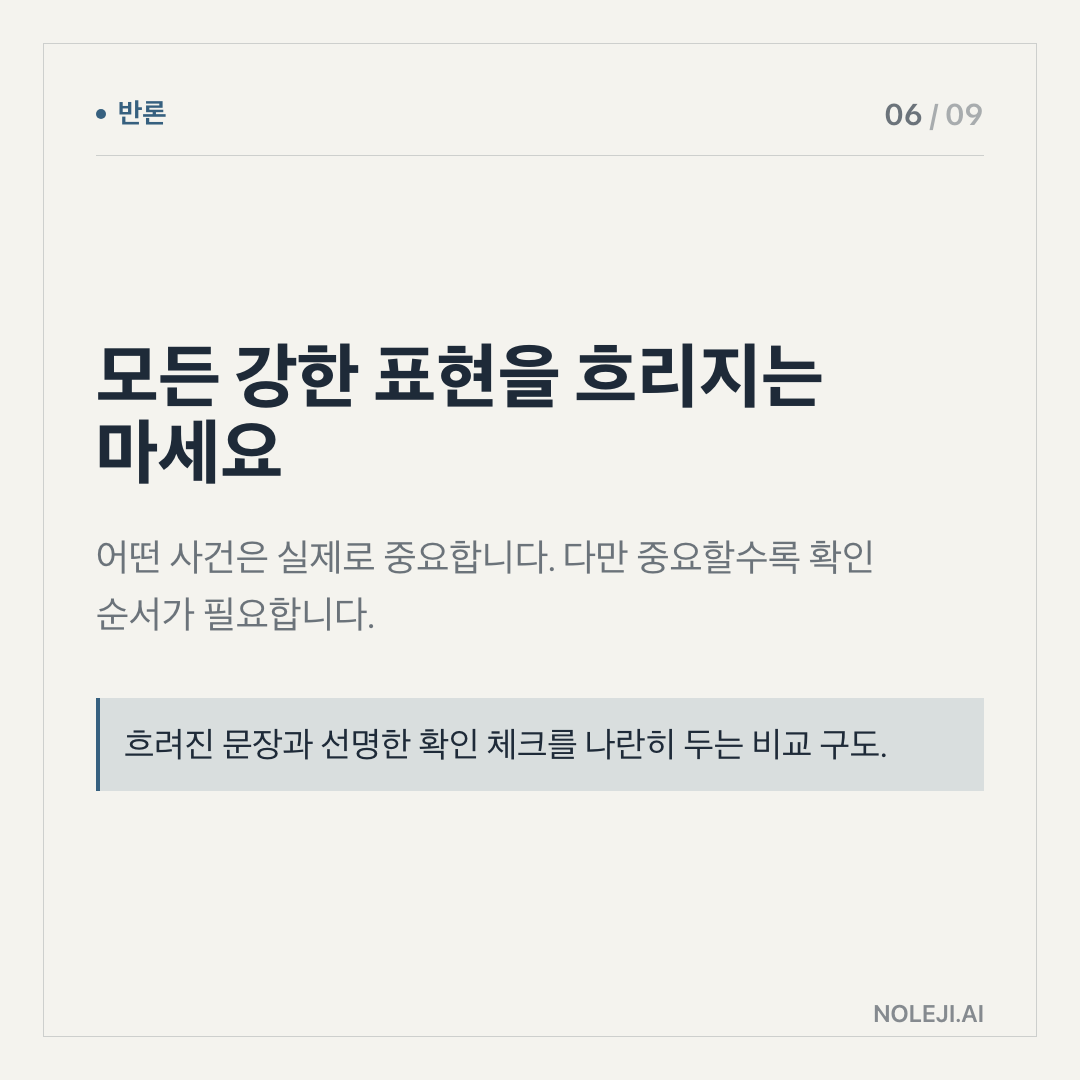
But a Threads post is a thin surface. In today’s brief, the only referenced evidence is one public Threads URL from www.threads.com. That may be enough to notice that something is being discussed. It is not enough, by itself, to decide that your tools, budget, or work routine should change.
I say this as someone who uses automation mostly to protect calendar space, not to chase every tool update. If a new service does not remove a repeated step, shorten a decision, or reduce the chance of a mistake, it is still just information.
The better question is not “what happened?” but “what would I stop doing?”
Here is the practical test I use now.
When a service-related update crosses my desk, I do not start by asking whether it is impressive. I ask what old behavior it could replace.
That sounds small, but it changes the whole reading. A vague “we just launched” post becomes less distracting. A feature claim has to prove itself against a real workday: inbox sorting, client follow-ups, meeting notes, research capture, weekly reporting, expense checks, file naming, handoff messages.
For a non-developer office worker, automation is not magic. It is a quiet trade: I give the system a repeatable rule, and I get back a few minutes of attention.
Here is the table I would keep next to this kind of update:
| What to check | Bad reaction | Better question |
|---|---|---|
| Source depth | “It was posted, so it matters.” | Is there anything beyond one short post? |
| Workflow fit | “Maybe we should try it.” | Which repeated task would this replace? |
| Evidence | “The wording sounds confident.” | What screenshot, changelog, demo, or user case confirms it? |
| Cost of switching | “New means better.” | What would break if we adopted it this week? |
| Time saved | “It feels efficient.” | Does it save 15 minutes every week, or only look neat once? |
The 15-minute number is my own rough threshold. If a service update cannot plausibly save me at least that much every week, I file it as “watch later,” not “change process.”
This is also where a single source matters. One Threads post can point us toward a claim, but it cannot carry the full weight of a decision. I would want at least one of these before acting: official product documentation, a changelog, a demo that shows the actual workflow, or a user report from someone doing similar work.
Without that, the honest version is simple: something may have changed, but we do not yet know whether it matters.
This test fails when the work is already broken
There is one case where I would move faster.
If your current process is already painful, even weak evidence can be worth a small experiment. For example, if your team loses client requests in chat every week, a new service that promises better capture might deserve a 30-minute trial. Not adoption. A trial.
The limit is important. I would not connect sensitive accounts, move a whole team, or change a paid workflow based on one social post. That is not caution for its own sake. It is basic damage control.
Small automation should reduce fragility. If testing the tool creates more risk than the original problem, the tool is not helping yet.
Use a two-step filter before you care
Here is the version I would actually use today:
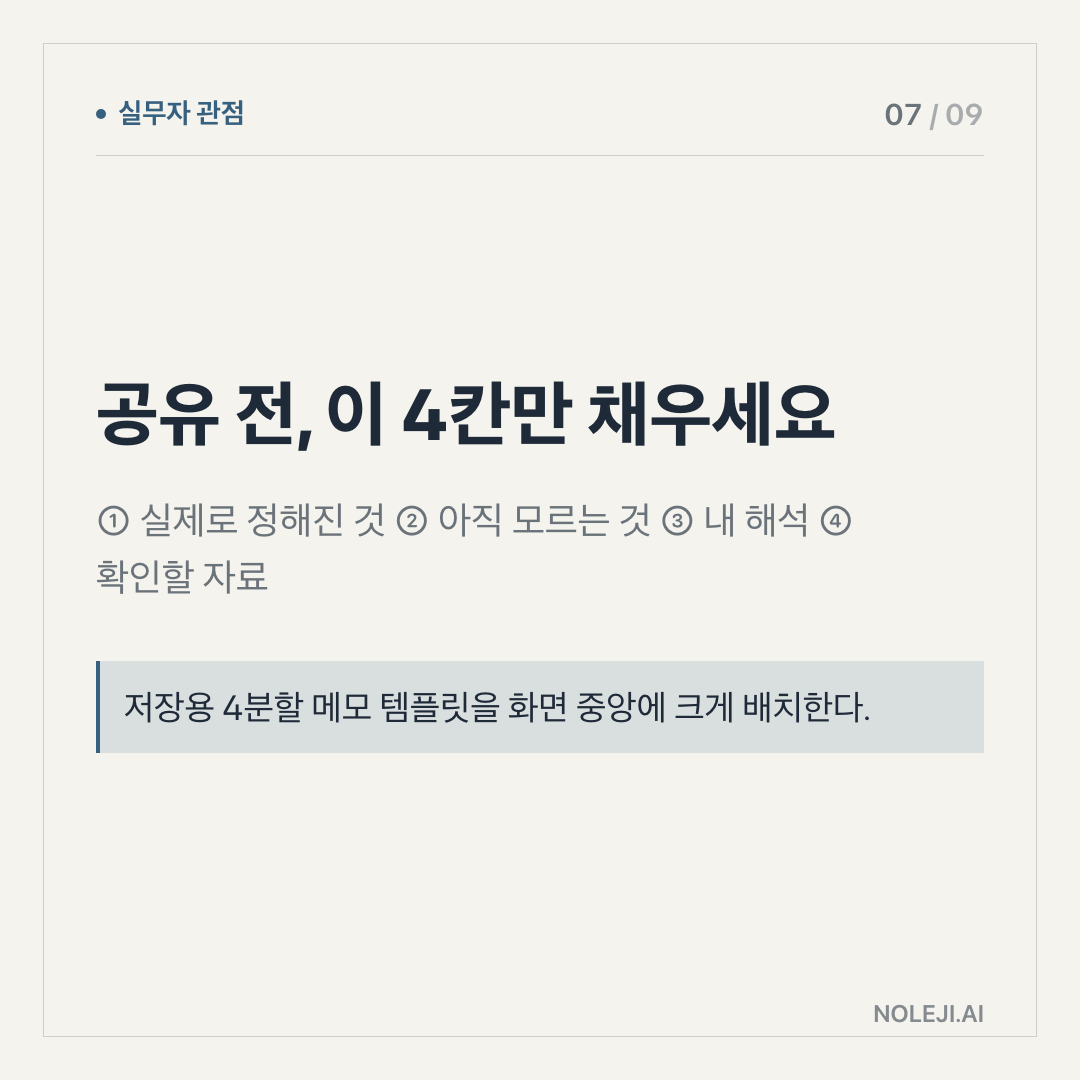
① Name one task this update might affect. ② Ask what proof would make you trust it. ③ If both answers are vague, save the post and move on.
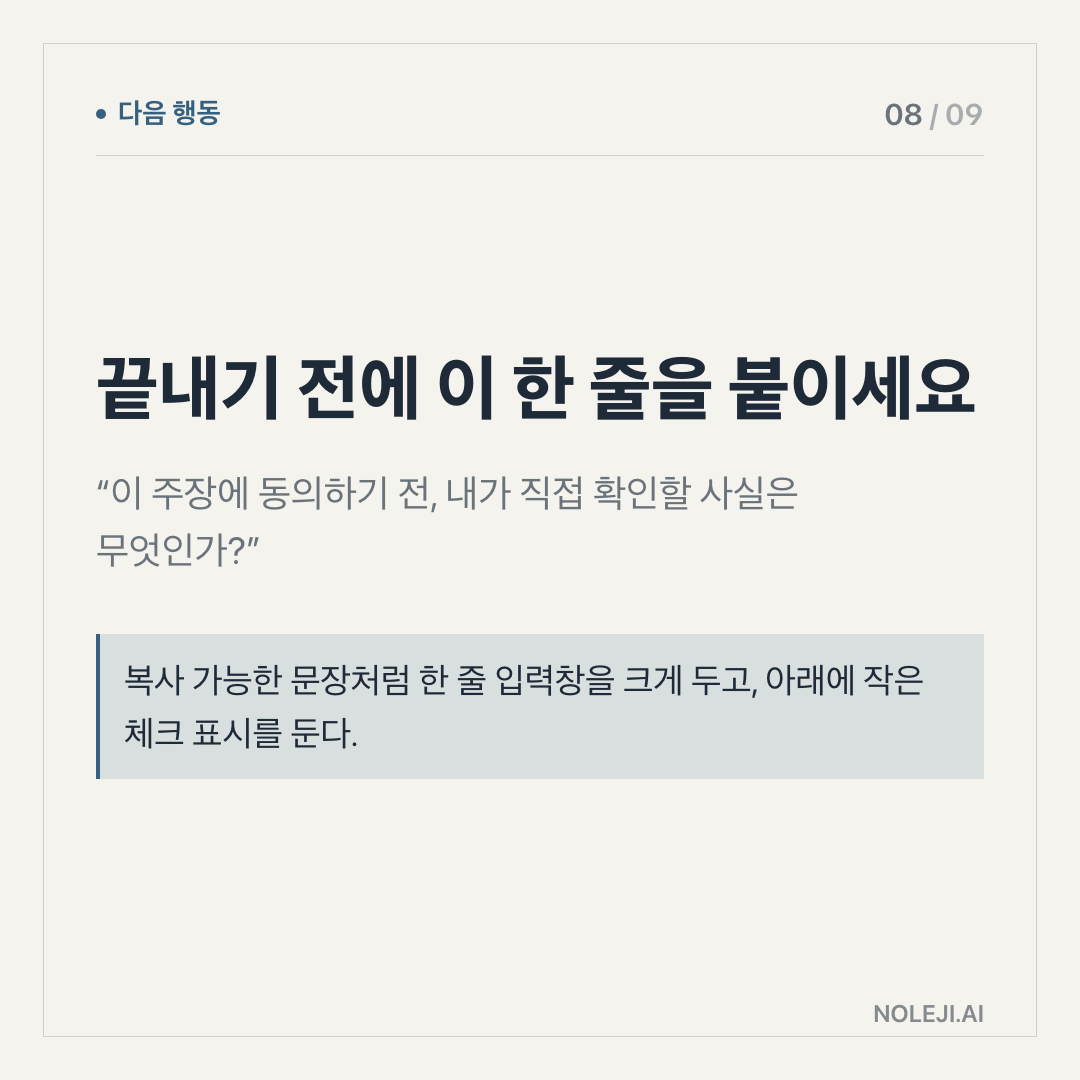
복붙용 line I keep for my own notes:
> “Interesting, but not actionable until it replaces a repeated task or comes with stronger evidence.”
The primary next step: save this brief as a check-before-react filter for the next service update you see.
Next piece: I will look at how to separate “worth testing” from “worth adopting,” because those two decisions should not happen on the same day.
Take-aways
- I have made this mistake before
- That was the wrong move
- The thesis I would defend today is this: for most non-developer workers, a fresh service update is not useful because it is new
→ 한국어 버전 →