Everyone says vocal fry is a young woman’s problem
Everyone says vocal fry is a young woman’s problem. The science cue we have today points the other way.
New Scientist’s Threads post highlights a quote from Lisa Davidson at New York University: the “creaky” low-register sound is reported as more common in men, even though public irritation usually lands on young women. That matters at work because voice criticism often arrives dressed as professionalism. I have seen it happen in meetings: the comment is about “presence,” but the target is often someone’s age, gender, accent, or confidence style.
My thesis is simple: the useful lesson here is not “stop noticing voices.” It is that many workplaces mistake listener bias for communication advice, then waste time coaching the wrong person.
The neat advice is “sound more professional.” That is where the trap starts
A lot of office advice treats speech like slide formatting. Lower your filler words. Straighten your tone. Remove the creak. Speak with authority.
Some of that helps. I translate technical trends for non-developers, and I care about clarity. A messy explanation can bury a good idea.
But voice is not the same as clarity. A person can speak in a low, creaky register and still give precise instructions. Another person can sound polished and still say nothing useful for seven minutes. I have sat through both.
The trap is that “professional voice” feels objective when it often is not. If the same vocal feature is heard as relaxed in one speaker and irritating in another, the feature is not the whole story. The listener is part of the system.
That is the part many teams skip because it is less comfortable than telling one employee to “work on delivery.”
Check the judgment system before you fix the speaker
The supplied evidence is narrow: one New Scientist Threads post, pointing to a claim about vocal fry being more common in men than its stereotype suggests. So I would not turn this into a grand rule about speech science. I would use it as a practical warning label.
When a small piece of science contradicts a popular complaint, the first move is not to overreact. The first move is to check what the complaint is doing.
Here is the office version.
| What people say | What to check before acting |
|---|---|
| “She sounds unsure.” | Did she give unclear facts, or did her pitch simply not match your idea of authority? |
| “His voice is relaxed.” | Would you describe the same sound as lazy if it came from a junior woman? |
| “They need executive presence.” | Which exact behavior blocked the work: pace, structure, evidence, volume, or just style? |
| “Clients may not like it.” | Has a client actually said that, or are we pre-editing someone based on a fear? |
| “It is distracting.” | Is the distraction shared by the room, or mostly by one senior listener? |
This is not political correctness. It is operational hygiene.
If your team gives vague feedback, people cannot improve. “Your voice sounds creaky” gives someone almost nothing to work with except self-consciousness. “Start with the recommendation, then give two supporting facts, then stop” is usable. One comment creates anxiety. The other creates a repeatable system.
I use this distinction when I edit my own explanations. If I say, “AI automation saves time,” that is too smooth to be useful. If I say, “Use automation to remove the three recurring tasks you already do every Friday,” someone can act on it.
Voice feedback should pass the same test. If it cannot become a concrete next action, it may be a preference pretending to be advice.
There is also a time cost. A manager can spend weeks trying to sand down someone’s natural voice. Or the team can build a better meeting script in one afternoon: decision first, context second, risk third, owner last. That is the kind of small system that protects time.
I would rather fix the structure than police the throat.
This does not mean delivery never matters
There are cases where voice does affect the work. If a person speaks too softly to be heard on a call, rushes through safety instructions, or uses intonation that makes decisions hard to distinguish from guesses, coaching is fair.
I would also be careful in client-facing roles where trust is built quickly and the room has little context. Delivery can become part of the product.
But even there, the standard should be specific. “Speak louder into the microphone” is fair. “Pause after the recommendation” is fair. “Use shorter sentences for the finance team” is fair.
“Sound less annoying” is not coaching. It is a transfer of discomfort from the listener to the speaker.
The harder case is when the feedback is partly true but badly framed. I have given that kind of feedback before and later regretted the wording. The useful part was about structure. The careless part was about style. Those two got mixed together because style was easier to name in the moment.
That is why I now prefer a slower test before giving communication feedback: can I point to the work impact without mentioning identity, age, accent, or taste? If not, I wait.
Use this 3-minute filter before the next meeting feedback
Before you tell someone their voice needs work, run this quick check.
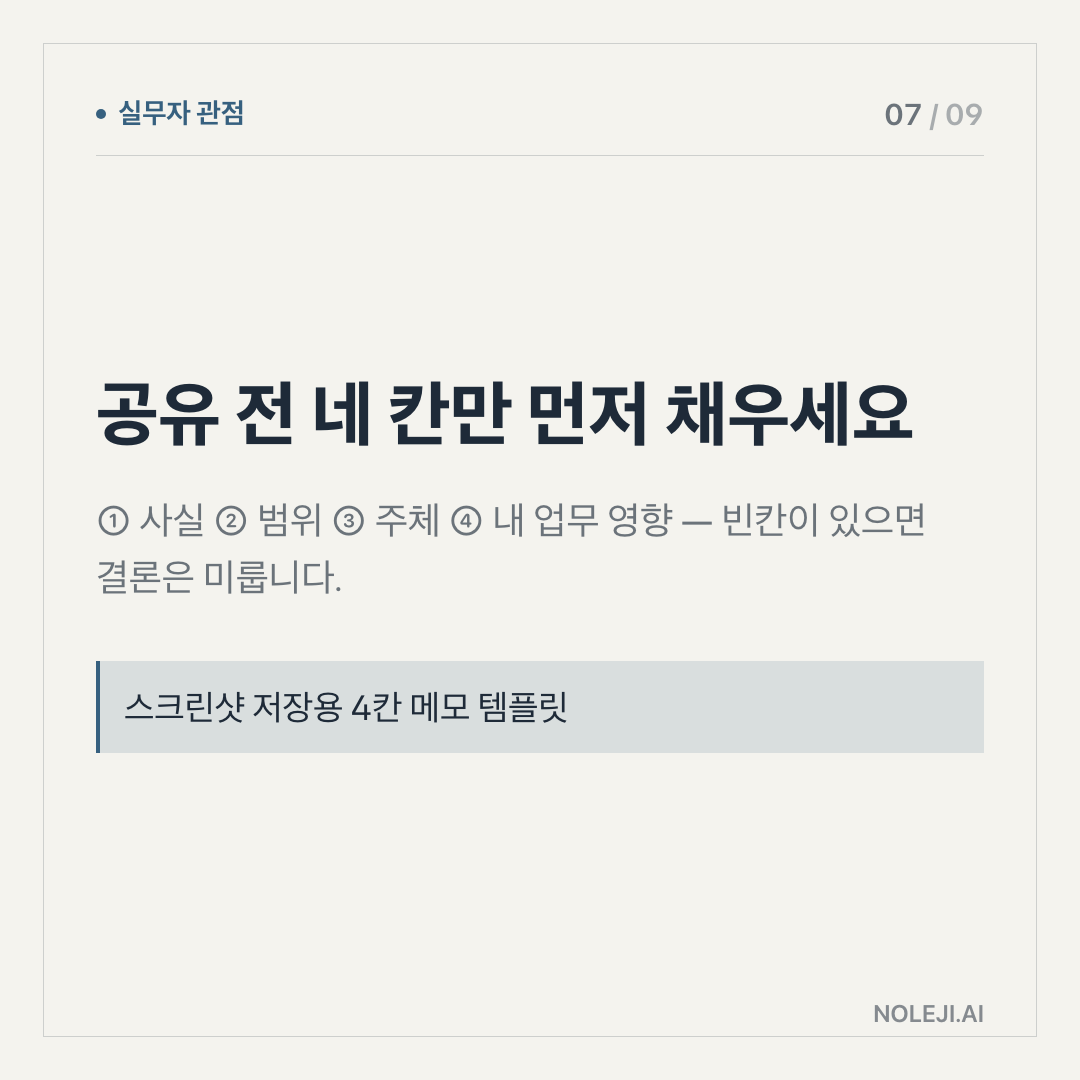
① Name the work problem Was a decision delayed, a client confused, a handoff missed, or a room unable to hear?
② Remove the identity label If you deleted age, gender, accent, and personality from the sentence, would the feedback still stand?
③ Turn it into a repeatable action Can the person do something different next time in under five minutes of preparation?
④ Compare across speakers Would you give the same note to a senior man, a junior woman, a non-native speaker, and a quiet colleague?
⑤ Fix the meeting system first If a clearer agenda, decision template, or written follow-up would solve it, start there.
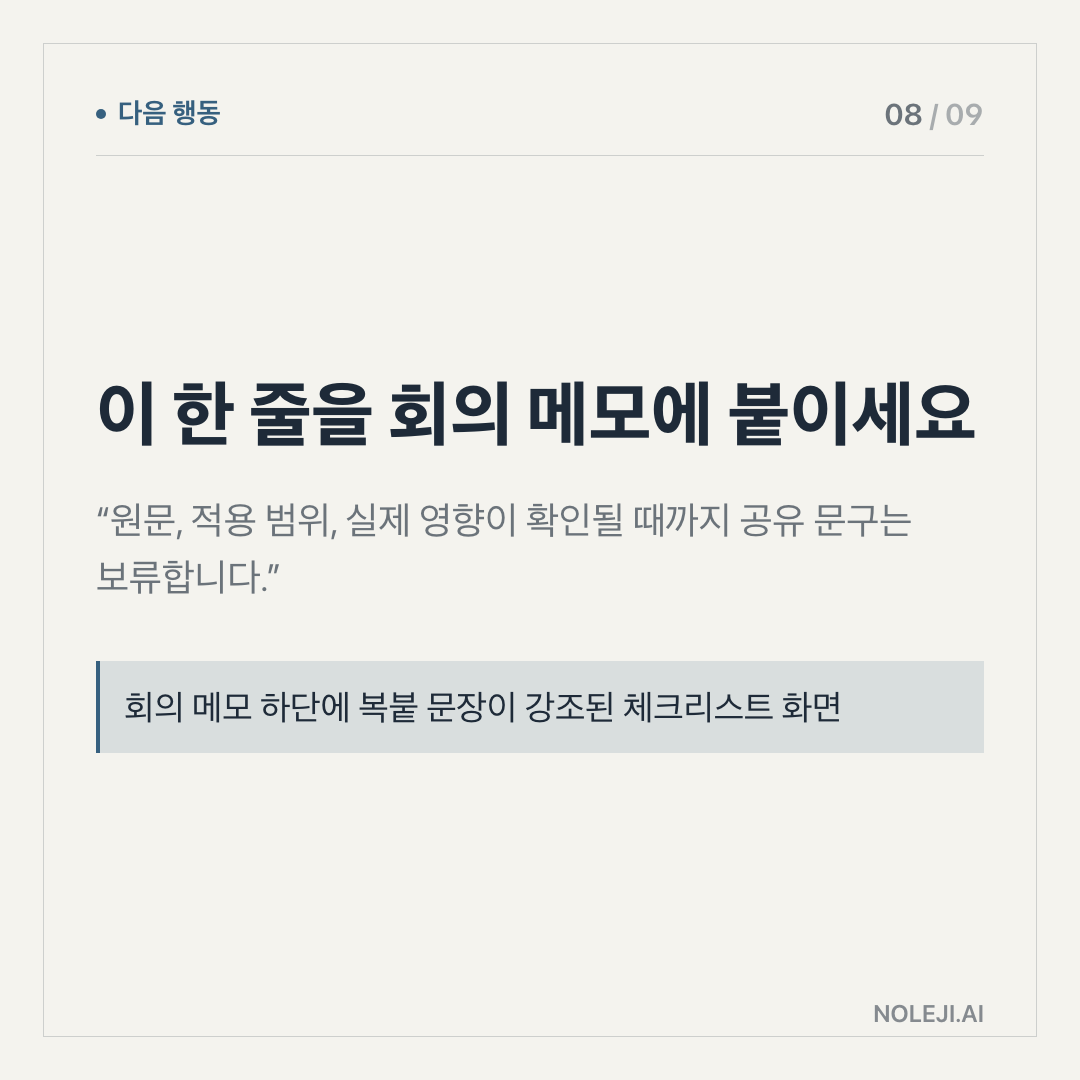
복붙용 line for managers:
> “The issue is not your voice itself. The part we need to improve is this: lead with the decision, give two facts, and pause before asking for input.”
My next step for you is simple: save the table and use it the next time “professionalism” shows up as feedback.
Next piece: the same test applied to AI productivity claims — how to tell whether a tool is saving time, or just making busy work look modern.
Take-aways
- Everyone says vocal fry is a young woman’s problem
- New Scientist’s Threads post highlights a quote from Lisa Davidson at New York University: the “creaky” low-register sound is reported as more common in men, even though public irritation usually lands on young women
- My thesis is simple: the useful lesson here is not “stop noticing voices.” It is that many workplaces mistake listener bias for communication advice, then waste time coaching the wrong person.
→ 한국어 버전 →