“Did you see what the GOP just did?”
That was the line I heard, not from a policy analyst, but from someone trying to get through a normal workday between Slack pings and a late lunch.
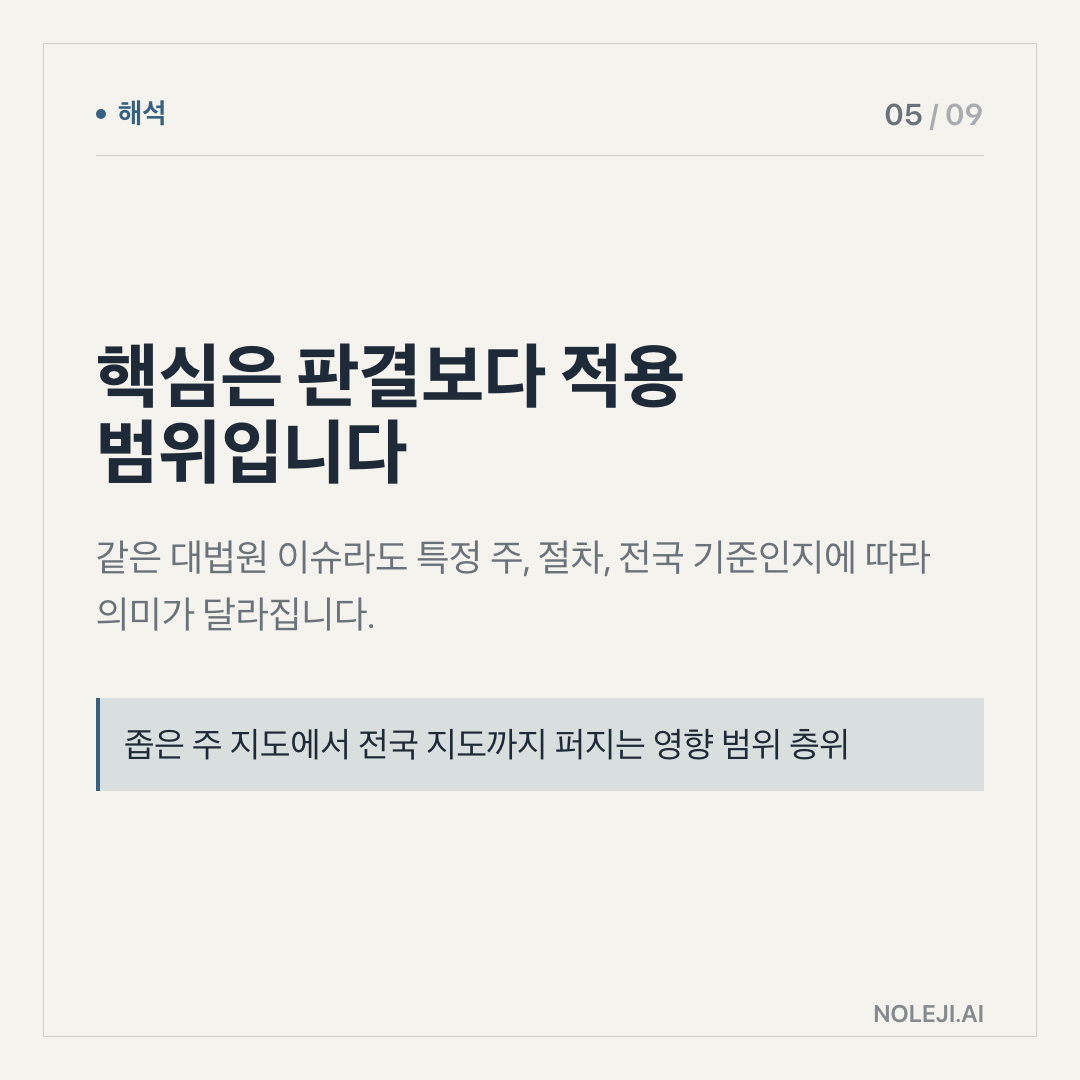
The problem is that “GOP did X” is not yet a complete piece of information. It is a starting point. If we react before checking what actually changed, we hand our attention to the loudest frame in the room.
The trap is treating a political post like a finished brief
Most people now meet politics through a post, a quote card, or a clipped sentence. That is not a moral failure. It is just how the internet delivers public life now.
But a Threads post, even from a recognizable public voice, is still a pointer. It can alert us that something may matter. It cannot, by itself, tell us what changed in law, policy, enforcement, budget, procedure, or daily life.
For non-specialists, this is where the mistake usually happens. We see “GOP” and instantly sort the story into a familiar folder: threat, outrage, strategy, hypocrisy, election theater. Sometimes that instinct is right. Sometimes it is too fast.
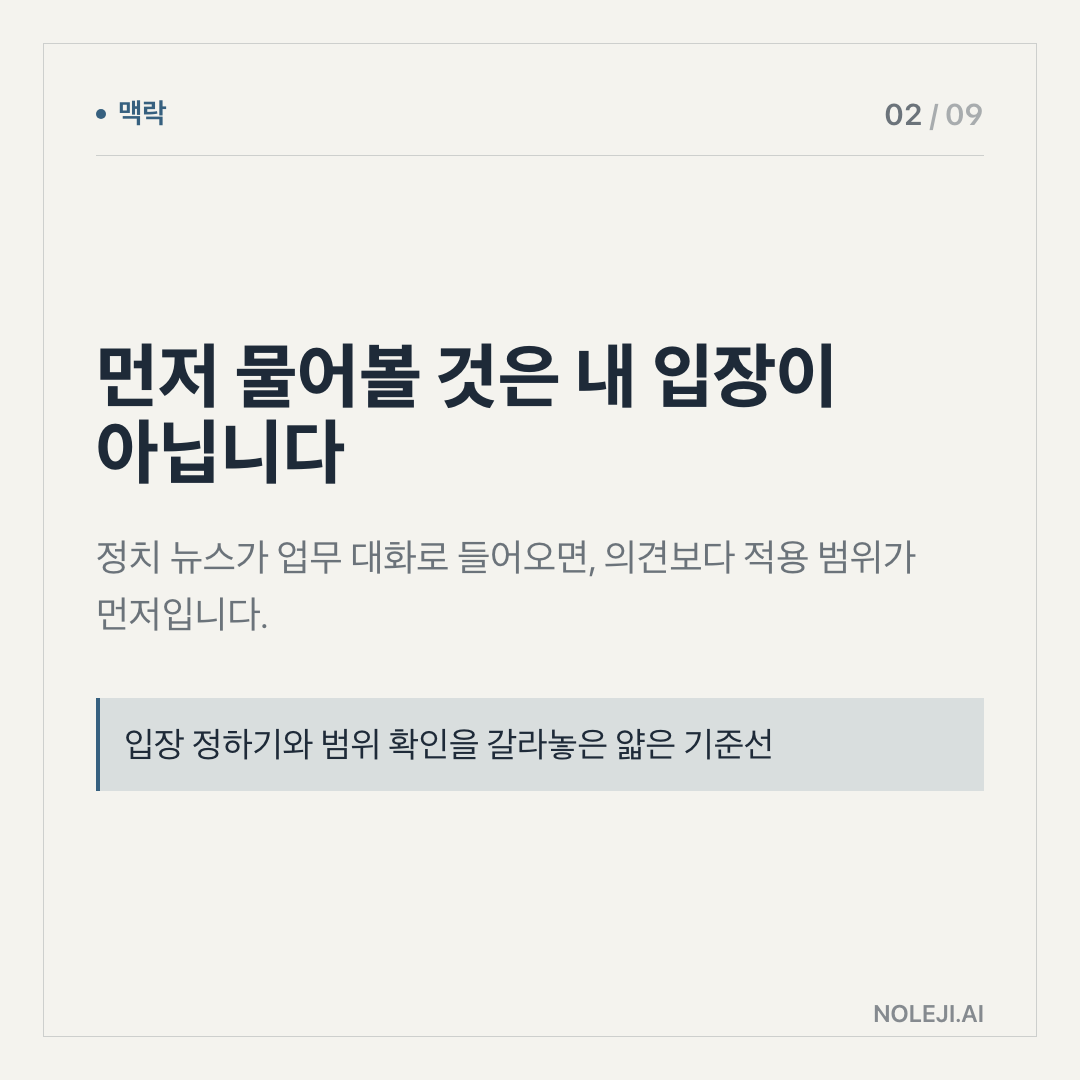
My position is simple: after a political signal like this, the useful person is not the person who reacts first. It is the person who separates “this needs checking now” from “this can wait.”
The first job is to find the object, not the emotion
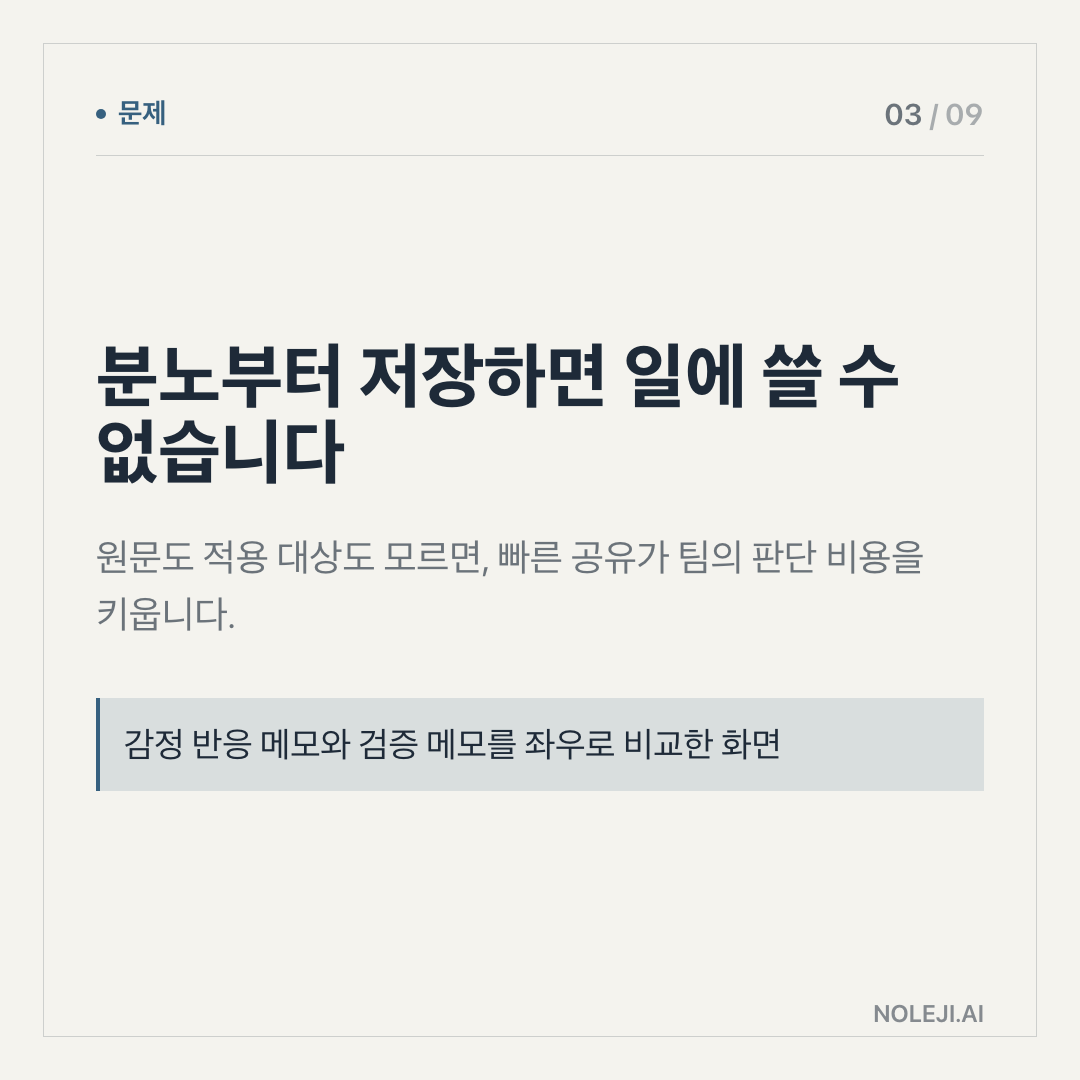
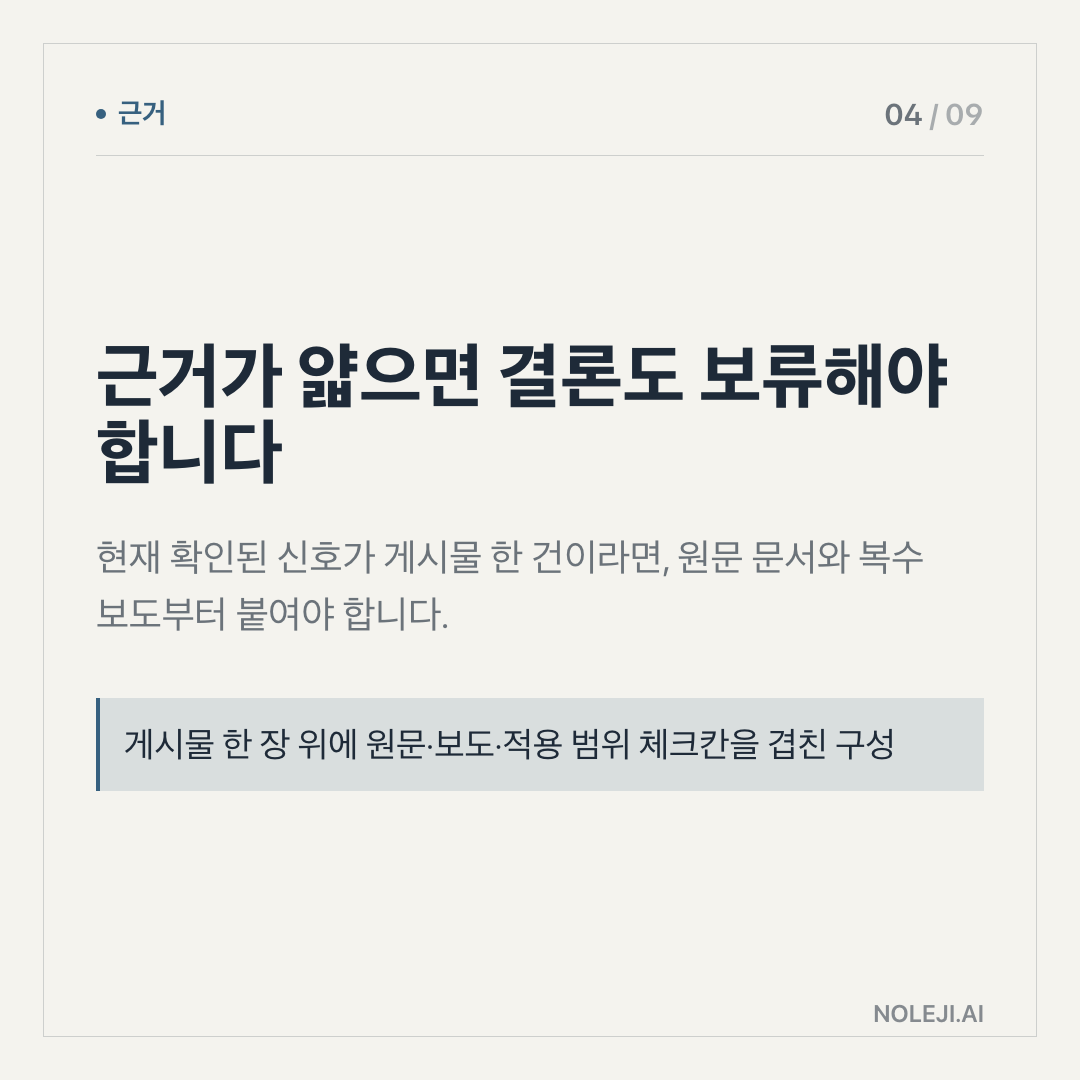
The available source here is thin: one Threads post from Dean Obeidallah. That matters because it tells us the starting point, not the full evidentiary chain. Without the underlying bill text, court filing, vote record, official statement, or reporting trail, the honest move is to slow the frame down.
I use a small translation habit for this. When I see a heated political post, I ask: what is the object?
Is it a bill? A vote? A lawsuit? A Supreme Court filing? A budget line? A committee move? A campaign message? A media appearance? These are not interchangeable. A proposed bill and an enacted law do not carry the same weight. A caucus statement and a procedural vote do not demand the same level of alarm. A campaign promise can shape public mood, but it is not yet an administrative change.
Here is the table I keep in my head:
| If the post points to... | Check now | Can wait |
|---|---|---|
| A signed law or executive action | Exact text, effective date, who is affected | Opinion takes |
| A vote | Vote count, chamber, next procedural step | Viral interpretations |
| A court move | Filing, judge, remedy requested, deadline | Predictions about final outcome |
| A budget proposal | Line item, agency, fiscal year, likelihood of passage | Broad “they are coming for everything” framing |
| A campaign statement | Exact words, audience, repeat pattern | Treating it as current policy |
| A screenshot or quote | Original source and full context | Emotional repost chains |
This sounds basic, but it saves time. Last year I made the opposite mistake with a state-level education story. I treated a viral claim as if the rule had already taken effect. Two hours later, the original document showed it was still a proposed administrative change with a comment period. Still important. Not the same thing.
That distinction changes how we talk at work, too. If your team, clients, students, or family may be affected, you do not need a hotter opinion. You need the next concrete checkpoint.
The checkpoint may be: “Was there an actual vote?” Or: “Does this apply nationally or only in one state?” Or: “Is this enforceable now, or is it messaging before a legal fight?”
That is not political neutrality. It is operational clarity.
Some things really do need fast attention
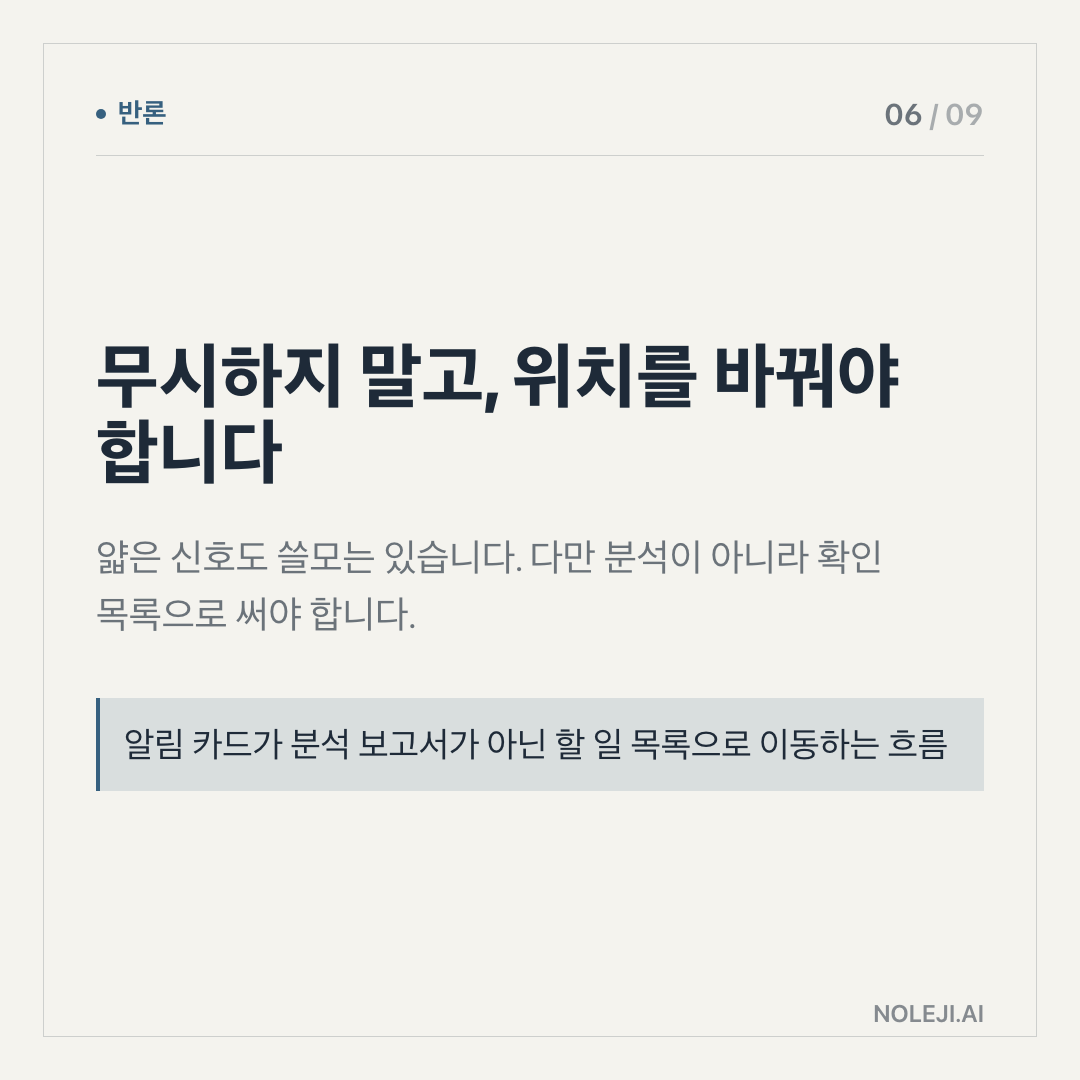
There is a risk in over-correcting. “Wait for more facts” can become a polite way to ignore patterns until they become damage.
If a move affects voting access, immigration processing, public health guidance, federal funding, education rules, reproductive care, speech protections, or judicial appointments, waiting too long has a cost. Systems often change through boring steps before the public notices: calendar rules, committee language, appropriations riders, agency memos, deadline shifts.
So I am not arguing for calm as a personality trait. I am arguing for better sorting.
The question is not “Should I care?” The question is “What kind of care does this require?”
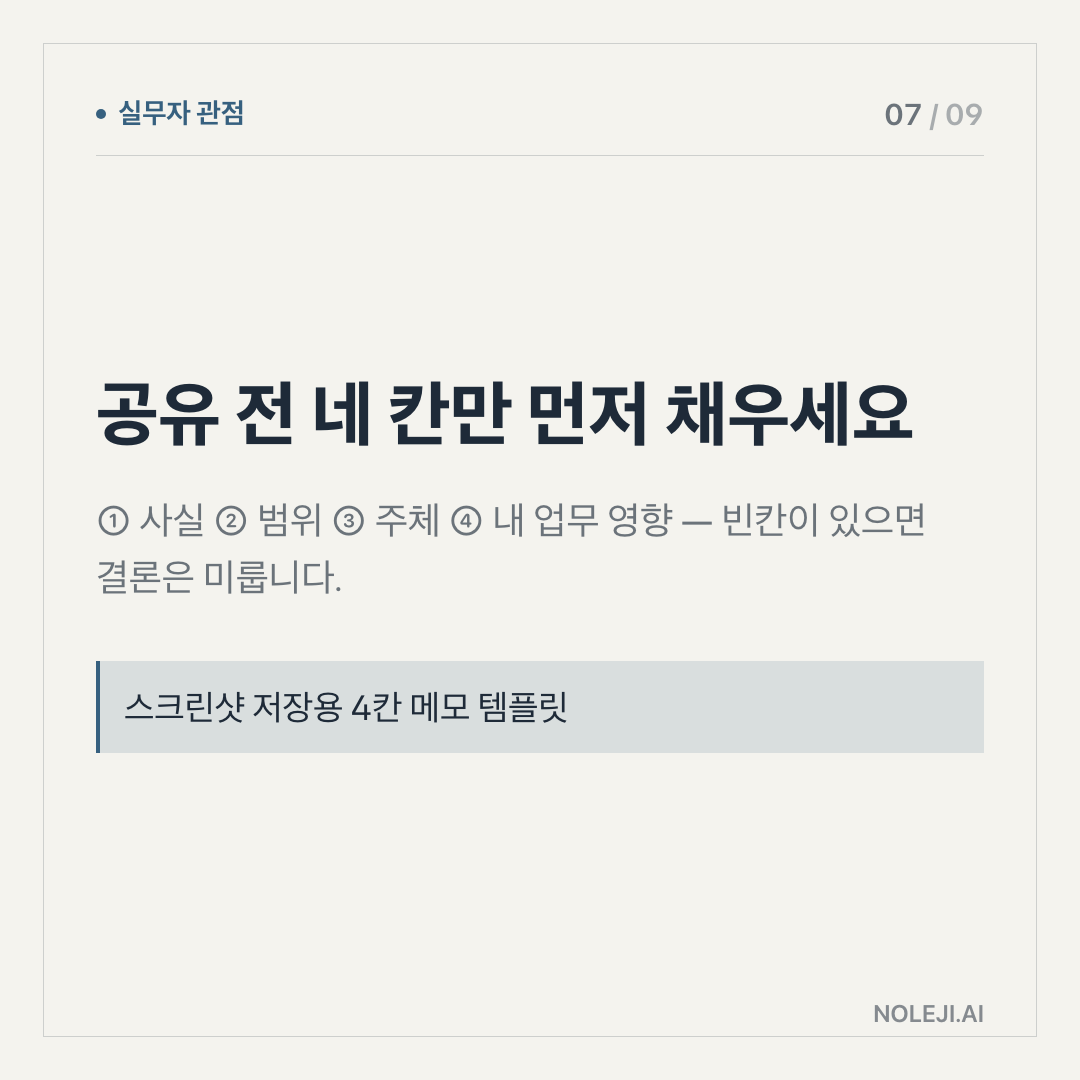
① Identify the action Write one plain sentence: “The GOP did or proposed ____ through ____.”
② Locate the consequence Ask who is affected first: voters, workers, students, patients, migrants, agencies, courts, platforms, or campaign audiences.
③ Set the next check Find the next date, vote, filing, effective deadline, or official document. If there is no next check, treat the post as commentary until more evidence appears.
복붙용 line:
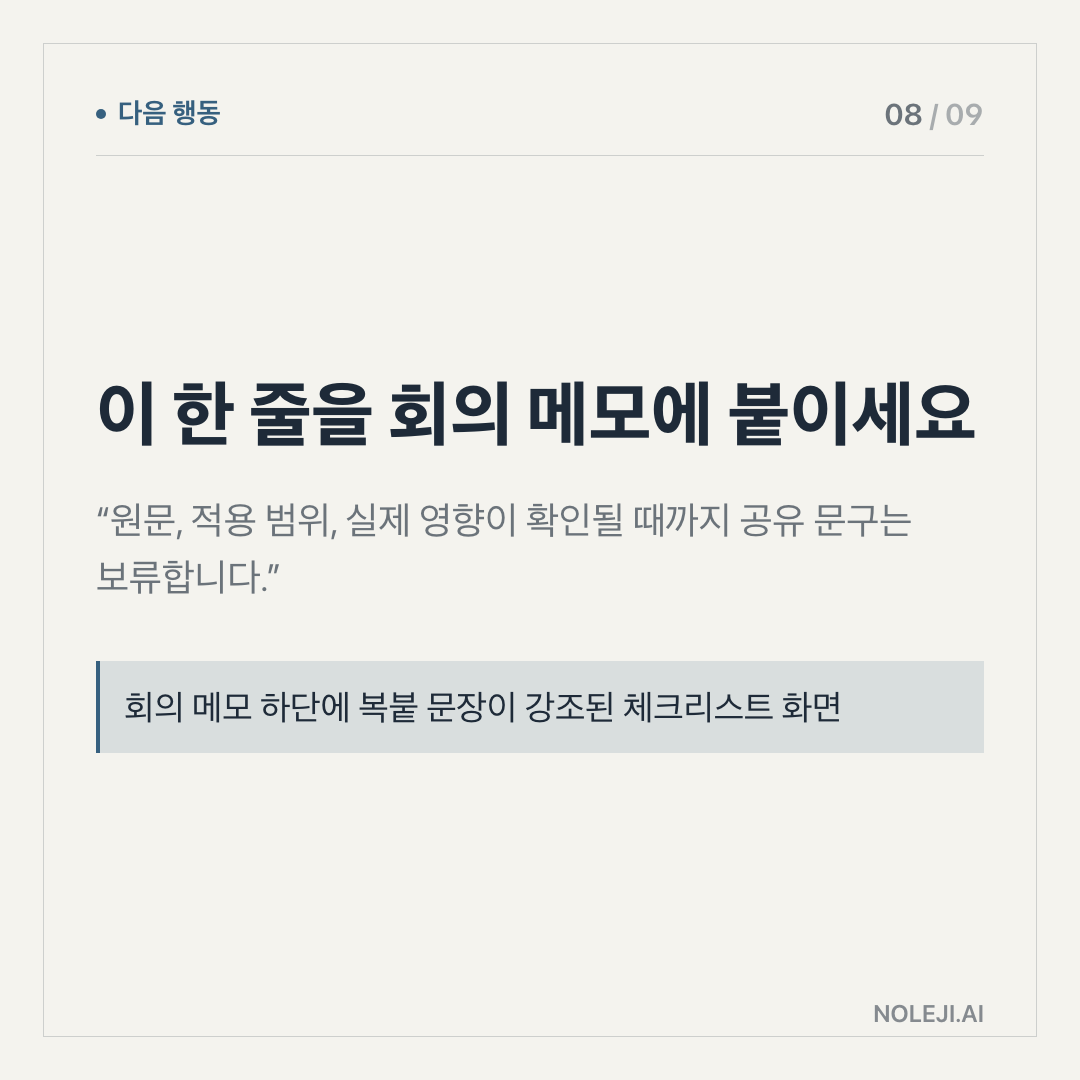
> “Before I react to this, I want to know whether it is a law, a vote, a filing, a proposal, or a campaign message.”
That line is useful in a meeting, a group chat, or your own notes app. It keeps the conversation from sliding into pure mood.
The limit: one post cannot carry the whole conclusion
The honest limitation today is that the manifest gives us only one public social source. I can treat it as a signal that something deserves attention. I cannot responsibly turn it into a full claim about policy impact without the underlying materials.
That may feel unsatisfying. We want the clean answer now: dangerous or overblown, urgent or noise, proof or spin. But public life rarely arrives that neatly.
I would rather publish a narrower read that holds up tomorrow than a louder one that needs quiet correction later.
Today’s useful move is a verification list, not a take
If you saw the same GOP-related post or heard someone mention it, do one thing before sharing it forward: classify what actually happened.
Use the table above, find the source behind the post, and write the one-sentence version in your own words. If you cannot do that yet, the correct label is not “false.” It is “not verified enough for action.”
Next time, I want to go one step further: how to read political AI, platform, and policy posts when they arrive through creators instead of primary documents, and how to build a small personal system that keeps you informed without letting outrage run your calendar.
Take-aways
- That was the line I heard, not from a policy analyst, but from someone trying to get through a normal workday between Slack pings and a late lunch.
- The problem is that “GOP did X” is not yet a complete piece of information
- Most people now meet politics through a post, a quote card, or a clipped sentence
→ 한국어 버전 →