One unpaid hour after work is where this matters
9:40 p.m., a spreadsheet is still open, and the idea you wanted to test has turned into three tabs, two half-written notes, and no clear next action.
That is the real scene behind AutoResearchClaw. Not a futuristic lab. Not a professor with unlimited graduate students. Just a person with a thought, a deadline, and too many manual steps between “this might be worth testing” and “I have something defensible.”
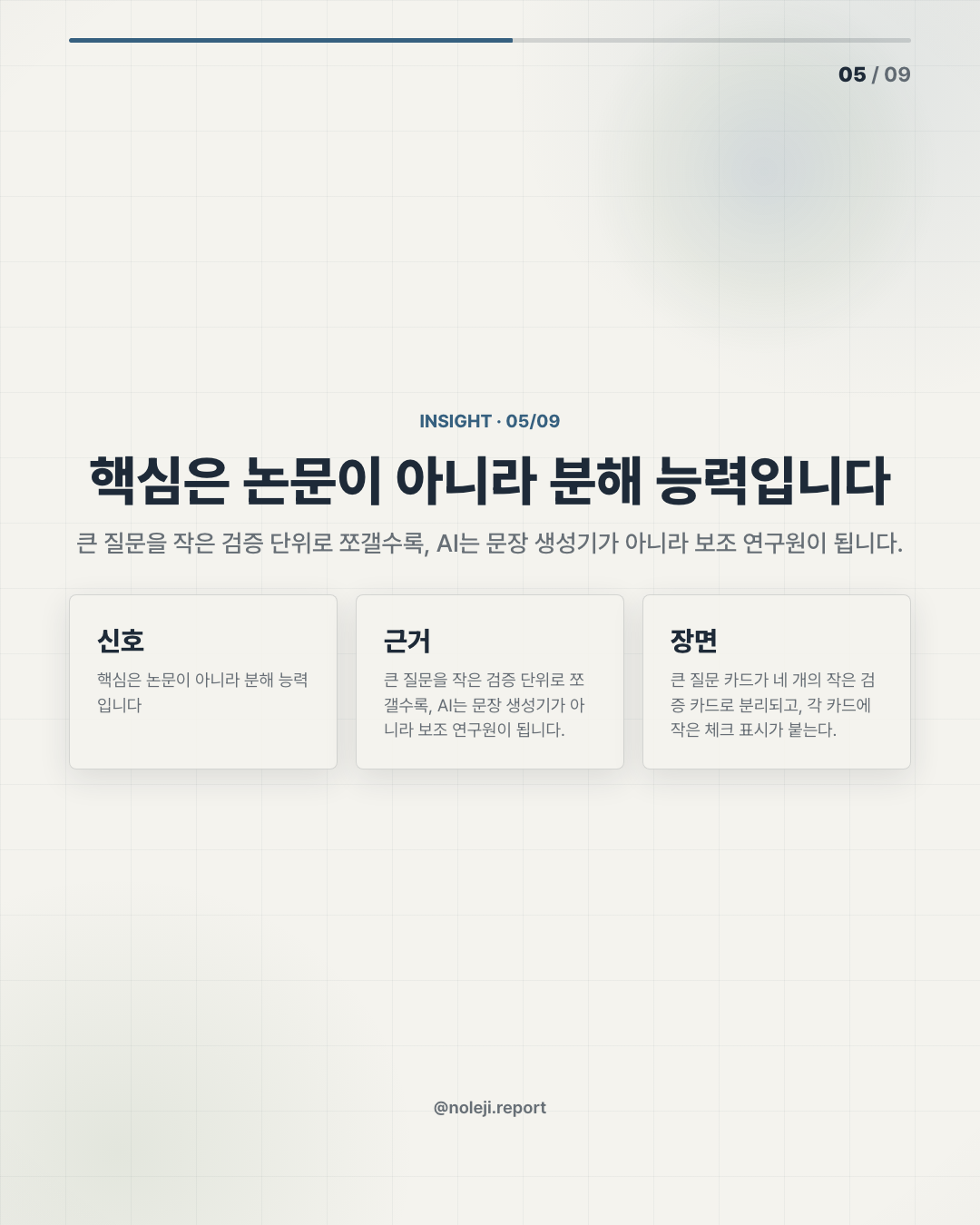
The title describes AutoResearchClaw as a fully autonomous AI research agent that can turn an idea into an academic paper. I would read that claim carefully. My thesis is this: the most useful part of tools like AutoResearchClaw is not that they may write a paper for you, but that they expose how much of “research” is actually a repeatable operating system.
The trap is thinking the paper is the product
Most people hear “AI research agent” and jump straight to the final artifact: a paper, a PDF, something that looks publishable.
That is understandable, but it is also the wrong mental model. A paper is the receipt. The real work is deciding what question is worth asking, what evidence would count, what failed, and what still cannot be claimed.
This is where I take a fairly firm position. If a system produces a polished paper before it has earned the right to make claims, it is not saving you time. It is moving the risk to the end, where mistakes are harder to see.
For non-developer office workers, the analogy is familiar. A good presentation deck does not mean the project was well run. It may only mean someone can format chaos neatly. Research automation has the same danger.
The useful agent is the one that makes the hidden checklist visible
The available manifest is thin: we have the AutoResearchClaw title, a short Korean lede, and no primary paper, repository, benchmark, or author source attached. So I would not treat this as verified evidence of performance. I would treat it as a signal about where research automation is going.
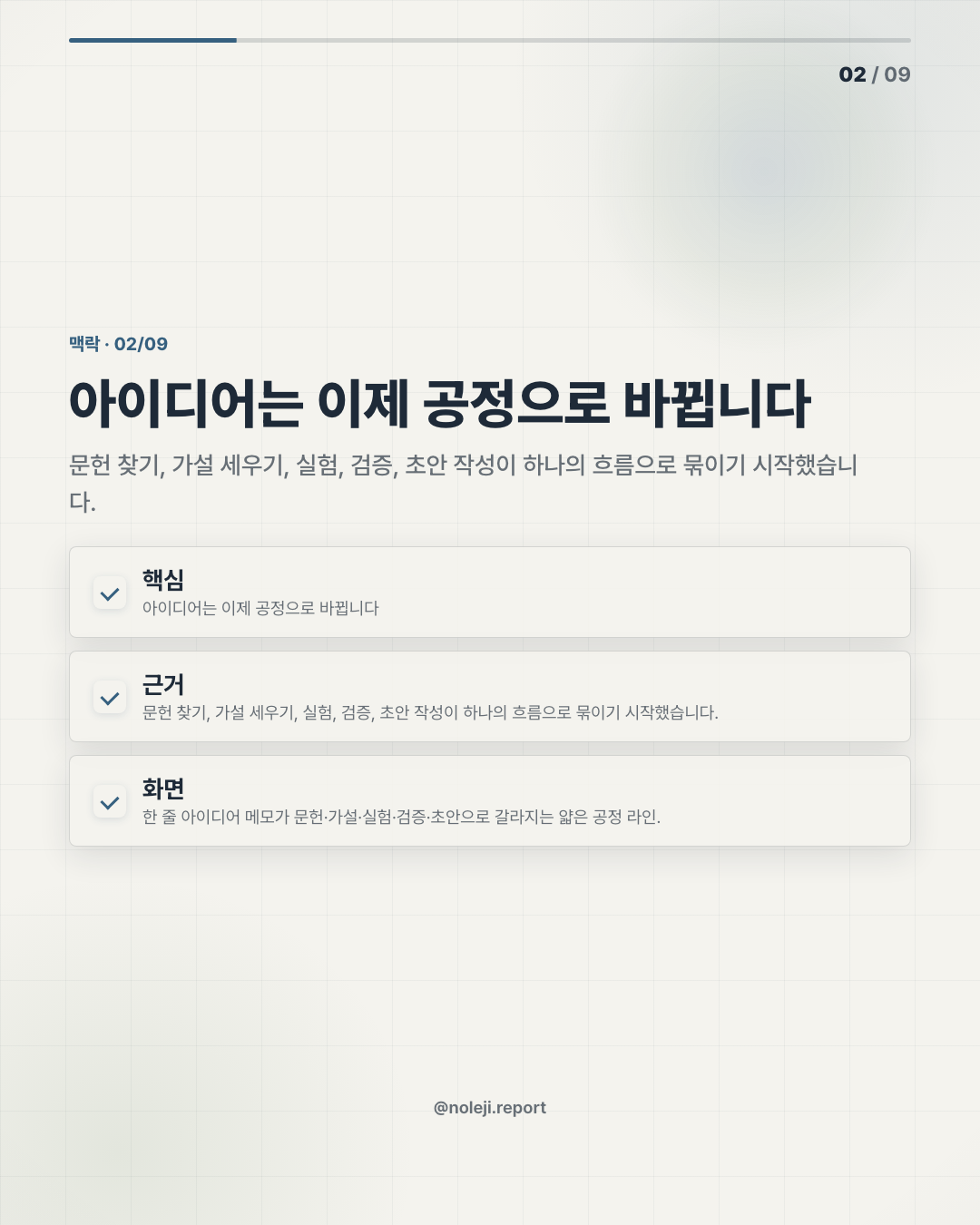
The described workflow still tells us something useful. AutoResearchClaw is framed around the full path from idea to implementation and paper: literature search, hypothesis building, experiment code, validation, and writing. That is not one task. It is a chain of different judgment types.
Here is the keeper version I would use:
| Step | What the agent can help with | What you must still judge |
|---|---|---|
| Idea | Turn a vague direction into candidate questions | Whether the question matters |
| Literature | Collect related work and patterns | Whether the sources are relevant and current |
| Hypothesis | Propose what should be tested | Whether the claim is narrow enough |
| Code | Draft experiment scripts or prototypes | Whether the implementation matches the question |
| Evaluation | Run or summarize test results | Whether the metric proves anything useful |
| Paper | Structure the argument | Whether the argument is honest |
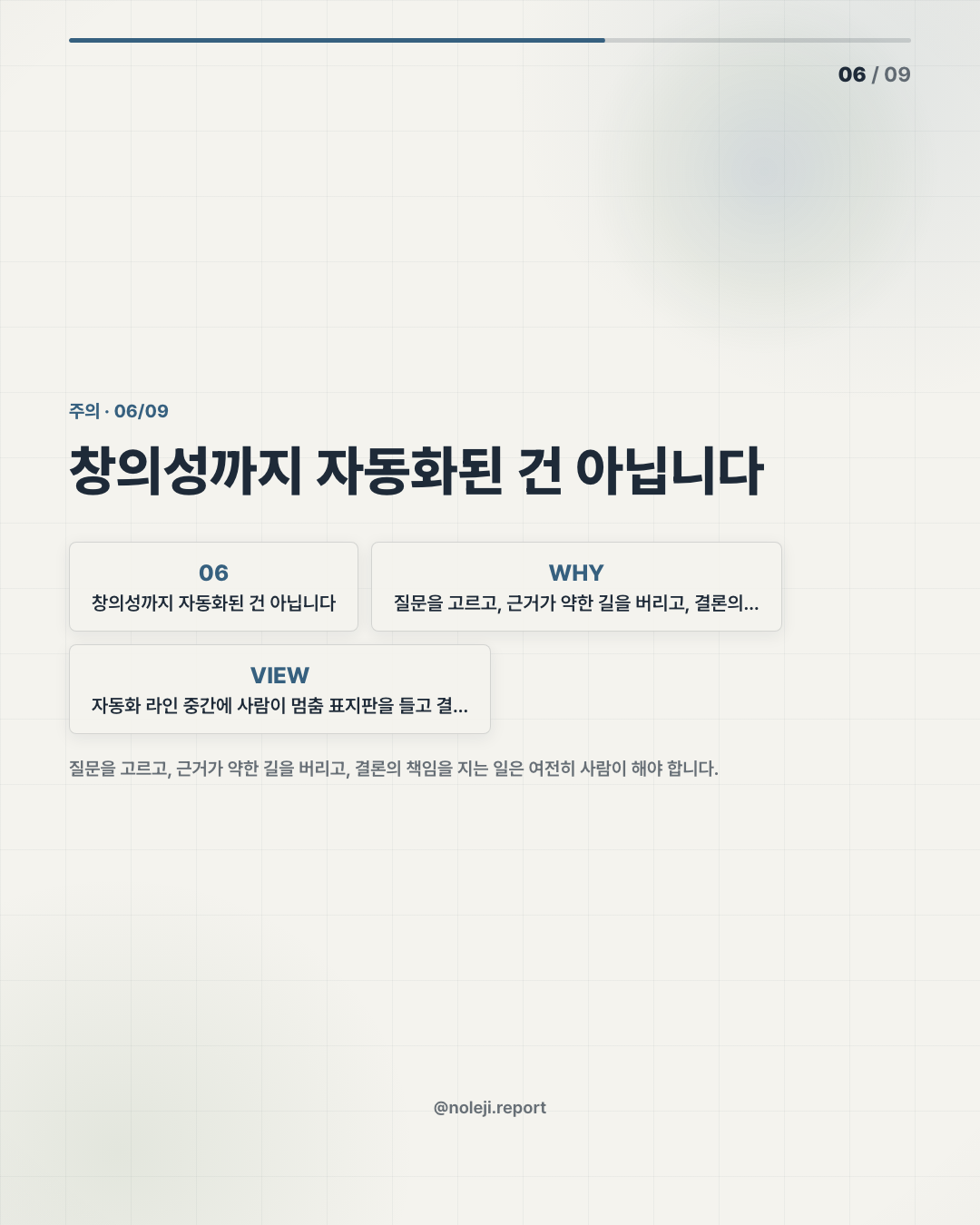
This is why the “fully autonomous” phrase needs pressure. Automation can connect steps. It cannot remove the need for ownership.
I have seen a smaller version of this failure in my own work. Last week, I used an AI workflow to turn a rough content idea into an outline, source list, and draft. The output looked finished too quickly. When I checked it line by line, the weak point was not grammar. It was claim discipline. The tool had filled the empty spaces with plausible language, but the actual evidence only supported a smaller point.
That failure is not a reason to reject automation. It is the reason to use it differently.
The better use case is not “write my research.” It is:
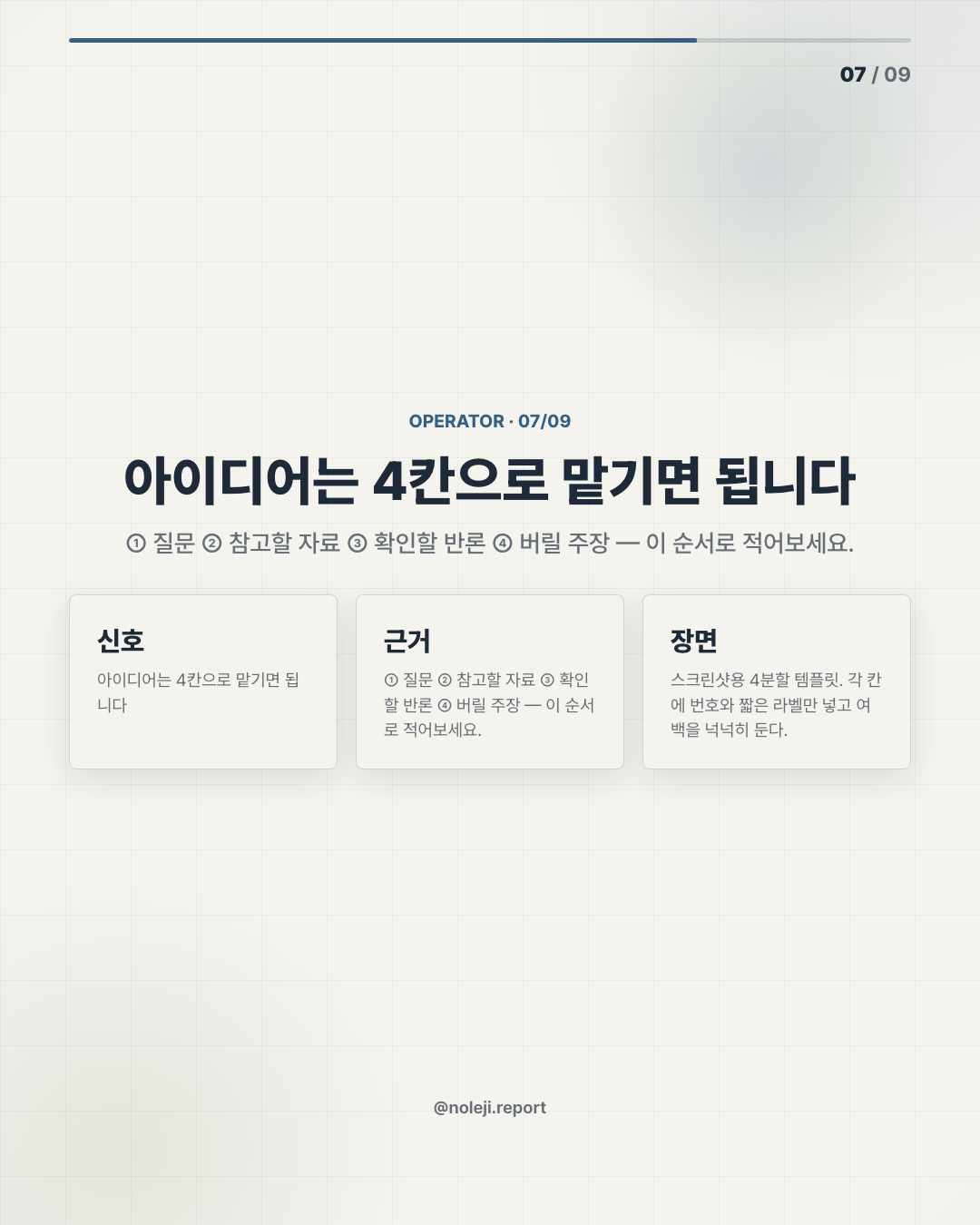
① Make the research process explicit ② Force each claim to name its evidence ③ Separate draft fluency from proof ④ Save the human for judgment, taste, and rejection
That is valuable even outside academia. A product manager testing a feature idea, a marketer evaluating a campaign hypothesis, a policy analyst comparing reports, or a consultant preparing a client memo all face the same pattern. The work is not only writing. It is moving from idea to defensible conclusion without fooling yourself.
This breaks when the question itself is weak
There are limits.
If the starting idea is vague, fashionable, or borrowed from someone else’s abstract, an autonomous research agent may only produce a more impressive version of a weak question. That is worse than a blank page because it feels complete.
It also breaks when the domain requires tacit knowledge. In medicine, law, finance, safety engineering, or any field where a wrong conclusion can hurt people, “agent-generated research” should stay behind human review. I would not accept a paper-shaped output as authority just because it includes experiments, citations, or polished structure.
And because the current source context does not include a primary benchmark or reproducible demo, I would not rank AutoResearchClaw against other research agents here. The honest reading is narrower: this is an example of the direction, not yet enough evidence for a buying or adoption decision.
Build a tiny research system before you trust a large one
If you want to use this signal today, do not start by asking whether AI can write academic papers.
Start with one small workflow from your own work.
Pick an idea you keep postponing. Then write a three-line brief:
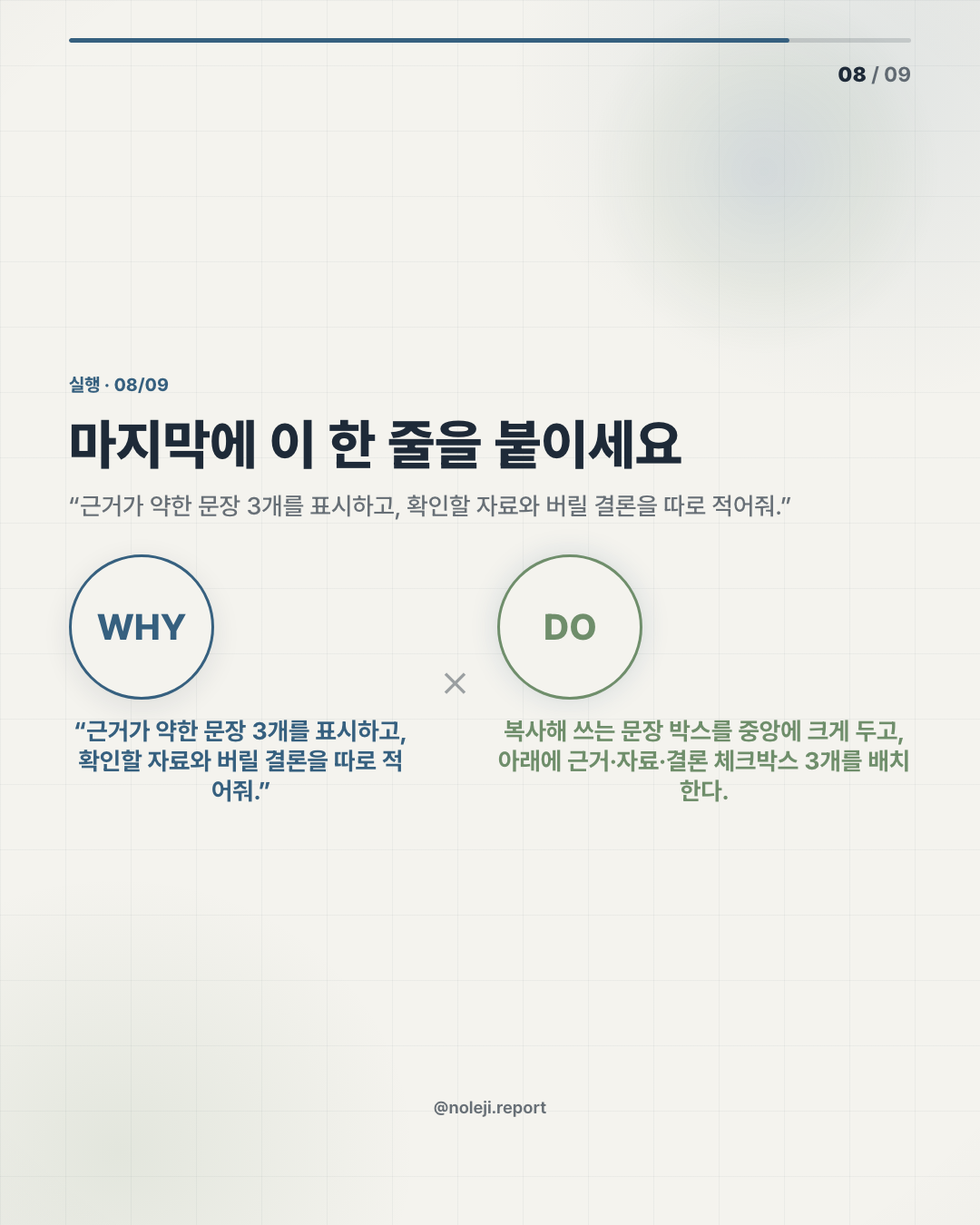
> I want to test whether [idea] is true for [specific audience/context]. The evidence that would change my mind is [metric, example, or source]. The final output should be [memo, decision, prototype, or draft], not a polished argument beyond the evidence.
Use that as the input to any research assistant or AI workflow. Then check whether the system helps you think more clearly before it helps you write more smoothly.
That is the practical lesson I take from AutoResearchClaw: the future of work is not only more automation. It is more people learning to package their thinking into small systems that machines can help run.
Primary next step: save the table above and use it as a review checklist before trusting any “autonomous research” output.
Next edition: I’ll look at the difference between an AI agent that assists research and an AI agent that only manufactures confidence.
Take-aways
- 9:40 p.m., a spreadsheet is still open, and the idea you wanted to test has turned into three tabs, two half-written notes, and no clear next action.
- That is the real scene behind AutoResearchClaw
- The title describes AutoResearchClaw as a fully autonomous AI research agent that can turn an idea into an academic paper
→ 한국어 버전 →