At 11:42 p.m., the problem is not coding. It is explaining the work twice.
At 11:42 p.m., a non-developer is usually not blocked because they cannot write Python. They are blocked because they have to explain the same feature to a tool, a colleague, a freelancer, and then back to the tool after the first version comes out wrong.
I have felt this in my own work. The hard part of automation is rarely the button. The hard part is making the work repeatable without turning your day into prompt maintenance.
My thesis is simple: spec-driven development is more useful to non-developers than to developers, because it turns “asking AI nicely” into a small operating system for getting work done.
The common mistake is treating AI coding tools like smarter interns
Most people start with a prompt like this: “Build me a simple landing page with a signup form.”
That sounds clear. It is not.
A junior teammate would immediately ask: What counts as simple? What fields are required? What happens after signup? Is this mobile-first? Should the page connect to a real database or just show a success message? What is out of scope?
AI coding tools such as Claude Code can move very fast, but speed makes weak instructions more expensive. A vague prompt does not stay vague. It becomes a vague folder structure, a vague interface, vague tests, and a vague sense that “something is almost working.”
The trap is thinking the future of work belongs to people who know how to prompt better. I disagree. The bigger advantage goes to people who can write a small, durable brief before the tool starts moving.
That is what I mean by “Get Shit Done” as a system, not a slogan.
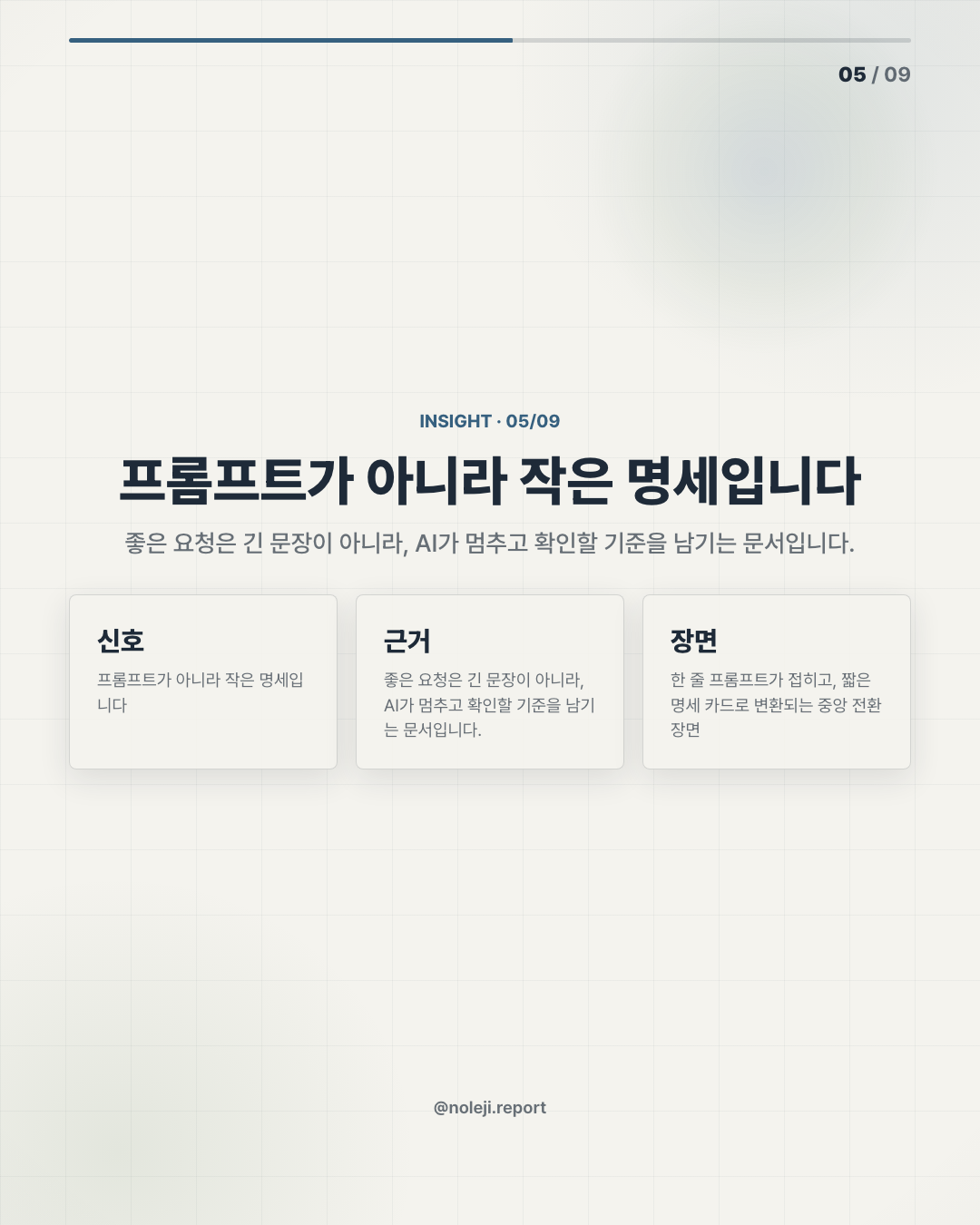
A meta prompt is not magic. It is a manager’s memo that the machine cannot ignore.
Because the source manifest does not include public links or a technical spec, I am treating this as a workflow pattern rather than a verified product release. The idea is still worth covering because it names a shift I keep seeing: AI development is moving from chat-based improvisation to specification-based execution.
A lightweight SDD system usually has three layers.
First, there is the meta prompt. This is the standing instruction: how the AI should behave, what it must ask before building, what quality bar it should hold, what files it may touch, and how it should verify the result.
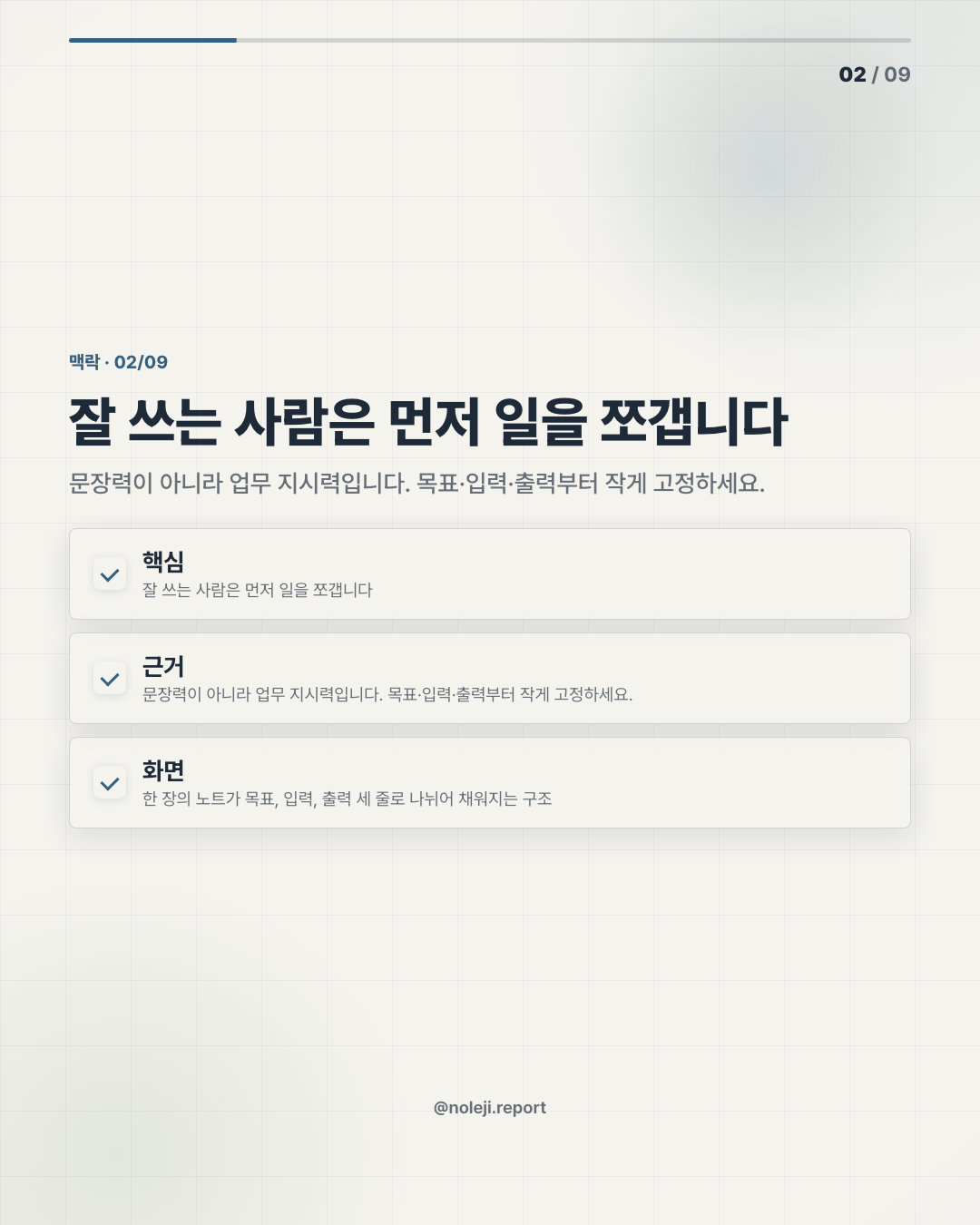
Second, there is the feature spec. This is the actual work order: the user story, the input and output, the acceptance criteria, edge cases, and what not to build.
Third, there is the execution loop. The AI reads the spec, makes a plan, edits, tests, reports what changed, and stops only when the defined checks pass or a real blocker appears.
For a developer, this may sound like common engineering discipline. For a non-developer office worker, it changes the shape of delegation.
Here is the difference I would keep:
| Old AI request | Spec-based request |
|---|---|
| “Make a dashboard.” | “Create a dashboard that shows weekly leads, conversion rate, and overdue follow-ups from this CSV.” |
| “Make it clean.” | “Use a two-column desktop layout, one-column mobile layout, and keep all metric labels visible without hover.” |
| “Fix the bug.” | “When the user uploads an empty file, show this exact error and do not submit the form.” |
| “Improve this.” | “Reduce the manual steps from five to two while preserving the current export format.” |
| “Looks good?” | “Run the listed checks and report what passed, failed, or could not be verified.” |
The second column is not more technical. It is more honest.
Last week, I tested a small internal workflow with this approach: turn a rough content brief into a structured publishing checklist. The first prompt-only version looked smooth but missed the annoying parts: duplicate title checks, date formatting, and whether the archive body had a real next step. The spec-based version was slower at the start. It forced me to write acceptance criteria before asking for output. But after that, revision time dropped because I was no longer arguing with a blank assistant. I was correcting against a shared contract.
That is the practical value. Not “AI builds everything.” More like: AI can execute more reliably when the human stops outsourcing the thinking and starts packaging it.
For non-developers, this is close to writing a brief for a capable but literal contractor. You do not need to know how the contractor uses the saw. You do need to say where the shelf goes, how much weight it must hold, and what wall should not be drilled.
A good meta prompt for this kind of work does four things:
① It defines the role: “Act as an implementation partner, not a brainstorming chatbot.” ② It defines the artifact: “Produce a spec, a plan, code changes, and verification notes.” ③ It defines the stop condition: “Stop when tests pass or when missing information changes the result.” ④ It defines the tone of escalation: “Ask only when the choice is destructive, external, or materially changes scope.”
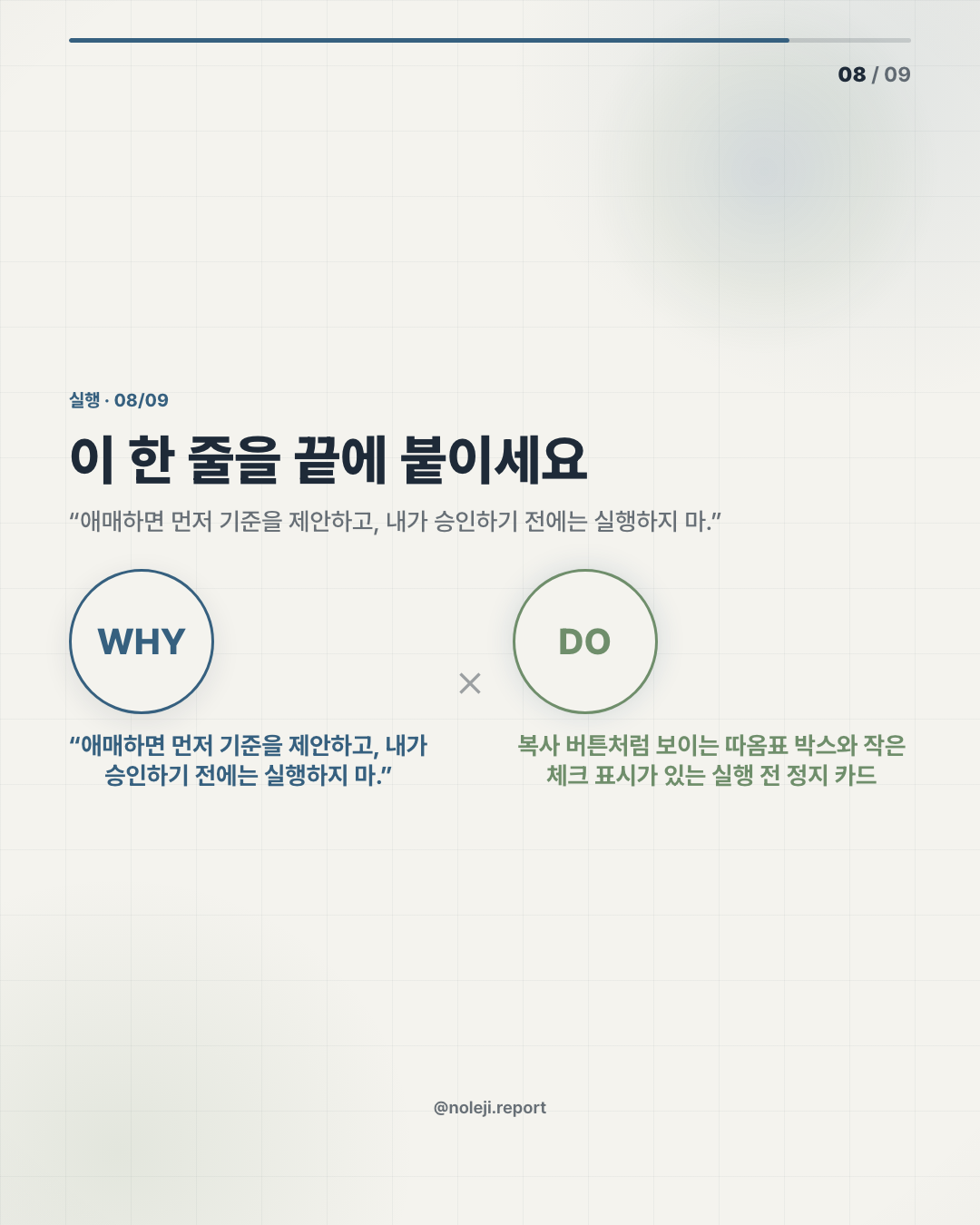
복붙용으로 남겨둘 문장 하나만 고르라면, I would keep this:
> Before building, turn my request into a short spec with goal, inputs, outputs, acceptance criteria, non-goals, and verification steps. Then execute only against that spec.
That line is not elegant. It works because it creates friction in the right place.
This fails when the work is political, taste-heavy, or poorly owned
There are places where spec-driven AI work breaks down.
If nobody owns the final decision, a spec becomes theater. The AI can ask better questions, but it cannot decide whether sales, design, legal, or the founder gets the last word.
If the work depends heavily on taste, the first spec will usually be too thin. “Make it premium” is not a spec. Neither is “like Apple, but warmer.” You need examples, constraints, and someone willing to say no.
If the system touches real users, payments, private data, or production infrastructure, a lightweight “Get Shit Done” setup is not enough. You need review, access control, logs, rollback, and a human who understands the blast radius.
I also would not oversell this for people who hate writing things down. Spec-based work gives time back later, but it charges a fee upfront. That fee is attention.
Start with one repeated task, not your whole job
Do not redesign your entire workflow around AI development this week.
Pick one task you already repeat: turning meeting notes into a follow-up email, cleaning a spreadsheet before upload, drafting a landing page variant, checking a post against publishing rules, or generating a small internal tool.
Then write a one-page spec before asking the AI to act.
Use this checklist:
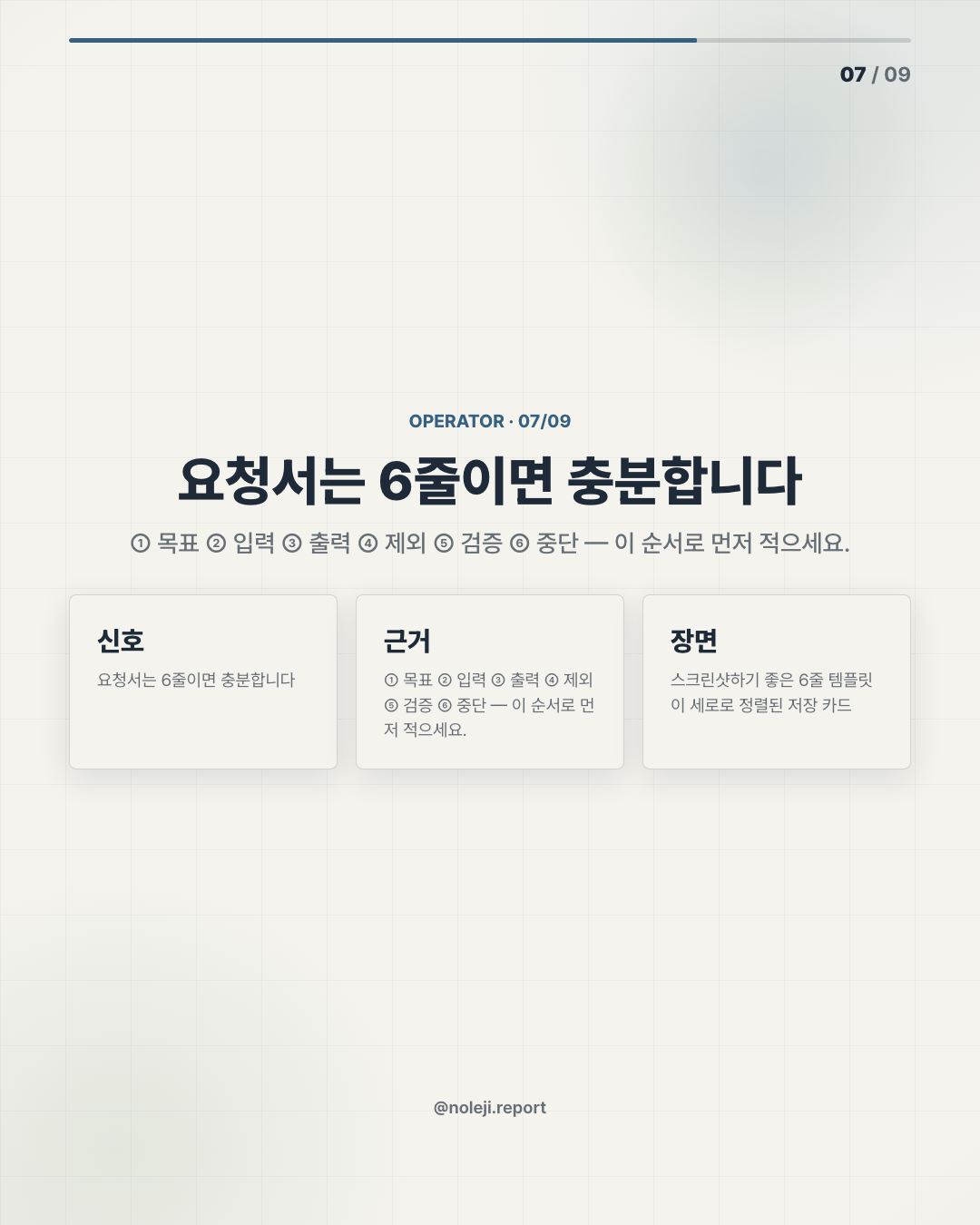
- Goal: What should be true when this is done?
- Inputs: What files, notes, data, or examples should the AI use?
- Outputs: What exact artifact should come back?
- Constraints: What must not change?
- Acceptance criteria: How will you know it worked?
- Verification: What should be checked before the task is called done?
- Escalation rule: When should the AI stop and ask?
My primary next step: save the checklist and use it once today on a task you would normally describe in one loose sentence.
Next piece: I will break down a reusable “non-developer spec template” for everyday work, from content publishing to small automation tools.
Take-aways
- At 11:42 p.m., a non-developer is usually not blocked because they cannot write Python
- I have felt this in my own work
- My thesis is simple: spec-driven development is more useful to non-developers than to developers, because it turns “asking AI nicely” into a small operating system for getting work done.
→ 한국어 버전 →