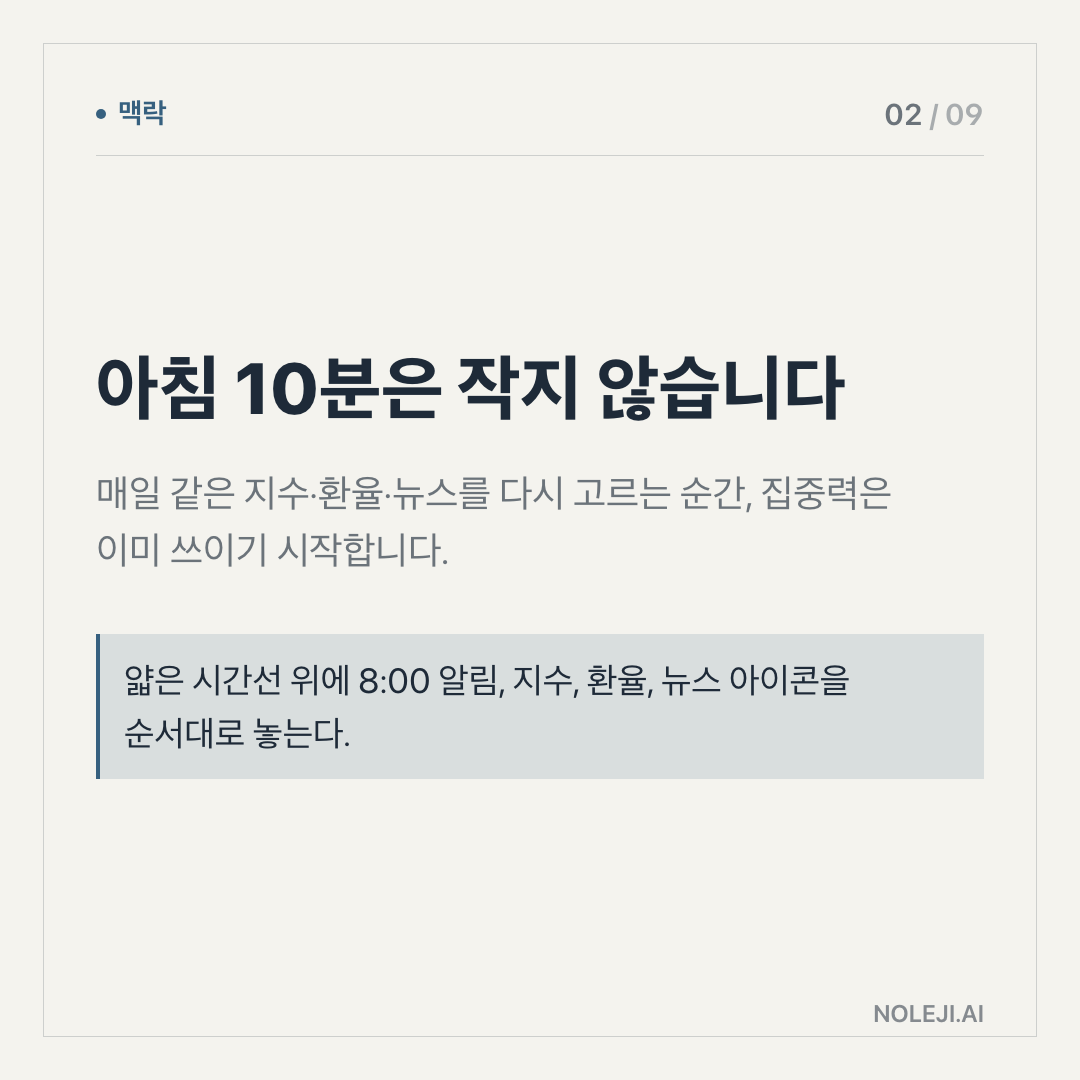
5 minutes is a small unit, but it is enough to change whether a morning routine survives. If a stock note takes 30 minutes to gather, I postpone it. If it arrives before I open my laptop, I actually read it.
The question is not whether a bot can write a market report
The question I kept circling was simpler: can one person build a useful “morning desk assistant” without turning it into another software project?
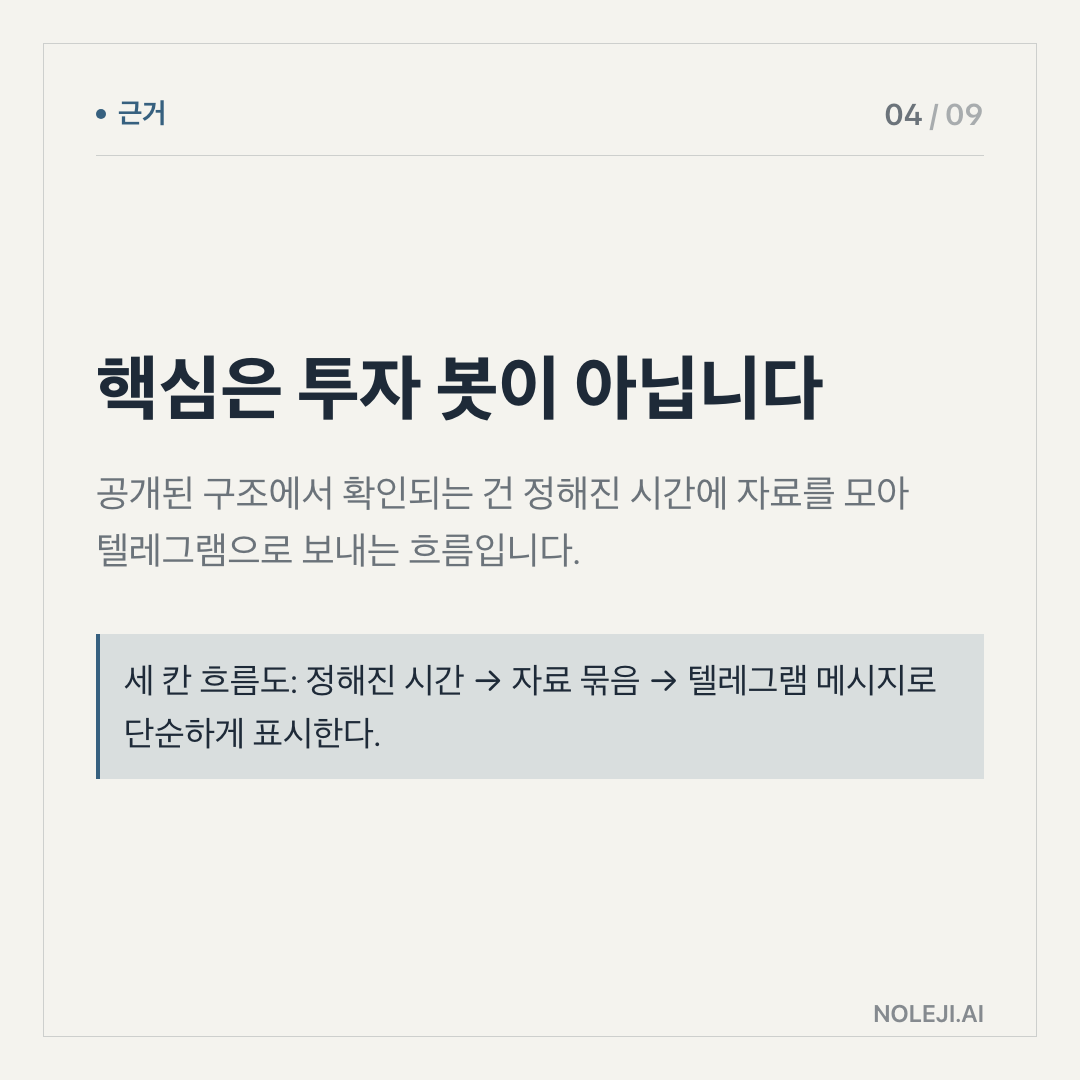
The shared source points to an open-source example built with GitHub Actions and Telegram. The purpose, as described, is personal stock-report automation: collect the information, let an LLM help shape the summary, and send it somewhere the owner already checks.
My thesis is this: for many non-developer office workers, a small GitHub Actions + Telegram bot is a better first automation habit than subscribing to another polished dashboard. Someone can disagree with that. Paid tools are easier, prettier, and less fragile. But they usually make you adapt to their screen. A small bot adapts to your morning.
I followed the trail, and the first honest answer was: the evidence is thin
I only have one visible source in front of me, a shared Google link, and it does not give enough public detail for me to claim performance, accuracy, or code quality. So I will not pretend this is a fully audited project.
What I can examine is the pattern. GitHub Actions is usually used to run scheduled jobs in a repository. Telegram is a delivery channel people already keep on their phone. An LLM can turn raw items into a short memo. Put those together and the shape is clear: a personal report factory that runs on a timer.
That matters because the hard part of automation is often not the model. It is the boring path around it.
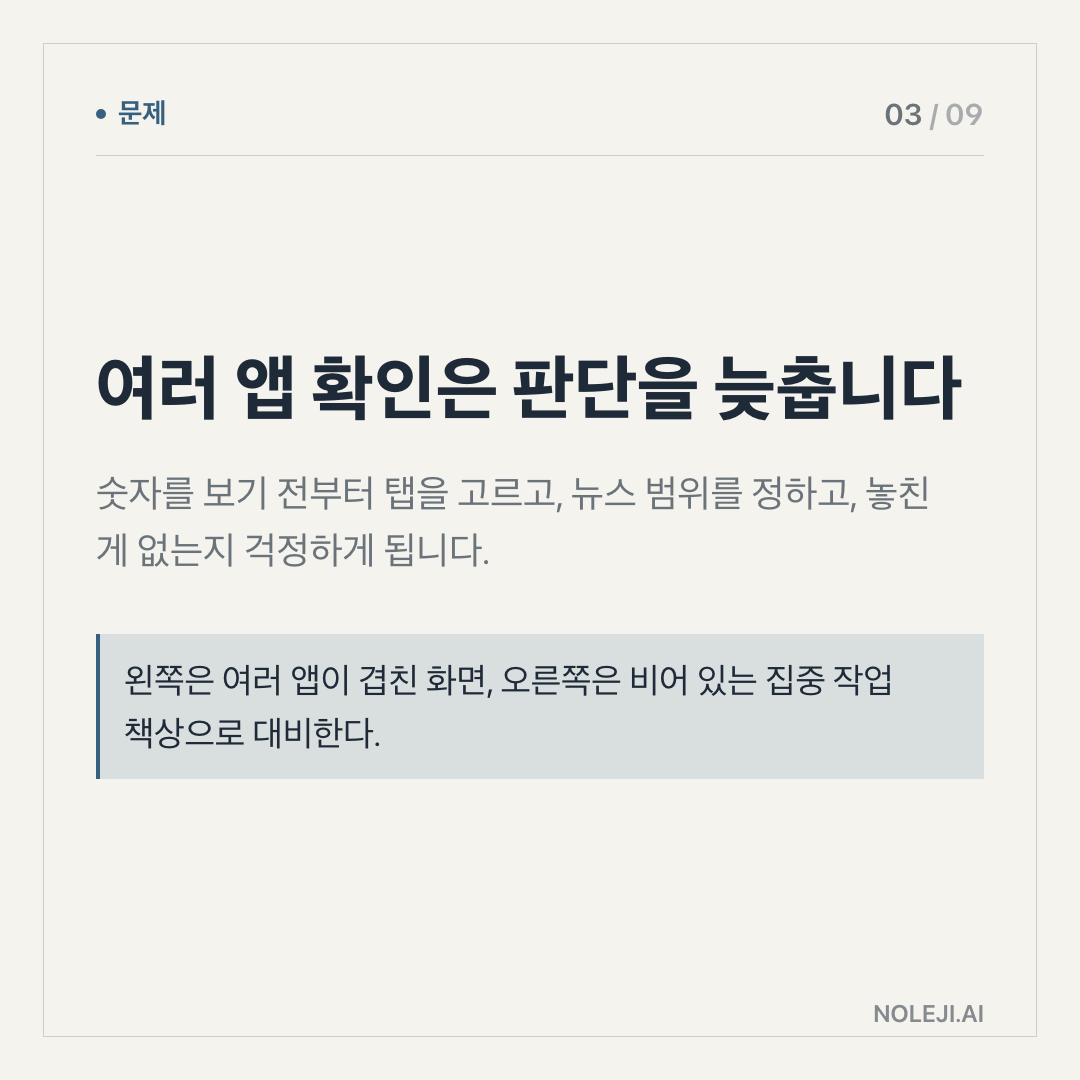
Where does the job run? When does it run? Where does the result land? Can I check it without opening five tabs?
For an office worker, this is like asking an assistant to leave one printed page on the desk every morning, instead of saying, “Please log in to six websites and compare them yourself.”
The useful part is the boring plumbing
The interesting choice here is GitHub Actions plus Telegram, not “AI stock analysis.”
GitHub Actions gives the bot a clock. Telegram gives it a mailbox. The LLM sits in the middle as an editor, not as an oracle. That is a healthier design than asking a chatbot, once in a while, “What should I buy?”
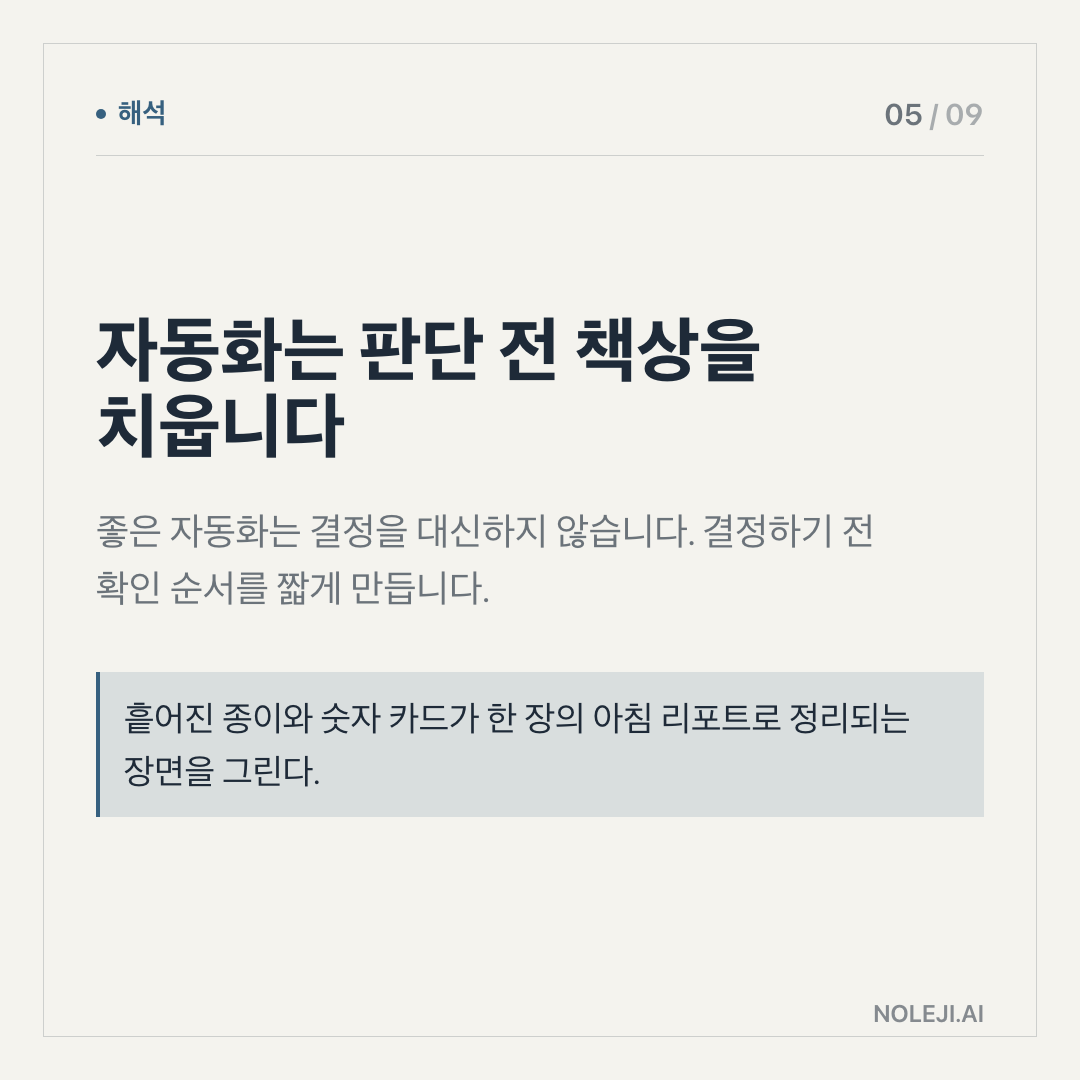
A stock report bot should not pretend to be a trader. It should reduce the work needed to notice changes. Prices moved. A company appeared in the news. A theme repeated across several items. The report should surface those points, then leave the decision to the human.
This is where I think the project is worth paying attention to. The value is not prediction. The value is repeated attention.
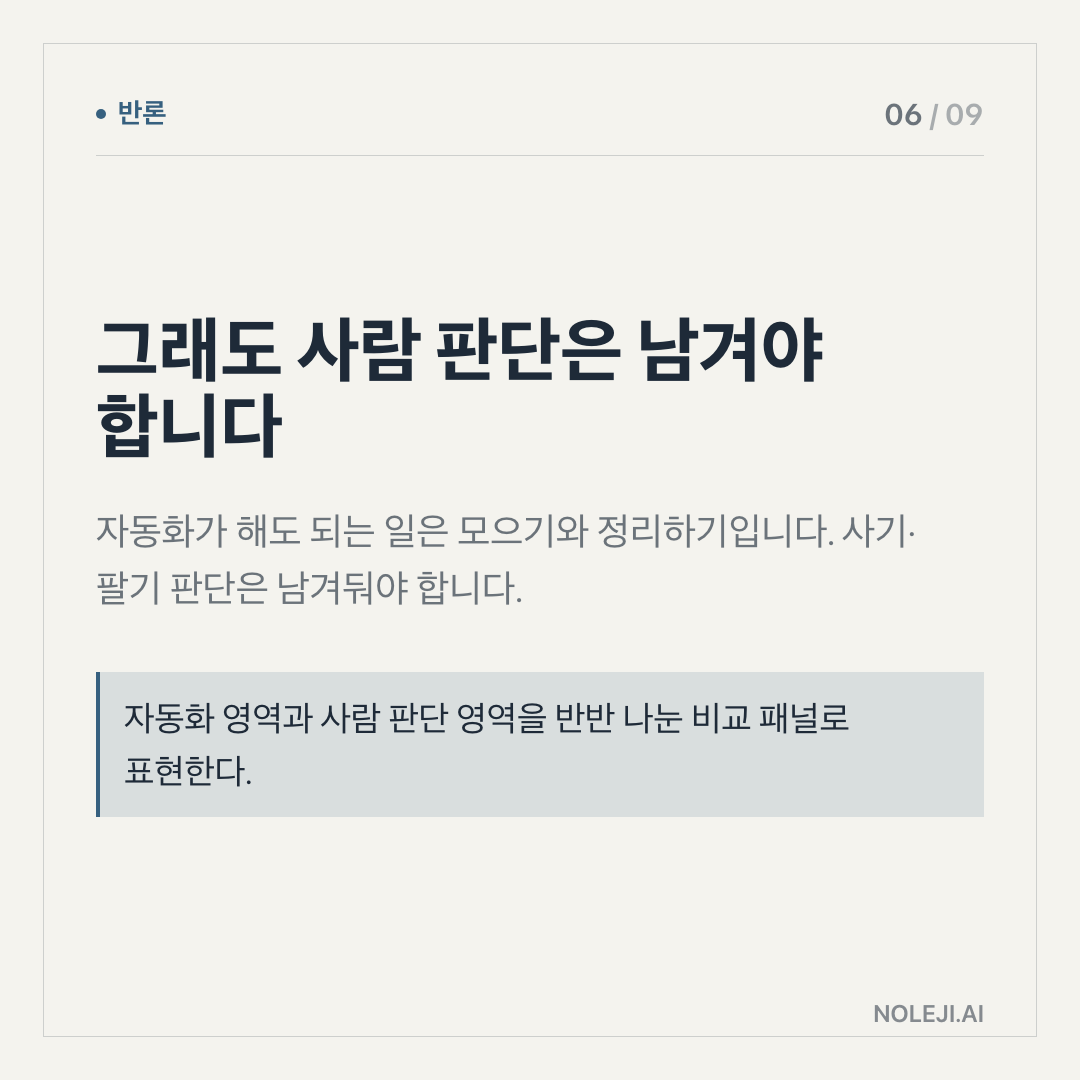
Here is the simple comparison I would keep:
| Approach | What you gain | What you give up | Best for |
|---|---|---|---|
| Paid market dashboard | Polished charts and many data views | You still have to visit and filter it | Active tracking |
| Chatbot prompt each morning | Flexible questions | No routine unless you remember to ask | Occasional curiosity |
| GitHub Actions + Telegram bot | Scheduled delivery into an existing habit | Setup and maintenance burden | Personal daily briefing |
| Manual note-taking | Full control | Time, consistency, and energy | Deep research days |
The open-source angle also changes the feel of the project. A private automation script can stay trapped on one person’s machine. An open repository gives others a starting point: change the market, change the sources, change the tone, change the time. That is how small personal systems spread.
I do not read this as “everyone should run this exact stock bot.” I read it as a useful template for future work. The same structure could send a weekly competitor scan, a daily industry brief, a job-market digest, or a personal learning summary.
That is the part I care about as someone who translates technology into daily work. The future rarely arrives as one giant tool that fixes our calendar. It arrives as small systems that remove one repeated task at a time.
The weak point is trust, not automation
A personal report bot can become quietly dangerous if the owner treats the output as judgment.
LLMs can compress badly. Market data can be delayed or partial. A scheduled job can fail without being noticed. A Telegram message can look more confident than the evidence behind it. The cleaner the summary, the easier it is to forget that something messy happened upstream.
I would also separate “investment support” from “investment advice.” A morning bot can help me ask better questions. It should not decide what I buy. If a report says a stock looks attractive, I would want to see the raw source, the timestamp, and the reason. Without those, the bot is only a well-dressed rumor.
So my cautious position is this: use this kind of system to save attention, not to outsource responsibility.
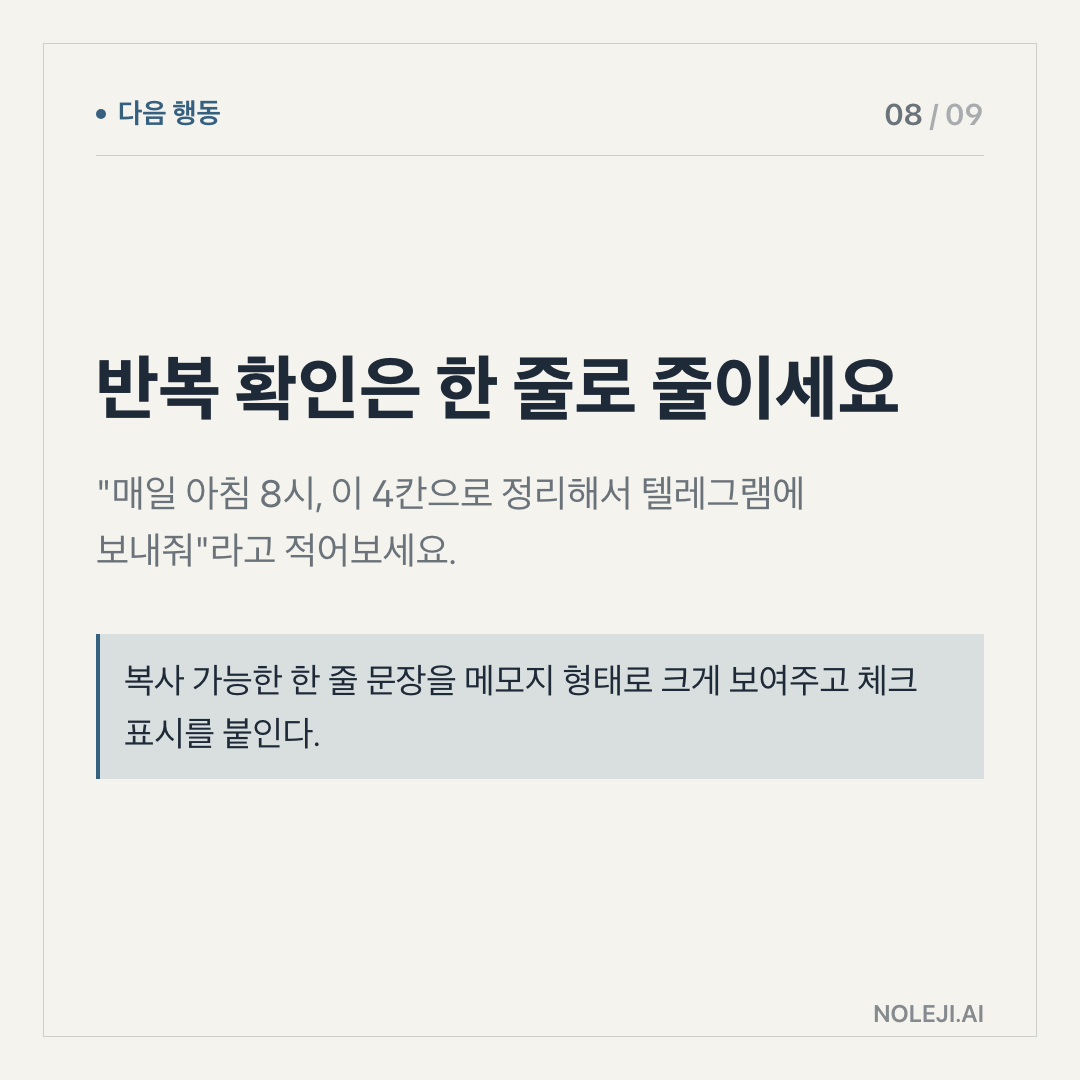
복붙용 체크 문장:
> “This bot is allowed to summarize my watchlist, but it is not allowed to make my decision.”
Try one report before building the whole machine
If I were testing this today, I would not start by automating everything.
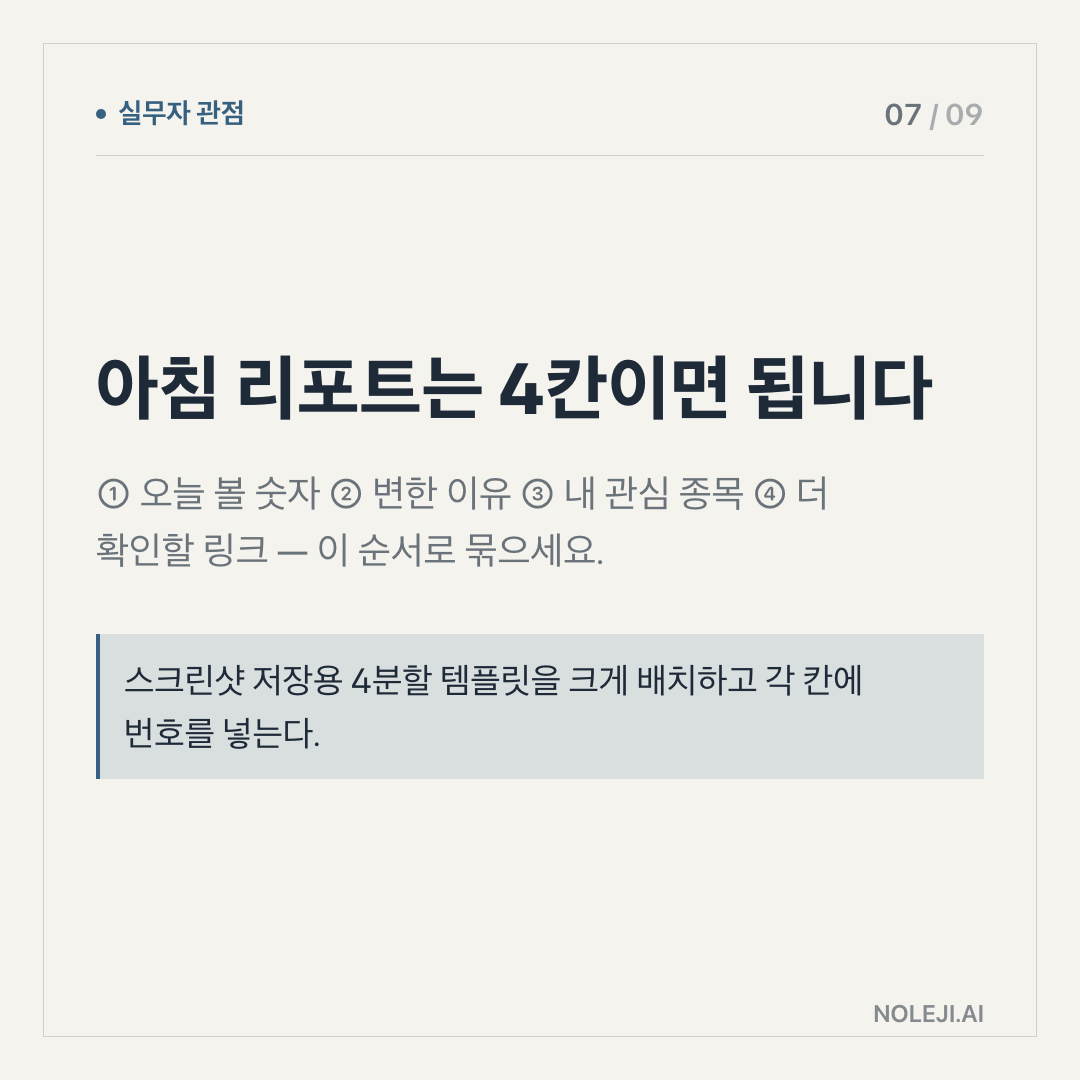
I would pick one watchlist, one delivery time, and one message format. For example: every weekday morning, send three items to Telegram: price movement, one news point, and one question worth checking manually. That is enough to learn whether the routine helps.
A small first version could look like this:
① Choose one narrow target: five stocks, one sector, or one ETF theme. ② Decide the delivery moment: before work, lunch, or market close. ③ Keep the report short: “what changed / why it may matter / what I should verify.” ④ Add a failure rule: if the bot has no reliable source, it must say so. ⑤ After seven days, delete anything you did not actually read.
The primary next step is simple: before copying any automation, write the report you wish you received tomorrow morning in six lines. Then build only the parts needed to deliver that report.
Next piece: I will look at how a non-developer can design a personal automation brief without accidentally creating a second inbox.
Take-aways
- 5 minutes is a small unit, but it is enough to change whether a morning routine survives
- The question I kept circling was simpler: can one person build a useful “morning desk assistant” without turning it into another software project?
- The shared source points to an open-source example built with GitHub Actions and Telegram
→ 한국어 버전 →