I used to confuse “cheap” with “responsible”
I once cancelled a $20 AI subscription because it felt indulgent, then spent the next week rewriting the same client memo three times by hand.
That was my mistake. I judged the tool by the invoice, not by the work it was removing from my day. For a non-developer office worker, that is the wrong math.
My argument is this: being fiscally careful with AI in 2026 is not about cutting every paid tool. It is about separating tools that quietly return time from tools that only calm your fear of falling behind.
The trap is treating every AI bill like the same kind of waste
A lot of people now look at their monthly software stack and feel a small panic. ChatGPT here, Claude there, Perplexity, Canva, Notion AI, meeting transcription, image tools, writing tools. Each one looks small alone. Together they start to feel like a drawer full of forgotten subscriptions.
So the common advice is simple: cancel first, ask later.
I understand that instinct. But it misses something. AI tools are not like streaming services where the question is mostly, “Did I watch enough this month?” They sit inside work. Sometimes they replace a thirty-minute draft, a first translation pass, a messy meeting summary, or the blank-page anxiety before a proposal.
The better question is not “Is this tool cheap?” The better question is “Does this tool repeatedly remove a task I would otherwise avoid, delay, or overthink?”
That is less tidy than a subscription audit. It is also more honest.
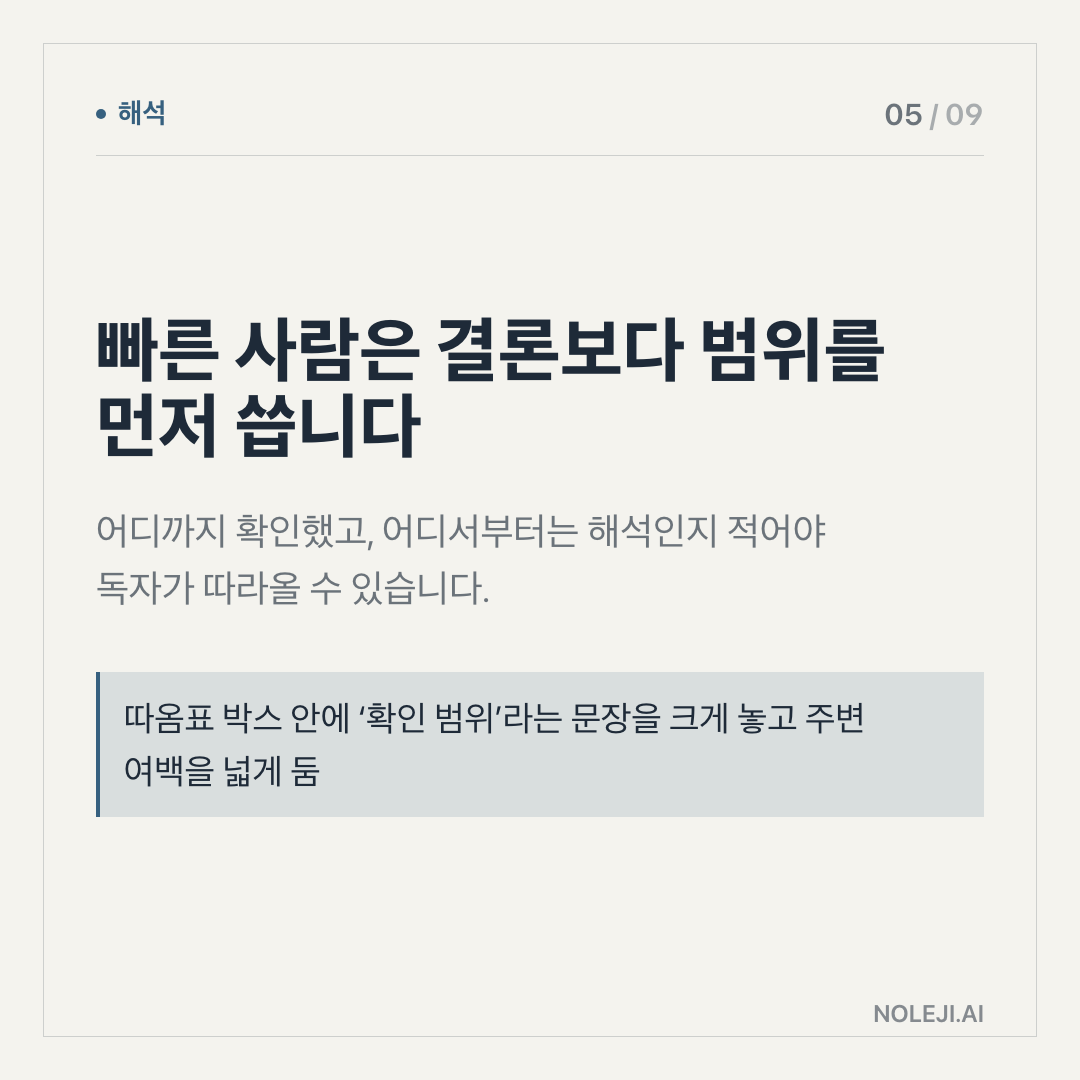
The fiscal check is not the price. It is the repeatable use case.
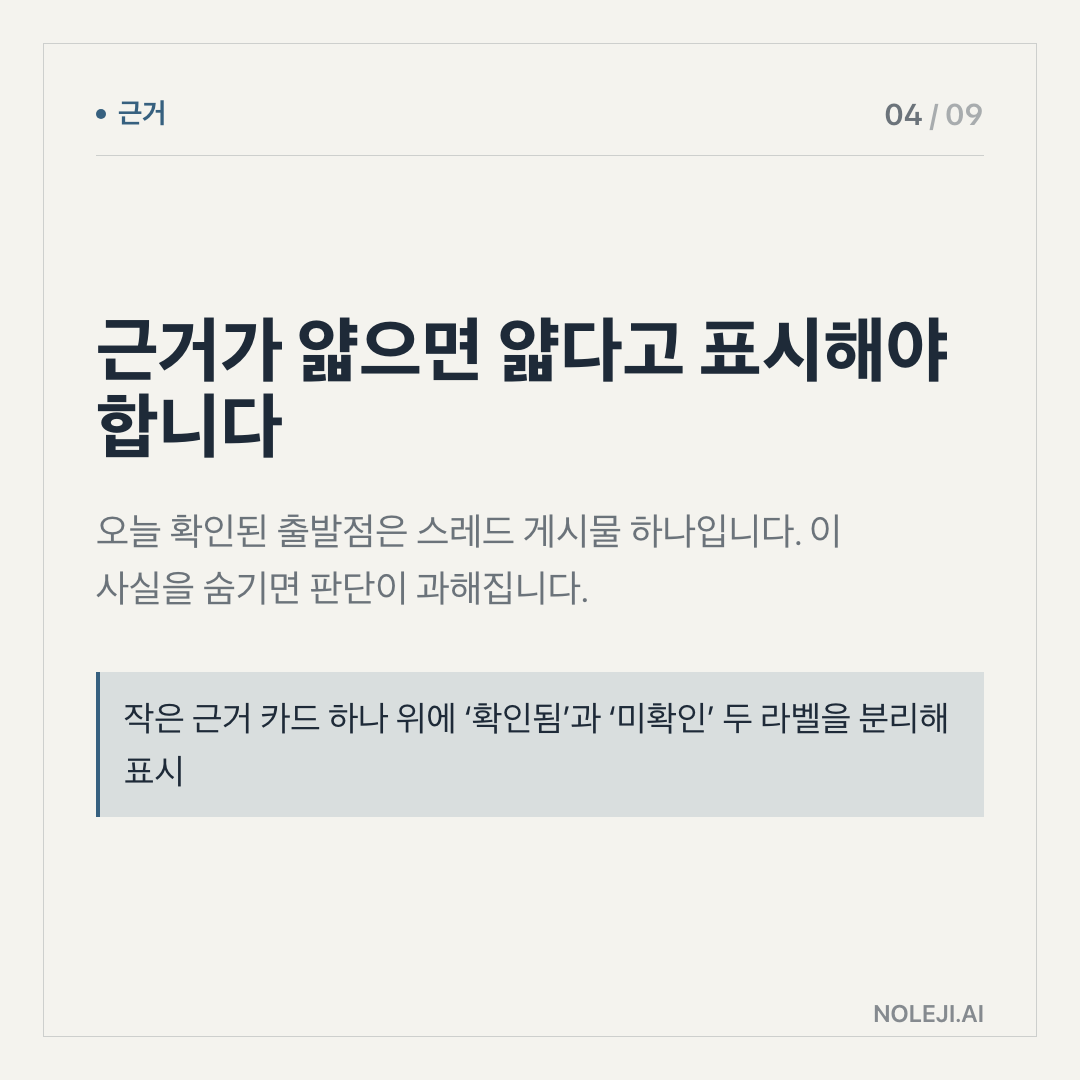
The only source attached to today’s item is a Threads post from @bradwalsh. The available evidence is thin: I do not have a full report, pricing table, or formal product announcement to verify against. So I would not build a big industry claim from it.
But the phrase “being fiscally” is useful because it points to a real shift I keep seeing around AI tools: people are moving from excitement spending to accountability spending.
In 2023 and 2024, many workers paid for tools because they wanted access. In 2025, the question became whether the tool could actually fit into a workflow. By 2026, the question is sharper: can I justify this every month without lying to myself?
For me, the cleanest test is a two-column audit.
| Keep checking now | Can wait |
|---|---|
| A paid AI tool used at least 3 times a week for recurring work | A tool you opened once after seeing a viral post |
| A tool that saves a named task: draft, summarize, translate, compare, format | A tool that only feels “strategic” in theory |
| A tool whose output you can review faster than you can create from scratch | A tool that creates more cleanup than progress |
| A tool tied to money, time, or deadlines | A tool tied mostly to curiosity |
| A tool you would miss within 7 working days | A tool you forgot existed until the card bill arrived |
I use a simpler version of this for my own work. If a tool helps me produce a first draft in ten minutes instead of staring at a blank document for forty, I do not treat that as luxury. I treat it as a small system for protecting focus.
But I am strict about the other side. If I cannot name the task it performs, I cancel or pause it. “It might be useful someday” is not a business case. It is anxiety with a monthly renewal date.
The office analogy is hiring a part-time assistant. You would not keep paying an assistant just because they seem smart. You would ask what they reliably take off your plate. AI tools deserve the same treatment.
This does not work when the work itself is unclear
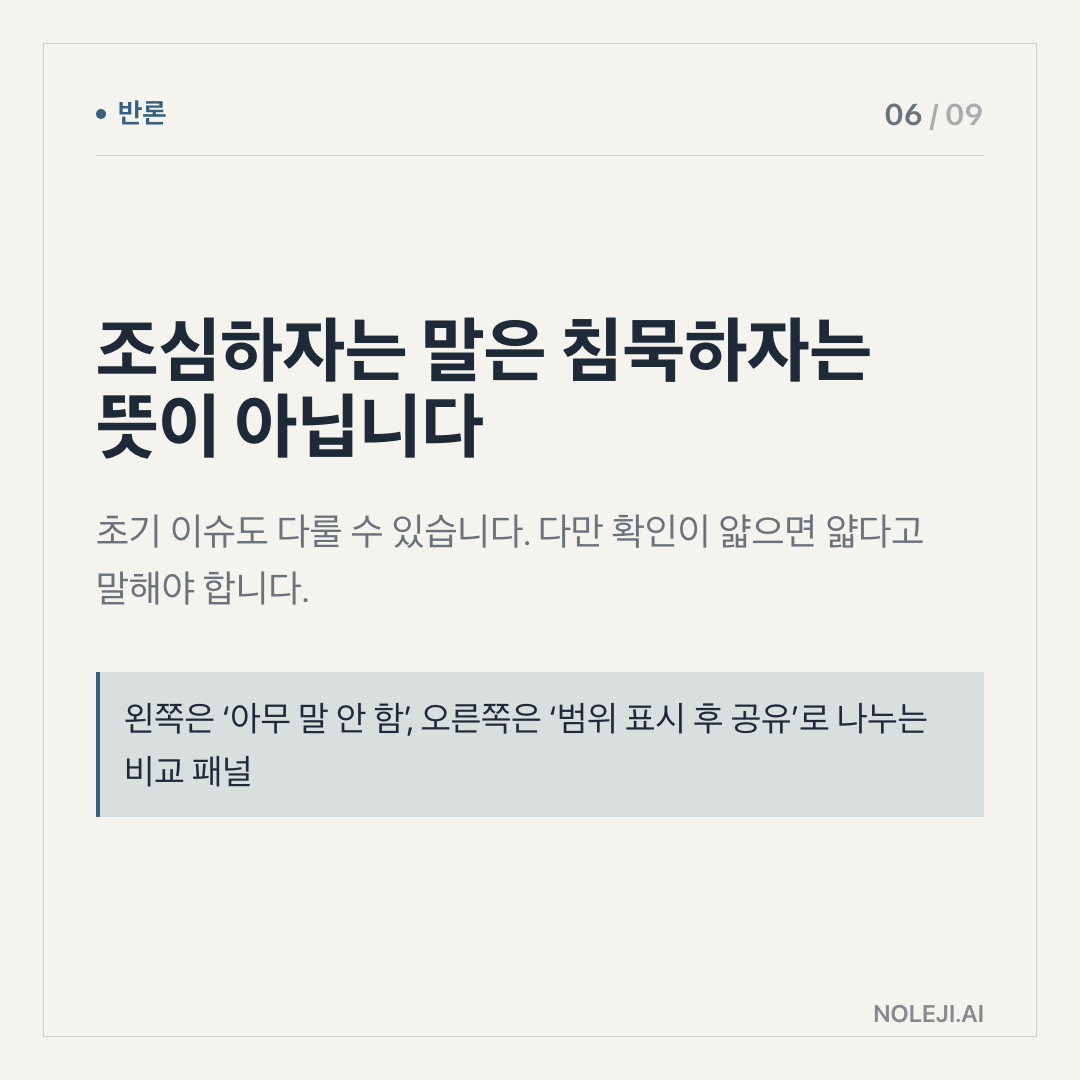
There is a limit to this framework. If your job does not yet have repeatable tasks, the audit gets fuzzy.
A founder exploring a new market, a researcher testing unknown directions, or a designer searching for visual language may need more experimental tools for a while. In those cases, the value is not always weekly repetition. Sometimes the value is faster exploration.
But even then, I would put a time box around it. Thirty days is reasonable. Three forgotten months is not.
There is also a quality trap. A tool can save time and still lower the standard of the work. I have seen AI summaries that were quick, clean, and wrong in exactly the way that causes trouble later: missing the uncomfortable detail, smoothing out disagreement, turning a decision into polite fog. If the output touches clients, finance, law, medical advice, or hiring, speed is not enough. Review time belongs in the cost.
Do this before cancelling anything tonight
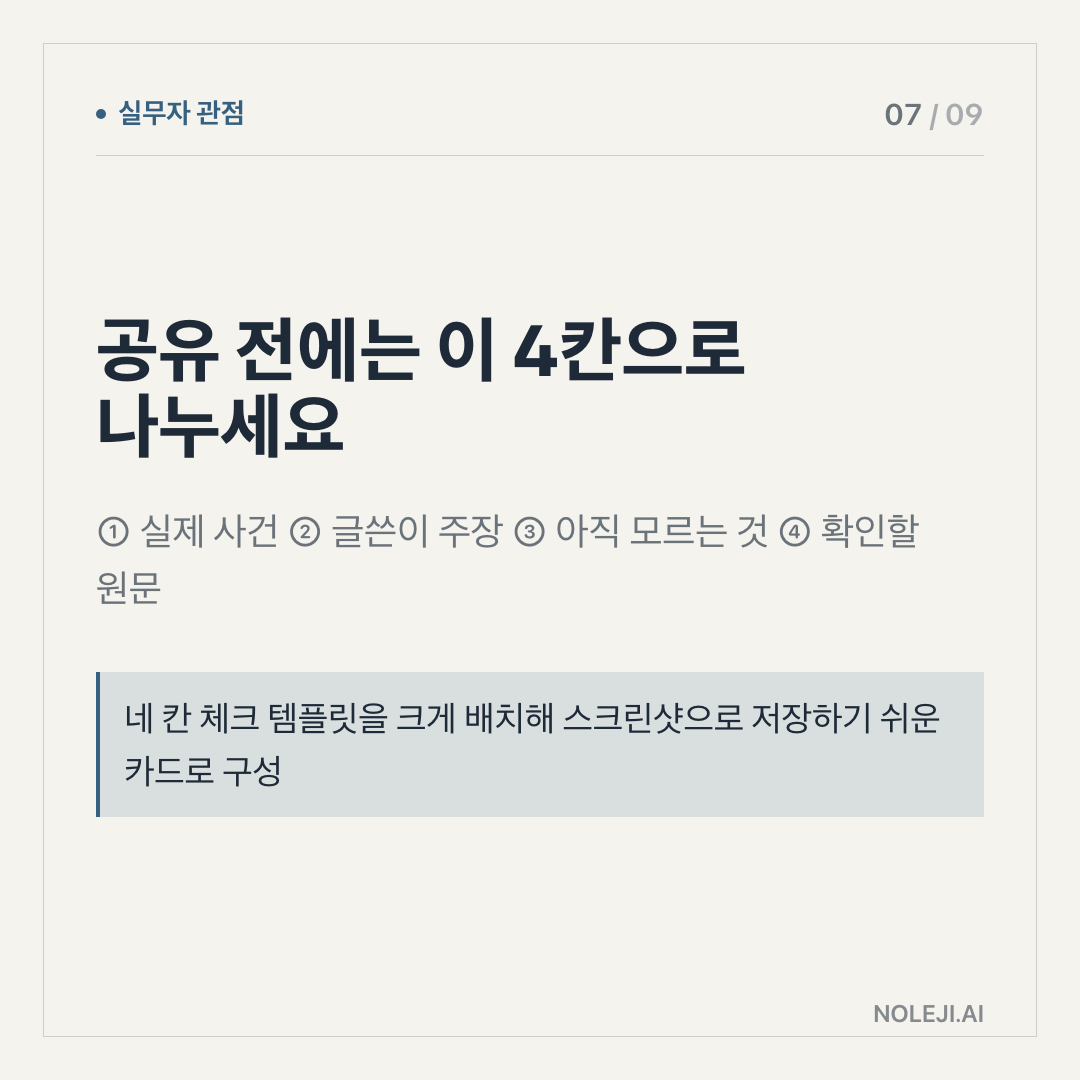
Before you cut your AI stack, make a small ledger. Not a spreadsheet with twenty tabs. Just a plain list you can finish in fifteen minutes.
① Write down every AI tool you paid for in the last 30 days. ② Next to each one, name the exact task it helped with. If you cannot name one, mark it “pause.” ③ Estimate the time saved in one normal week. Be conservative. ④ Ask whether you reviewed the output faster than doing the work yourself. ⑤ Keep only the tools that pass both tests: repeated use and reviewable output.
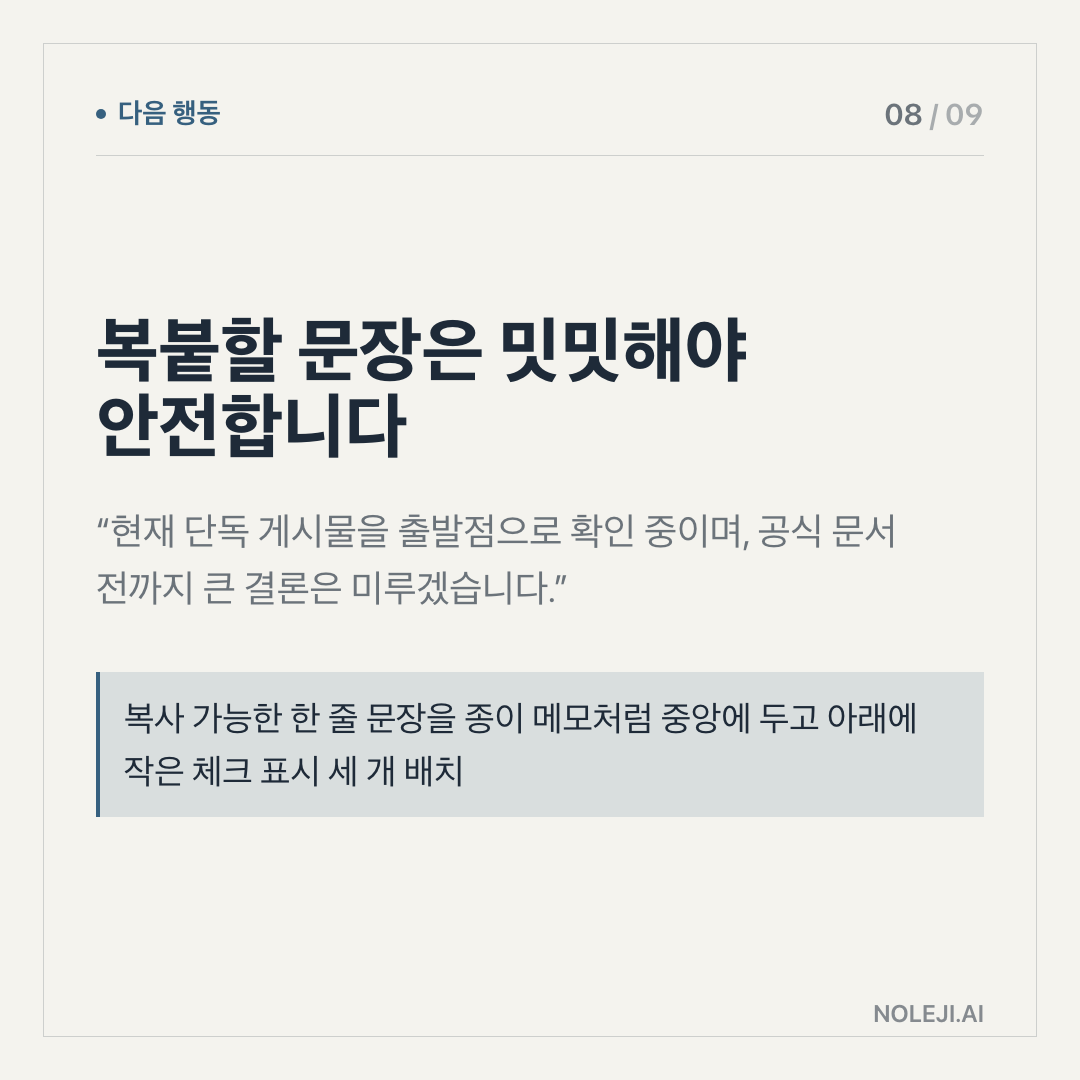
복붙용 line:
> I will keep this AI tool only if it removes a recurring task and I can verify the output faster than I can create it myself.
My primary next step: do the 15-minute AI bill audit before adding another tool.
Next edition: I will look at the opposite problem — when saving money on AI tools quietly costs you momentum at work.
Take-aways
- I once cancelled a $20 AI subscription because it felt indulgent, then spent the next week rewriting the same client memo three times by hand.
- That was my mistake
- My argument is this: being fiscally careful with AI in 2026 is not about cutting every paid tool
→ 한국어 버전 →