I Was Wrong to Treat Boiling as the Easy Part
I used to think “boiling water” was the kind of science example you give when you want everyone to relax. Put water in a pot, turn on heat, wait for bubbles. Last week, while explaining it to someone who does not work in science, I realized I had been using the easy version because it helped me sound clear.
The harder question is this: if boiling feels obvious on Earth, what exactly changes when the place, pressure, and container change?
The Thread Pointed to a Small Question With a Larger Trap
The source here is thin: a single Threads post from the Museum of Science account. I cannot treat that as a full research brief, and I would not build a big claim from it alone.
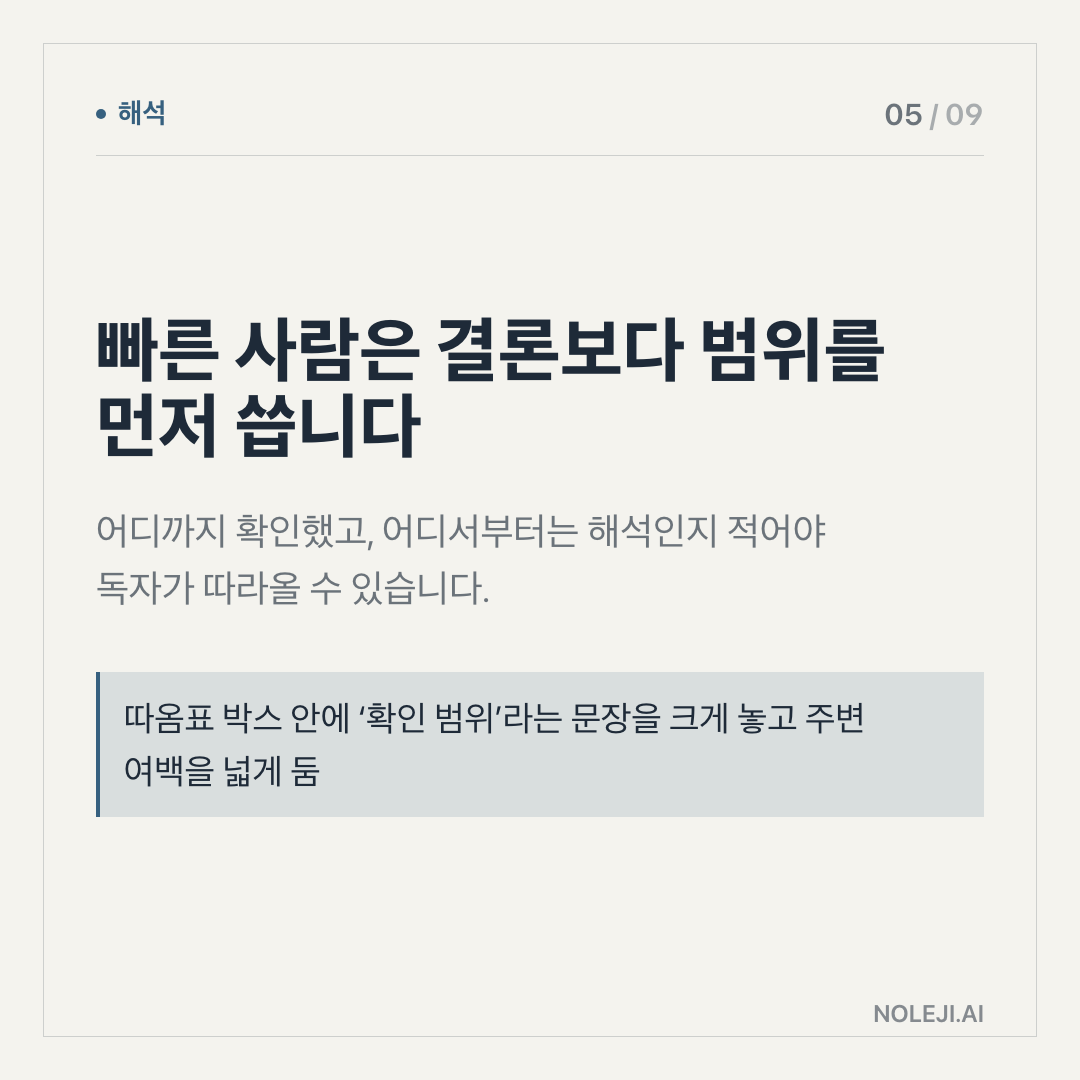
But the question itself is useful because it exposes a habit many of us have with science and technology. We memorize the result, then forget the conditions. Water boils at 100°C sounds like a fact. In practice, it is a fact with an address attached: near sea level, under Earth’s ordinary atmospheric pressure.
That is where I got stuck in my own explanation. I could say “pressure changes boiling point,” but that sentence still felt too clean. It did not help a non-scientist picture what actually changes.
So I translated it the way I would translate a workplace tool: the same task behaves differently when the environment changes. A spreadsheet formula, a Zoom call, a coffee machine, a home router. None of them works in the abstract. They work inside settings.
The Real Lesson Is That Simple Processes Have Hidden Settings
My thesis is this: the useful takeaway from a “could you boil” science prompt is not about boiling. It is that many things we call simple are only simple because the surrounding system is quietly doing work for us.
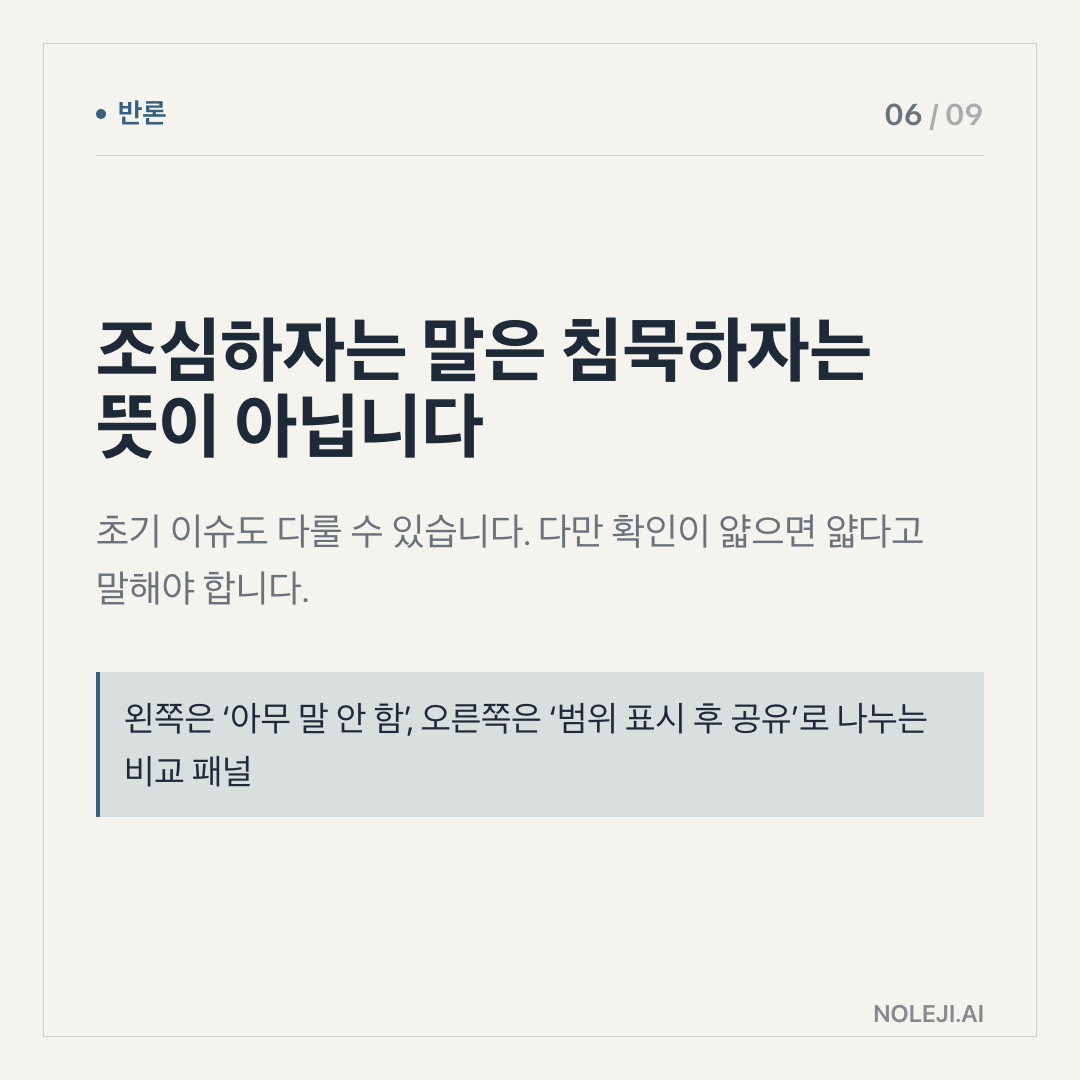
Someone can disagree with that. They could say boiling is still boiling, and the details belong in a physics classroom. I think that misses why this kind of question is worth keeping.
On Earth, a pot of water has help. Gravity keeps the water settled at the bottom of the container. Air pressure presses on the surface. The stove adds heat from below. The pot holds the liquid in place. Your kitchen gives you stable ground, breathable air, and a familiar idea of “up” and “down.”
Change one of those, and the ordinary mental picture starts to wobble.
At lower pressure, water can boil at a lower temperature. That is why high-altitude cooking is a real problem, not a trivia note. In places like Denver, which sits roughly 1,600 meters above sea level, water boils below 100°C. Pasta still cooks, but timing changes. Beans and rice can become less predictable. The everyday recipe was written for a different pressure.
In a pressure cooker, the opposite happens. The sealed container raises pressure, so water can get hotter before it boils. That is why it cooks food faster. The device is not “more heat” in a simple sense. It changes the condition under which heat works.
In microgravity, the picture gets stranger. Bubbles do not rise in the way we expect because buoyancy depends on gravity. Hot fluid and cool fluid do not circulate in the same kitchen-friendly pattern. A process that looks basic on a stove becomes a question about fluid behavior, heat transfer, and container design.
Here is the version I would keep:
| Situation | What changes | Why a non-scientist should care |
|---|---|---|
| Sea-level kitchen | Pressure and gravity feel normal | The 100°C rule mostly works |
| High-altitude kitchen | Lower air pressure | Recipes and cooking times shift |
| Pressure cooker | Higher pressure inside a sealed vessel | Food cooks faster because water can run hotter |
| Space or microgravity | Bubbles and fluids behave differently | “Simple” physical habits may stop matching intuition |
This is also a useful way to think about AI tools at work.
A prompt that works in one job, one company, or one dataset may fail somewhere else. The visible action looks the same: type request, get output. But the hidden settings differ. Source quality, permissions, review standards, risk tolerance, customer context, internal vocabulary. Those are the pressure and gravity of office work.
I am taking a firm position here: people who want to use automation well should spend less time collecting clever prompts and more time naming the conditions that make a prompt safe to use.
That sounds less exciting. It is also more reusable.
The Weak Point Is That One Post Cannot Carry the Whole Science
I would not overstate the evidence. The available source is a short social post, not a detailed paper or mission note. It gives us a question worth following, but it does not give enough detail to make precise claims about a specific experiment, setting, or result.
There is another limit. Science communication often compresses messy physics into a clean hook because that is how people first enter the topic. I am doing some of that here too. Pressure, heat, gravity, surface tension, and container geometry can all matter, and I am not pretending this short archive note replaces a textbook.
The safer reading is modest: the boiling question is a reminder to check the environment behind a familiar fact.
Try This Before You Automate One More Repetitive Task
Use the boiling-water test on one workflow today. Pick something you think is simple: summarizing meeting notes, drafting a reply, cleaning a spreadsheet, preparing a weekly update.
Before you automate it, write down the hidden settings:
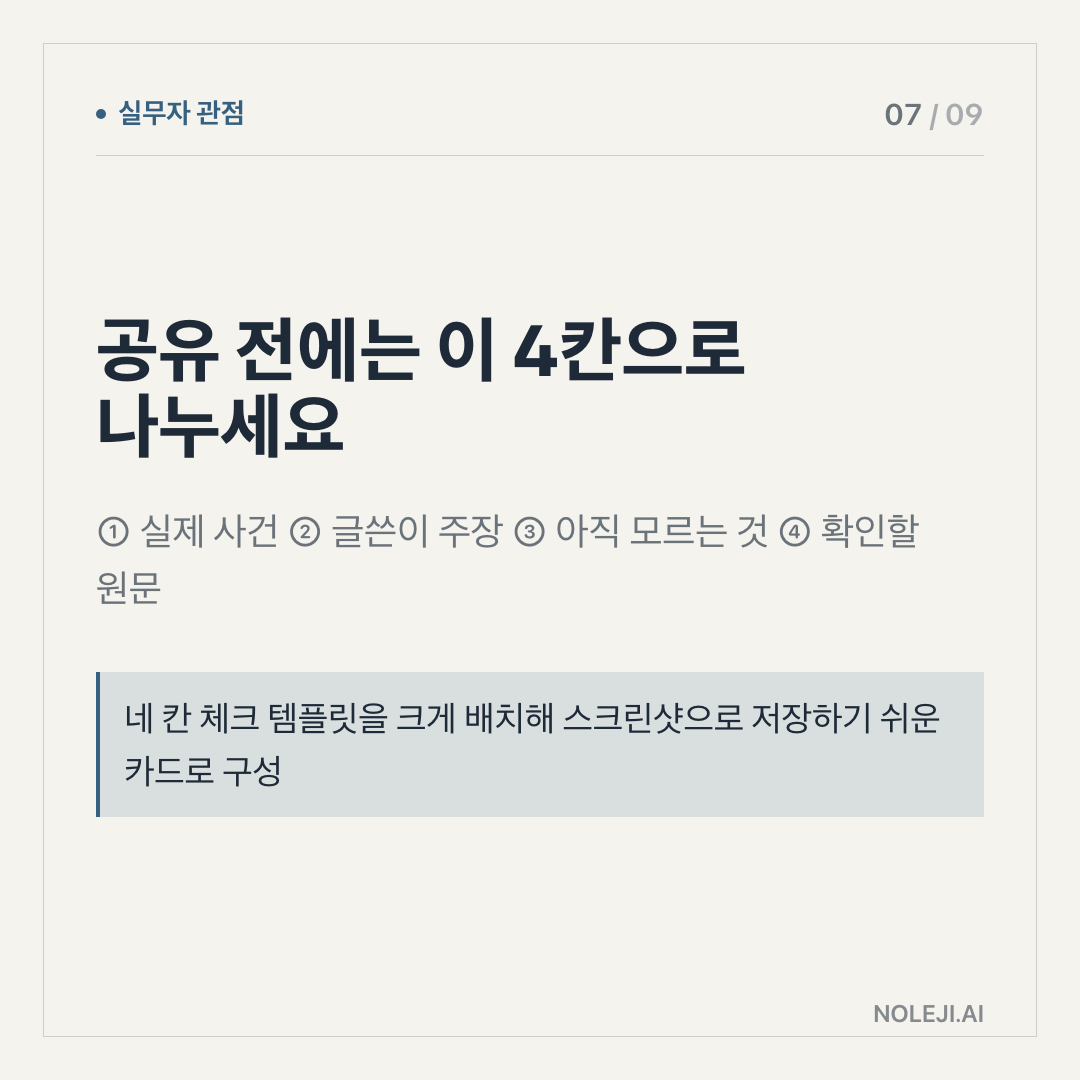
① What must be true for the output to be useful? ② What source does the tool rely on? ③ What mistake would be costly? ④ Who checks the result before it leaves your desk? ⑤ What changes when the task moves to another team, client, or country?
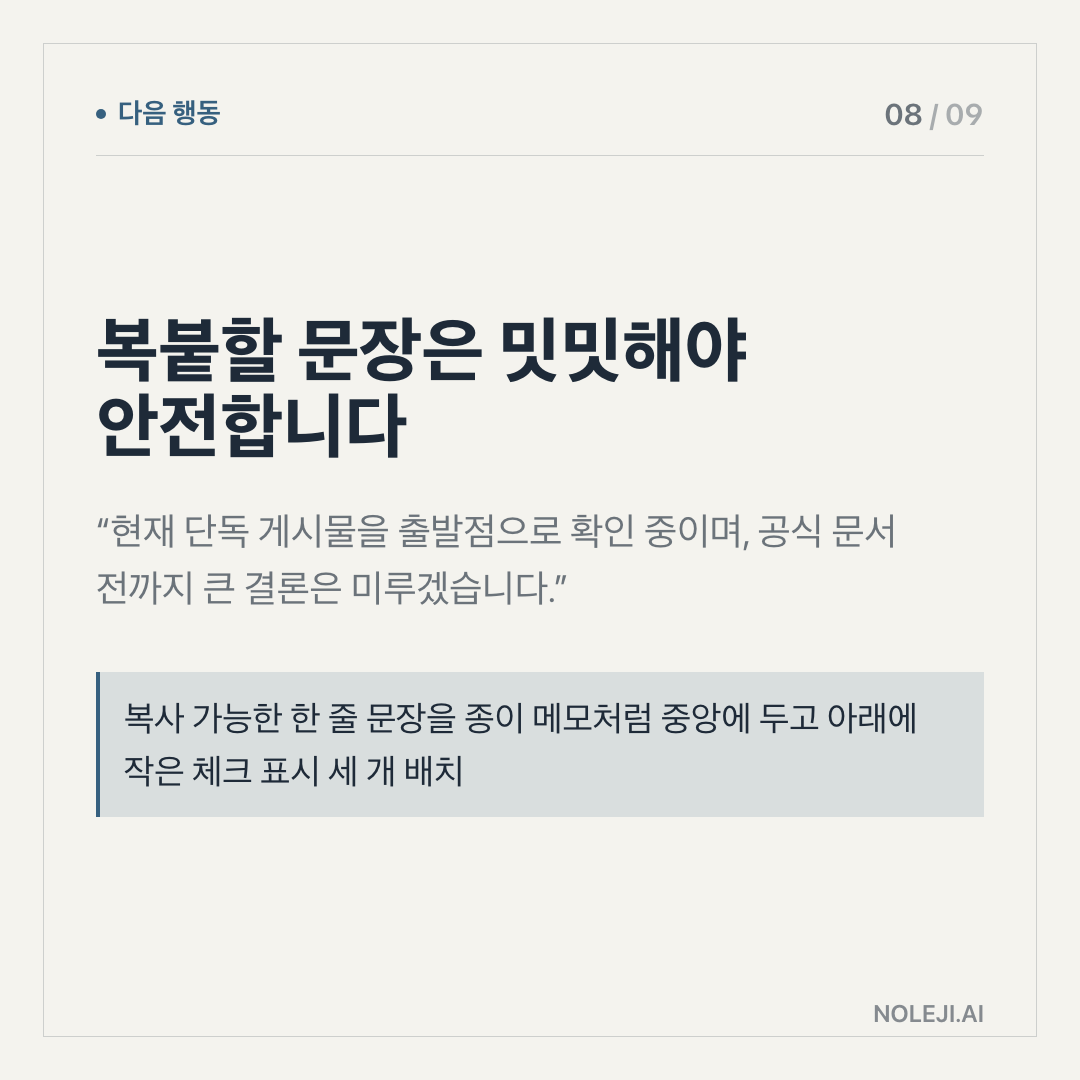
복붙용 line to keep:
> A task is only simple after I name the conditions that make it simple.
Primary next step: save that line and test it on one repeated task before using an AI shortcut.
Next edition: I will look at another science prompt where the familiar answer breaks first, then ask what it teaches us about building small systems for future work.
Take-aways
- I used to think “boiling water” was the kind of science example you give when you want everyone to relax
- The harder question is this: if boiling feels obvious on Earth, what exactly changes when the place, pressure, and container change?
- The source here is thin: a single Threads post from the Museum of Science account
→ 한국어 버전 →