A small science post is not a finished fact
A science post is supposed to tell us what happened; I think that is the wrong job. A short item from New Scientist on Threads, titled “The creaky noise one step late,” gives us too little to treat as settled knowledge. That does not make it useless.
It makes it useful in a different way.
For people who do not work in labs, code, or research teams, science updates often arrive as fragments: one line, one clip, one strange title, one link we mean to open later. My view is simple and slightly unfashionable: the value of these fragments is not that they make us informed immediately, but that they train us to notice what still needs checking before we repeat it at work, in a meeting, or in our own writing.
The trap is acting informed too early
The common habit is to read a science headline and convert it into a clean takeaway. “Researchers found X.” “The brain does Y.” “This proves Z.” It feels efficient, especially on a busy weekday.
I have made this mistake myself. Last week, I saved a short science post because the wording was memorable, then caught myself preparing a neat explanation before opening the original context. That is exactly where casual science reading goes wrong: we turn a hook into a conclusion because the hook is easier to carry around.
“The creaky noise one step late” is a good reminder because the phrase itself almost demands interpretation. It sounds like perception, timing, aging, movement, maybe even the body noticing a sound after the action that caused it. But with only the available Threads reference from New Scientist, I cannot responsibly say which mechanism, study, or claim sits underneath it.
That gap matters. In office language, this is the difference between hearing “the client is unhappy” and knowing whether the client is unhappy about price, timeline, quality, or one email that landed badly. The sentence may be true, but it is not yet actionable.
Read the delay before you read the drama
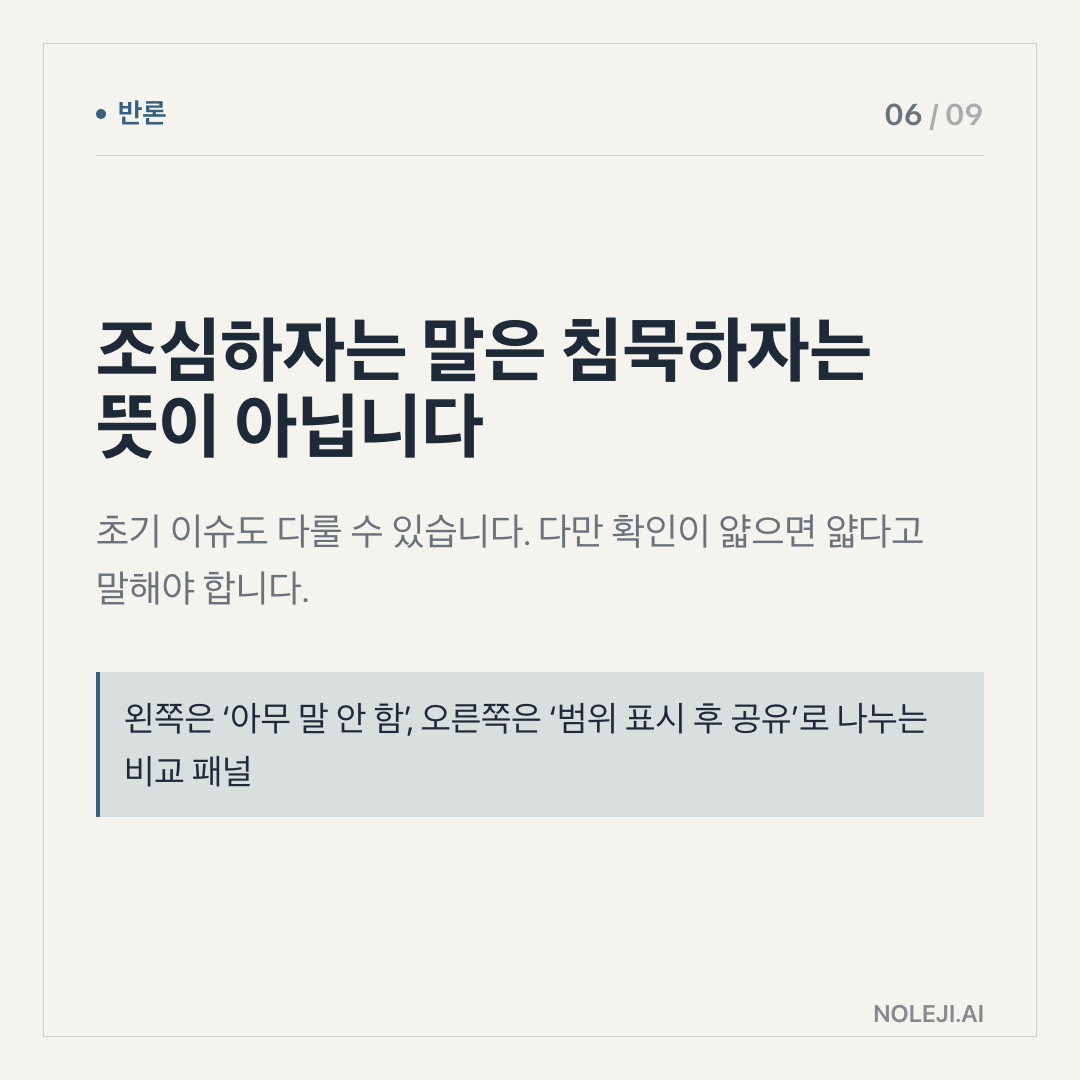
Here is the argument I would defend: in everyday science reading, the most important skill is not faster comprehension but slower transfer. Do not move a claim from “interesting” to “usable” until you know what kind of claim it is.
That sounds cautious, maybe even dull. But it is practical. A non-specialist does not need to become a neuroscientist, physicist, or biologist every morning. We need a working filter that protects us from sounding smarter than the evidence allows.
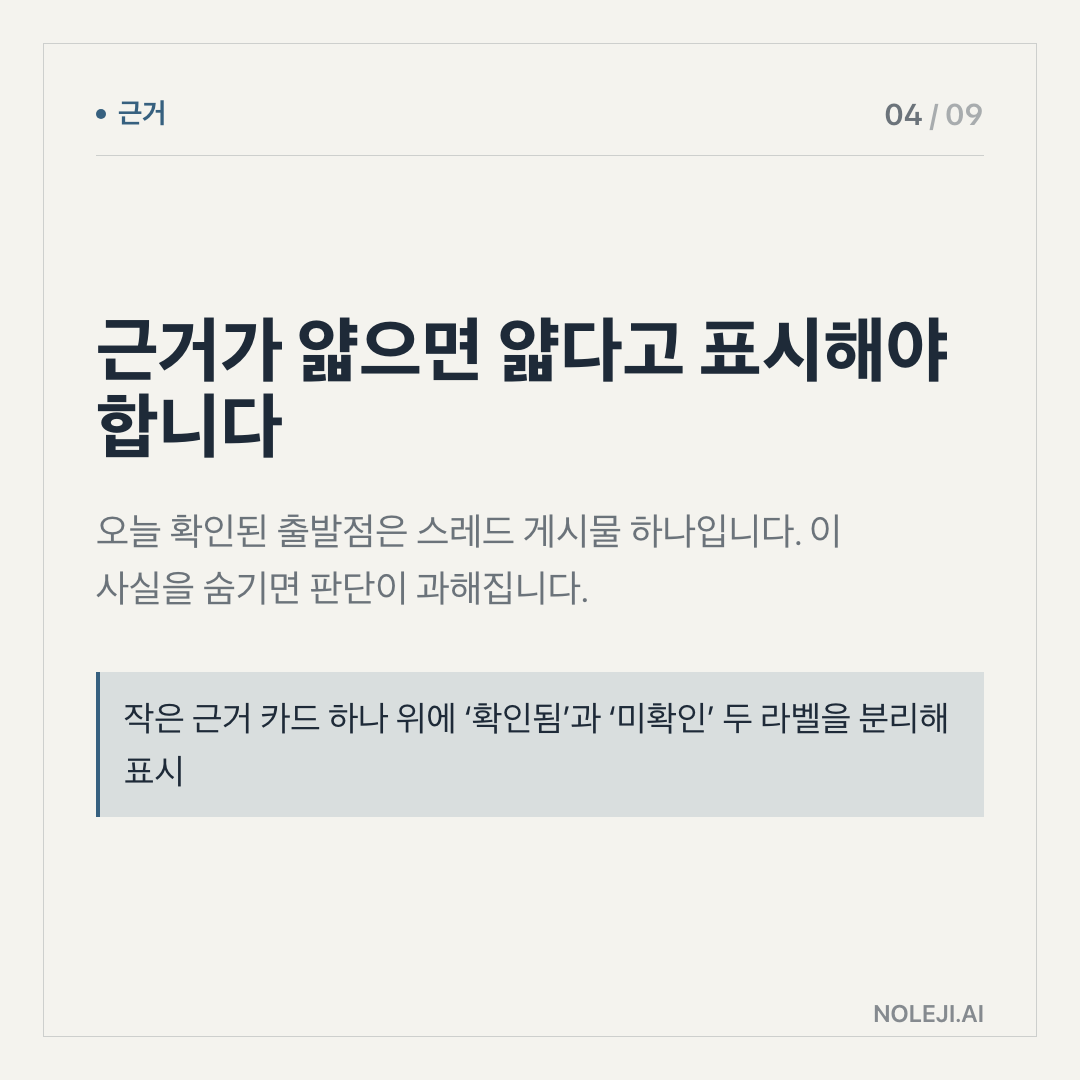
In this case, the only named source available here is New Scientist’s Threads post at threads.com. That gives us a reputable publication name and a title, but not enough detail to know the underlying paper, sample size, method, date, or whether the post is summarizing a peer-reviewed study, a magazine article, a short observation, or a teaser. If I pretend otherwise, I am not translating science for ordinary workers. I am decorating uncertainty.
The phrase “one step late” is still worth keeping because it points to a pattern many people can recognize: our minds often explain an event after the body has already reacted. You hear a noise, feel a mismatch, and only then search for the cause. In work, the same thing happens with automation. A process feels “creaky” before the team can name the bottleneck. A meeting feels late before anyone admits the decision should have been automated, delegated, or removed.
That is where a science fragment can help without being overclaimed. It gives us a handle. Not a verdict. Not a productivity hack. A handle.
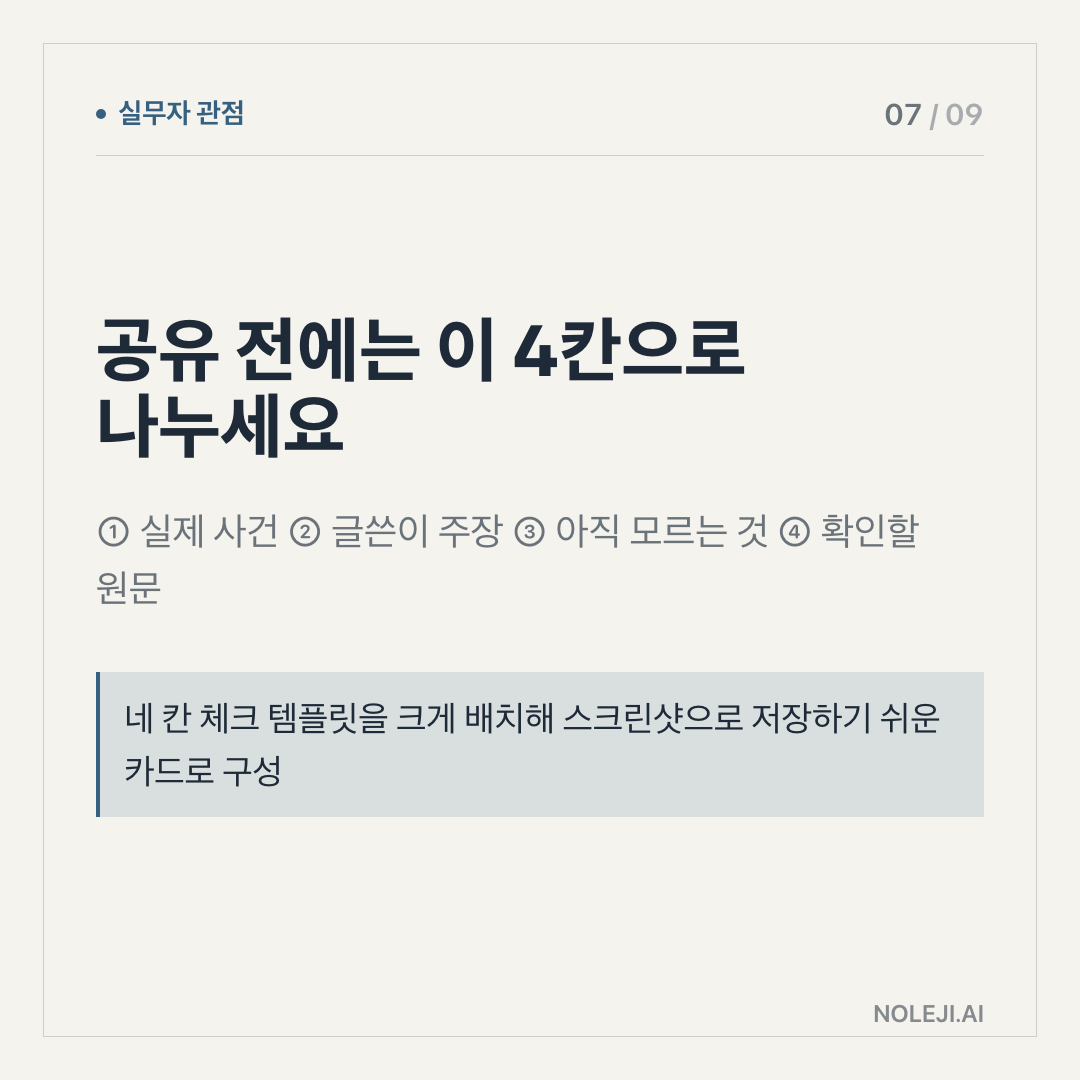
I would treat today’s note like this:
| What I can say now | What I should not say yet |
|---|---|
| New Scientist posted a short item titled “The creaky noise one step late.” | The post proves a specific theory about perception or the brain. |
| The wording suggests a timing mismatch worth checking. | We know the study design, sample, or strength of evidence. |
| The item is useful as a prompt to examine delayed awareness in daily work. | The finding can be directly applied to productivity, health, or AI workflows. |
| A careful reader should open the source before repeating the claim. | A memorable title is enough to brief other people. |
This table is the portable part. I use a version of it when I read AI news too. “What changed?” goes in the left column only if I can point to a source. “What people are tempted to say?” goes in the right column until the evidence catches up.
For non-developer workers, this habit matters more now because AI tools reward confident phrasing. You can ask a model to turn a headline into a briefing, and it will often produce a smooth explanation even when the input is thin. Smoothness is not the same as support. If the first source is only a short social post, the output should carry that thinness honestly.
Sometimes the fragment is too thin to use
There is a fair objection: if the source is this limited, why write about it at all?
Because not every useful archive note has to be a full explanation. Some notes are reading discipline. They teach us how to hold an interesting thing without rushing to own it.
But there is a hard limit. I would not use this item to advise a product decision, a health choice, a classroom explanation, or a workplace training slide. I would not quote it as evidence in a strategy memo. I would not turn it into “science says” content.
The better use is smaller: save it, tag it, and come back when the fuller New Scientist article or original study is available. If no fuller context appears, let it remain a curiosity. Not every saved item deserves to become knowledge.
Today’s move: keep the question, not the conclusion
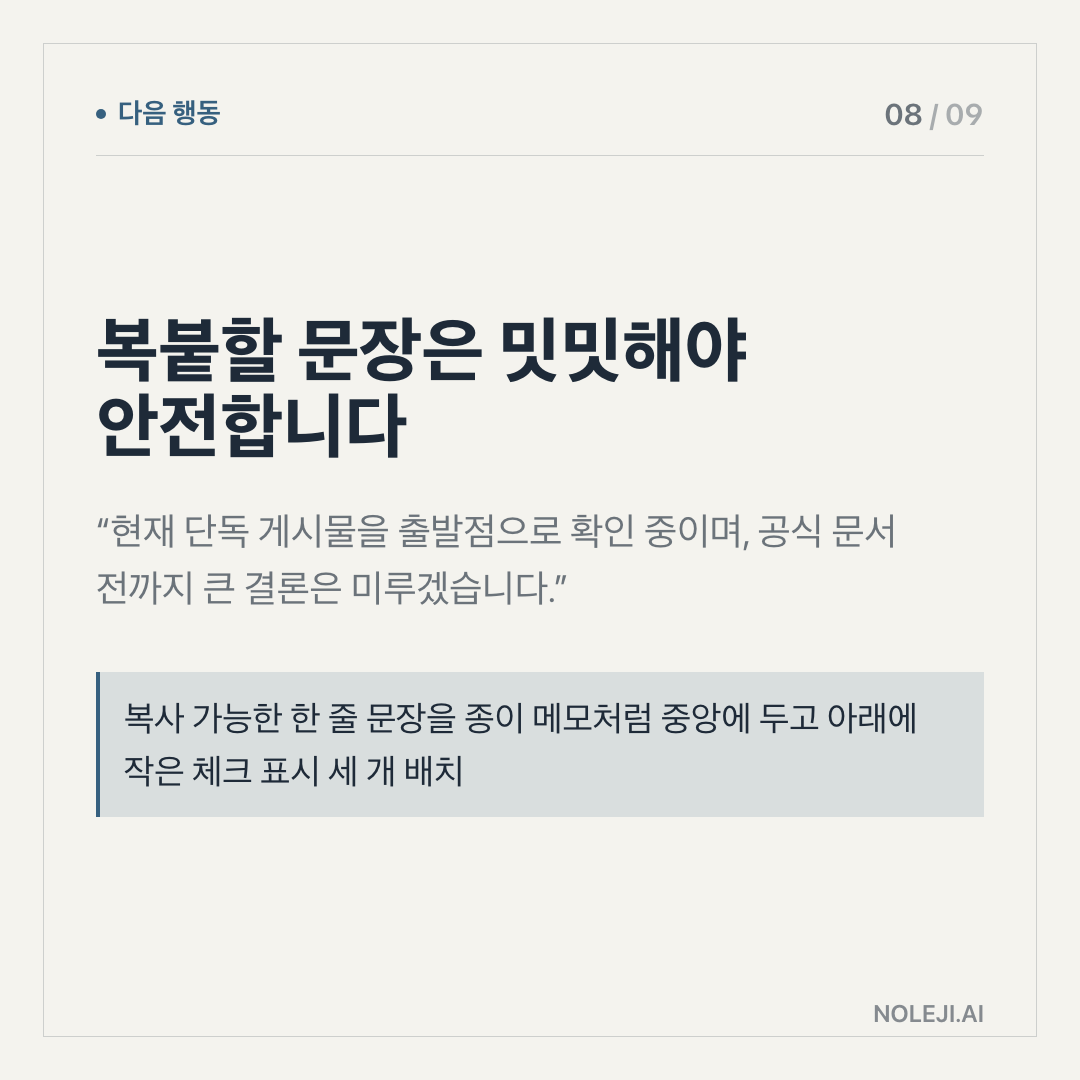
Do this today: when a science or AI headline catches you, save one sentence beside it before you share it.
복붙용 line:
> “Interesting, but I only have the headline/post so far. I’m saving it as a question, not using it as evidence yet.”
That one sentence changes the posture. It keeps the curiosity alive without making you perform certainty.
For this note, the question I would keep is: where do humans notice a delay only after the system has already started creaking? In the body, that may be a science question. At work, it is an automation question. A small system, built early, often saves more time than a big fix built after everyone can hear the noise.
Next step: open the New Scientist Threads post, then look for the fuller article or study before turning the idea into a claim.
Next edition: I’ll look at how small “one step late” moments show up in daily work systems, and how to catch them before they become recurring friction.
Take-aways
- A science post is supposed to tell us what happened; I think that is the wrong job
- It makes it useful in a different way.
- For people who do not work in labs, code, or research teams, science updates often arrive as fragments: one line, one clip, one strange title, one link we mean to open later
→ 한국어 버전 →