I almost treated one post as the whole story
I made the first mistake before I even opened my notes: I felt the urge to file the GOP item as “clear enough.”
A Threads post was circulating. The wording was sharp, the subject was familiar, and the emotional direction was easy to understand. That is exactly when I have learned to slow down.
For people who do not work inside politics or media all day, the trap is not ignorance. The trap is speed. We see a fragment, recognize the pattern, and let the pattern finish the sentence for us.
My argument today is simple: after a first political signal, the smartest move is not to decide what it “means” immediately. It is to sort what has actually changed from what merely feels consistent with what we already believe.
The moment the story stopped being the post
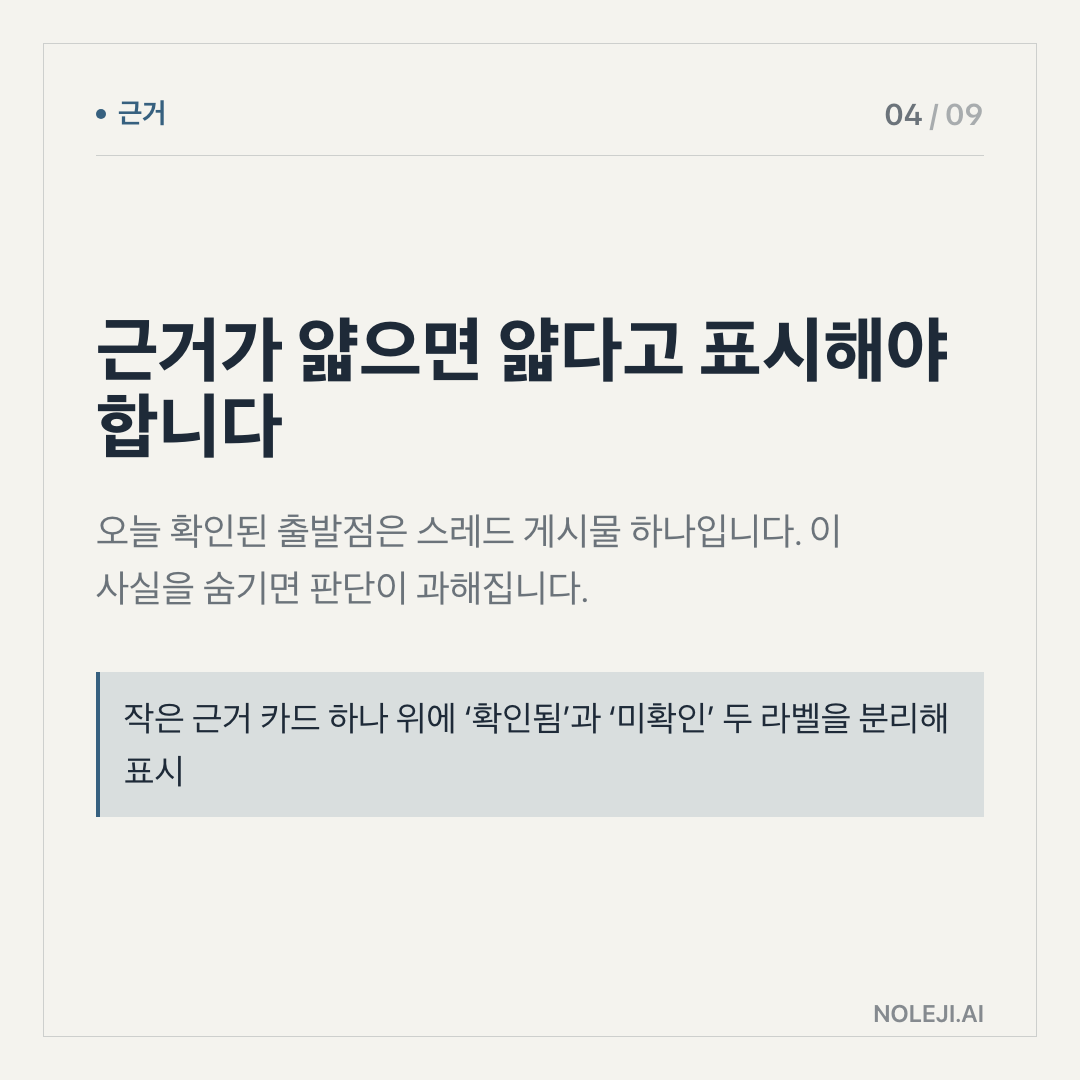
The only source I have in front of me Use this Threads post from @deanobeidallah. That matters.
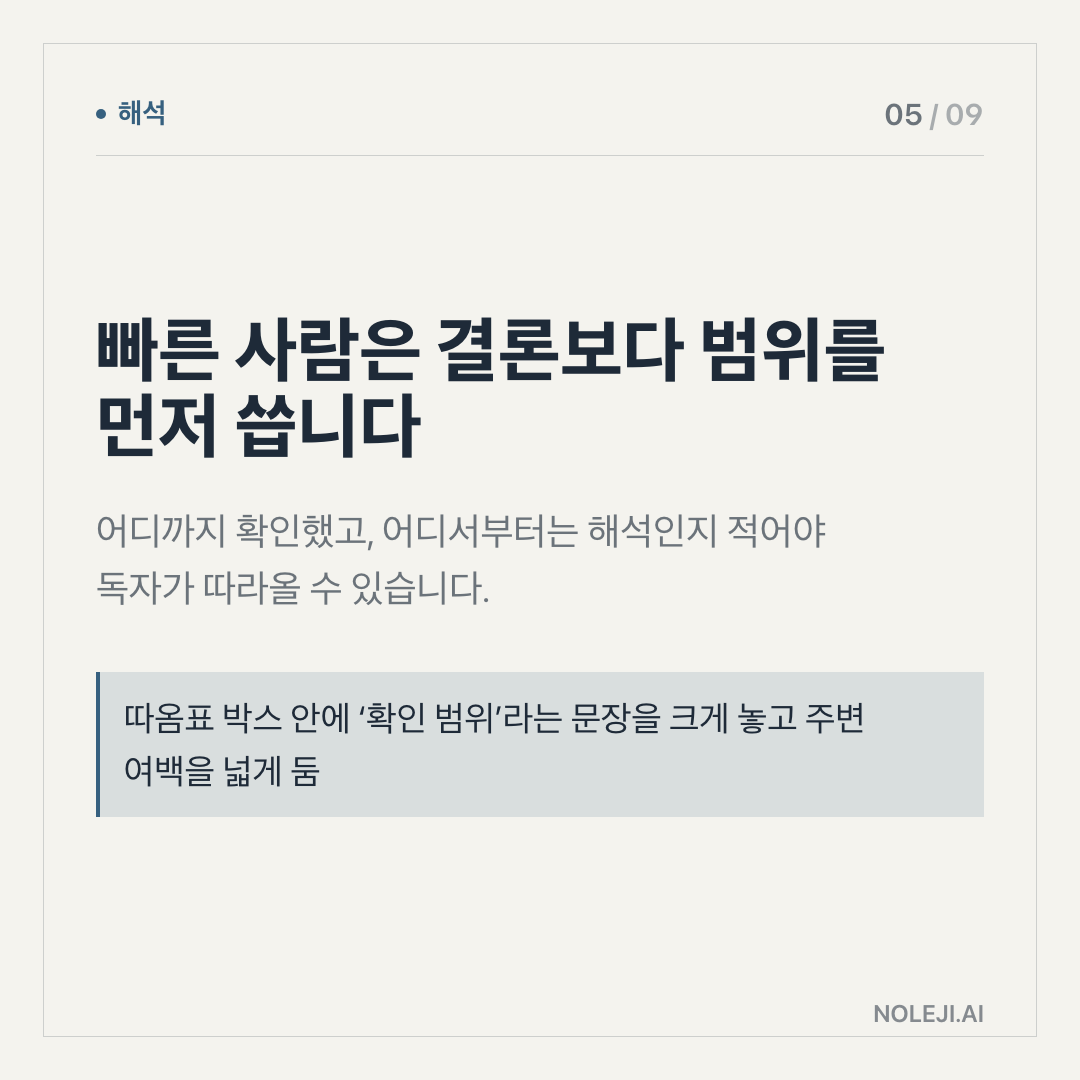
A post can be useful. It can point to something real, catch a shift early, or name what many people are noticing. But one social post is not the same thing as a confirmed sequence of facts.
This is where my earlier version of “being informed” used to fail. I would save the post, maybe share it, and then spend the next hour carrying around a conclusion that had not yet earned its weight.
The turn comes when we stop asking, “Do I agree with this?” and start asking, “What would have to be true for this to matter tomorrow?”
The useful split is not left versus right, but now versus later
For a non-developer office worker, I would compare this to a Slack message from a manager that says, “We may need to change the launch plan.”
You do not rewrite the whole project plan from that one sentence. You check three things first: who said it, what changed, and whether there is a decision behind it.
Political information works the same way. Especially with GOP-related news, the public conversation often moves faster than the underlying facts. A statement, a clip, a post, a rumor, a filing, a vote, and a policy decision can all look equally urgent in the feed. They are not equal.
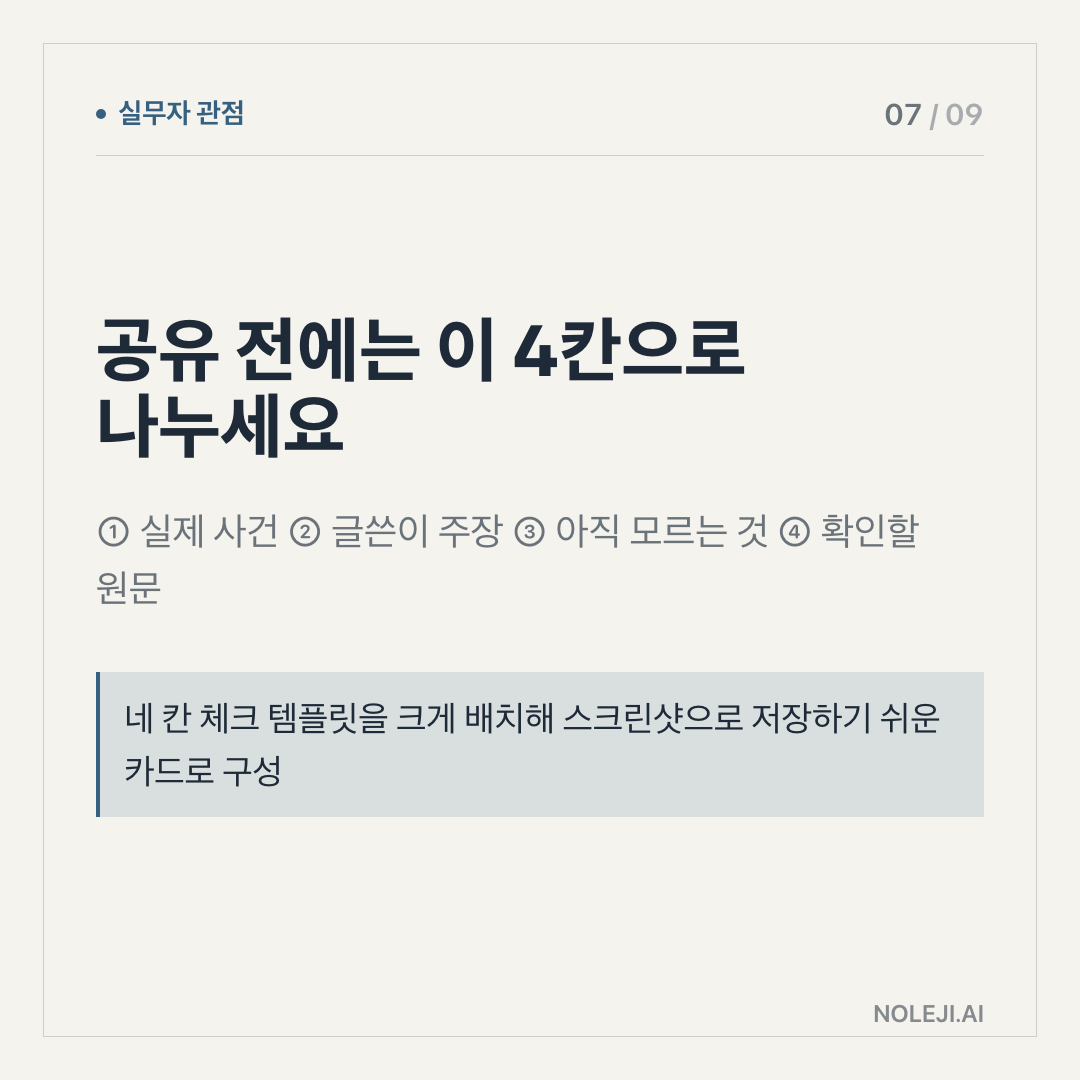
Here is the small system I would use before reacting:
| Check now | Can wait |
|---|---|
| Is there a concrete action: vote, filing, court move, official statement, resignation, funding change? | Broad claims about “what this proves” |
| Is the source pointing to primary evidence, or only reacting to another reaction? | Personality takes and mood-based interpretation |
| Has a second independent outlet or document confirmed the same core fact? | Predictions about elections, strategy, or public opinion |
| Who is directly affected if this is true? | Long arguments about historical meaning |
| What would change in the next 24 to 72 hours? | Permanent conclusions about the whole party |
This table looks almost too basic. That is why it works.
Most people do not need a grand theory five minutes after a post appears. They need a holding pattern that keeps them from becoming either cynical or gullible.
My own rule is this: if the evidence is thin, I let the sentence stay thin.
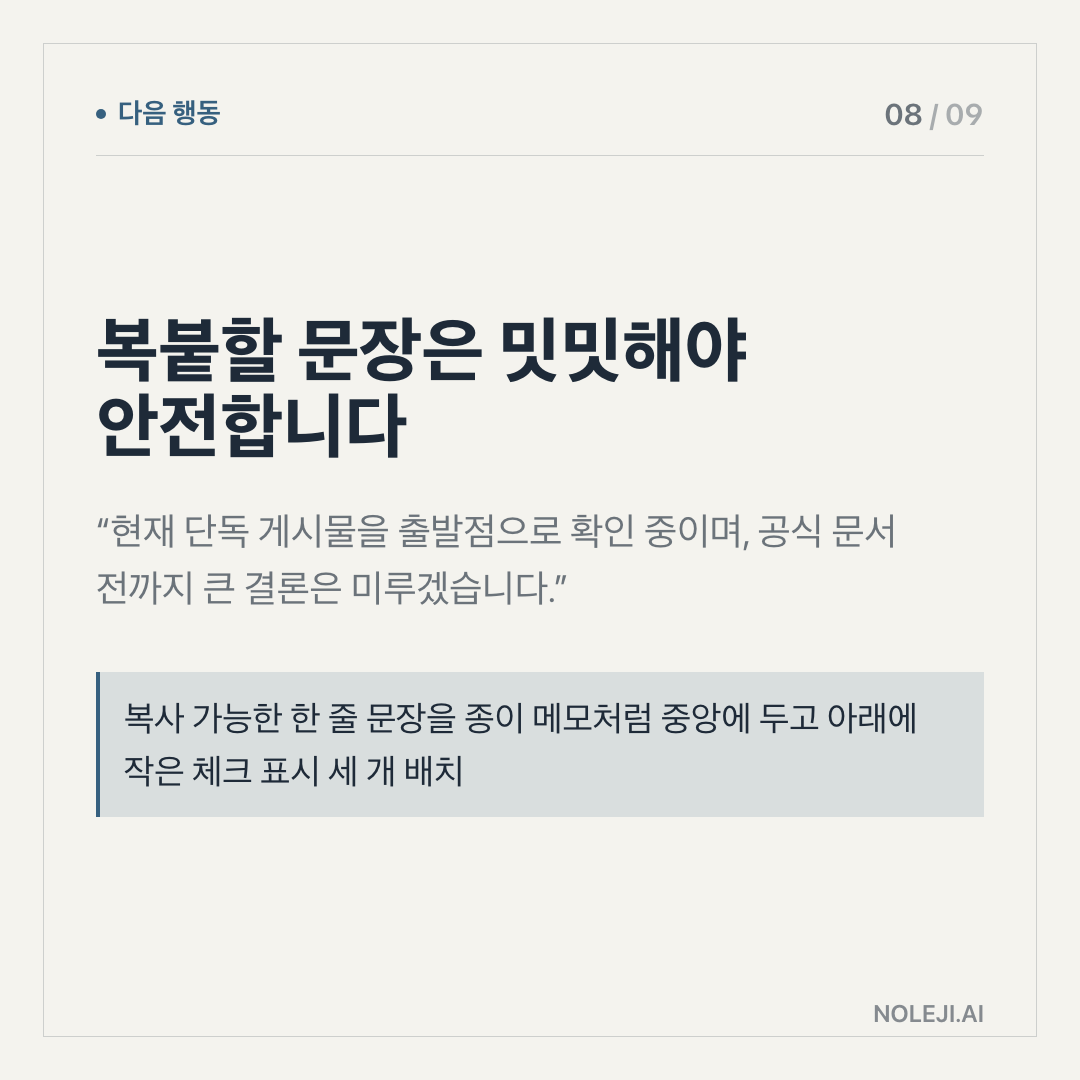
So instead of writing, “This shows where the GOP is going,” I would write, “A Threads post is drawing attention to a GOP-related moment, but the available evidence here is still too narrow to treat it as a settled development.”
That sentence is less exciting. It is also more usable.
When this caution can make you late
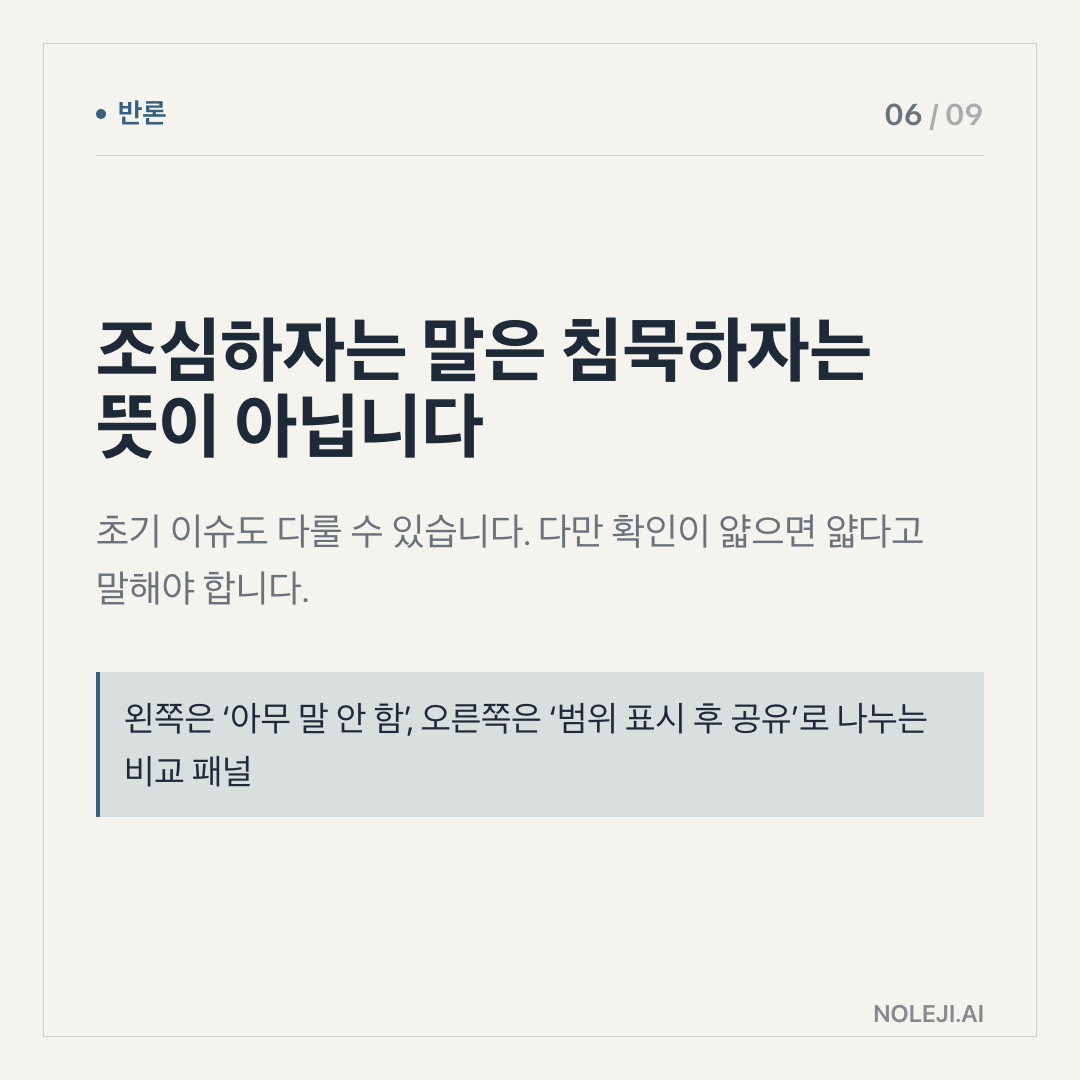
There is a real objection here. Sometimes the first social post is early because the mainstream write-up has not caught up yet.
If you wait for every confirmation, you may miss the first useful window. Activists, journalists, investors, and campaign staff often cannot afford that delay. In those settings, speed has value.
But most readers are not making a newsroom call or placing a market bet from this item. They are trying to understand whether this belongs in the “pay attention” folder or the “watch later” folder.
For that reader, the cost of being one hour late is usually small. The cost of absorbing a shaky conclusion is larger. It shapes how you talk, vote, share, and judge the next piece of evidence.
A line to keep before you share it
Here is the line I would actually keep:
> “I’m treating this as an early signal, not a settled story, until there is a concrete action or a second source.”
That is not neutrality for its own sake. It is a practical filter.
Today’s next step: before sharing the GOP item, run it through the table once and write one sentence separating fact from interpretation.
Next edition, I’ll look at the difference between “a political story is loud” and “a political story has operational consequences.”
Take-aways
- I made the first mistake before I even opened my notes: I felt the urge to file the GOP item as “clear enough.”
- A Threads post was circulating
- For people who do not work inside politics or media all day, the trap is not ignorance
→ 한국어 버전 →